Medic4 Driver
@medic4driverMedic4 Driver
Updates
Info
Personal Information
- First Name Medic4
- Last Name Driver
- Gender Male
Contact Information
- Website https://medicford4rivers.co.uk
Personal Details
-
About Me
At Medic for D4 Drivers, we specialize in providing fast, affordable, and high-quality medical assessments specifically tailored for drivers. Our team of certified medical professionals understands the unique health and regulatory requirements that drivers face, particularly for D4 Medicals needed by HGV, PCV, and taxi drivers. We offer a streamlined process, allowing drivers to book their medicals easily, attend a convenient appointment, and receive their results promptly.
Forum Posts
-
Posted in the topic D4 Medicals: Everything You Need to Know About the Driver Medical Exam in the forum News and AnnouncementsFebruary 24, 2025 3:59 AM EST
Contact Us On: 07845 268 537 or 07455886664
If you're a driver looking to obtain or renew your Group 2 (bus, lorry, or taxi) license in the UK, you've probably heard of the D4 Medicals exam. This is a mandatory health check required by the Driver and Vehicle Licensing Agency (DVLA) to ensure drivers meet the necessary medical standards for road safety.
In this article, we’ll cover everything you need to know about D4 Medicals, including what they involve, who needs them, how to book an appointment, and what to expect during the medical exam.

What Is a D4 Medical?
A London D4 Medical is a medical examination required for drivers applying for or renewing a Group 2 driving license in the UK. Group 2 licenses cover professional drivers of large vehicles such as:
-
Lorries (HGV - Heavy Goods Vehicles)
-
Buses (PCV - Passenger Carrying Vehicles)
-
Taxis and private hire vehicles
The purpose of the D4 Medical is to assess whether a driver is physically and mentally fit to operate large or passenger vehicles safely.
Who Needs a D4 Medical?
You will need to take a D4 Medical exam if you are:
-
Applying for your first Group 2 (HGV/PCV) license
-
Renewing a Group 2 license at age 45 and then every five years until age 65
-
Renewing a Group 2 license annually after age 65
-
A taxi or private hire driver (requirements vary by local councils)
If you have certain medical conditions that could affect your ability to drive, you may also be required to take a D4 Medical even if you are under 45.
What Does a D4 Medical Examination Involve?
A D4 Medical consists of several key health checks carried out by a doctor or an optometrist (for the eyesight test). The medical form (D4) is provided by the DVLA and must be completed by a medical professional.
1. Vision Test
Your eyesight will be tested to ensure you meet the minimum required visual acuity and field of vision standards. If you wear glasses or contact lenses, bring them with you. Some key requirements include:
-
At least 6/7.5 (0.8) vision in the better eye and 6/60 (0.1) in the other
-
A horizontal visual field of at least 160 degrees
If you fail the eyesight test, you may need to visit an optometrist for further assessment.
2. Blood Pressure Check
High blood pressure can increase the risk of heart disease or strokes, which could affect driving ability. If your blood pressure is too high, you may be advised to get it under control before reapplying.
3. Neurological and Mental Health Check
The doctor will check for any neurological disorders such as:
-
Epilepsy
-
Seizures
-
Blackouts
-
Memory issues
-
Other conditions that may impair driving ability
Mental health conditions such as severe depression, schizophrenia, or bipolar disorder are also assessed.
4. Cardiovascular Health
Heart conditions like angina, heart attacks, irregular heartbeat (arrhythmias), or heart failure can affect driving fitness. The doctor may ask about your heart history and medications.
5. Diabetes and Other Conditions
If you have diabetes, you may need to provide additional information on how you manage your condition. Other conditions like sleep apnea, alcohol dependency, and mobility issues are also considered.

How to Book a D4 Medical Appointment
Booking a D4 Medical is straightforward and can be done in several ways:
-
GP Surgery: Some NHS doctors offer this service, but availability may be limited.
-
Private Clinics: Many private medical clinics specialize in D4 Medicals and often provide same-day or weekend appointments.
-
Opticians: Some optometrists offer the eyesight test separately.
When booking, make sure to:
✔ Bring photo ID (passport or driving license)
✔ Carry your D4 Medical form (available on the DVLA website)
✔ Bring any glasses, contact lenses, or hearing aids if needed
✔ List any current medicationsHow Much Does a D4 Medical Cost?
The cost of a D4 Medical varies depending on where you take the test. Prices typically range from:
-
£50 - £150 at private clinics
-
Higher fees at some GP surgeries (especially if they don’t regularly provide this service)
Some employers may cover the cost for drivers working for transport companies.
How Long Does a D4 Medical Take?
The medical exam itself usually lasts 20-30 minutes, but it may take longer if additional assessments are needed. The eyesight test can sometimes be done separately by an optician, adding extra time.
What Happens After the Medical?
Once your D4 Medical form is completed and signed by the doctor, you need to send it to the DVLA along with your license application.
-
If your medical results are clear, your Group 2 license will be issued.
-
If there are any health concerns, the DVLA may request additional medical reports before making a decision.
Processing times vary, but it usually takes 2-4 weeks to receive your new license.
What If I Fail the D4 Medical?
Failing a D4 Medical doesn’t necessarily mean you can’t drive. Depending on the condition:
-
You may need to undergo treatment and reapply.
-
You might be referred for further medical tests.
-
In some cases, restrictions may be placed on your license.
If you’re concerned about passing, it’s best to get a general health check-up before your D4 Medical appointment.
Conclusion
A D4 Medical is a crucial requirement for professional d4 drivers in the UK. Whether you’re a new HGV driver or renewing your license at 45 or older, this exam ensures that you’re fit to drive safely. Booking your medical in advance, being prepared, and maintaining good health can help make the process smooth and stress-free.
If you're planning to take your D4 Medical soon, make sure to check with a certified medical provider and ensure you meet all the necessary health standards.
-
-
Posted in the topic D4 Drivers: Everything You Need to Know About Medical Assessments for Professional Drivers in the forum News and AnnouncementsFebruary 21, 2025 5:13 AM EST
Contact Us On: 07845 268 537 or 07455886664
If you're a professional driver or looking to become one, you've probably heard of "D4 Drivers." This term refers to the medical examination required for individuals applying for or renewing their commercial driving licenses in the UK. The D4 medical assessment ensures that drivers are physically and mentally fit to operate large vehicles such as HGVs (Heavy Goods Vehicles), PCVs (Passenger Carrying Vehicles), and taxis.
This article will cover everything you need to know about D4 drivers, the medical exam process, eligibility criteria, and how to prepare for the test. Whether you're a new driver or renewing your license, this guide will help you navigate the process smoothly.

What Is a D4 Medical Examination?
The D4 medicals examination is a mandatory health check required by the Driver and Vehicle Licensing Agency (DVLA) for individuals applying for or renewing their commercial vehicle driving licenses. This assessment ensures that drivers meet the required health standards to drive safely on the road.
The exam is conducted by a General Practitioner (GP) or a registered medical professional, and it assesses various aspects of a driver's health, including:
-
Vision and eyesight
-
Blood pressure and heart health
-
Neurological conditions
-
Diabetes and other chronic illnesses
-
Mental health and cognitive function
Who Needs a D4 Medical Examination?
A D4 medical examination is required for:
-
HGV (Heavy Goods Vehicle) drivers
-
PCV (Passenger Carrying Vehicle) drivers
-
Taxi and private hire drivers
-
Ambulance drivers
-
Individuals over 45 renewing their commercial driving license
The test is necessary for first-time applicants and those renewing their commercial driving licenses. Drivers over 45 must take the exam every five years, while those over 65 must take it annually.
What Does the D4 Medical Examination Involve?
The D4 medical test consists of two main parts:
1. Vision Test
The medical professional will check your eyesight to ensure you meet the DVLA’s required vision standards. You should bring your glasses or contact lenses if you use them.
-
You must be able to read a number plate from 20 meters away.
-
Your visual acuity should be at least 6/7.5 in one eye and 6/60 in the other with corrective lenses if necessary.
-
If you have any vision impairments like cataracts, you may need further assessment.
2. General Health Assessment
The doctor will assess various health aspects, including:
-
Blood pressure – High blood pressure can affect your ability to drive safely.
-
Diabetes – If you have diabetes, you must show it is well-managed.
-
Heart conditions – The doctor will check for any history of heart disease or conditions that might impair your driving ability.
-
Neurological disorders – Conditions like epilepsy, strokes, or brain injuries will be assessed.
-
Mental health – Any history of anxiety, depression, or other mental health conditions will be reviewed.

How to Prepare for the D4 Medical Exam
Preparing for your D4 medical examination can help ensure a smooth and successful assessment. Here are some tips:
-
Get a Good Night’s Sleep – A well-rested body and mind will help keep your blood pressure stable.
-
Avoid Caffeine and Nicotine Before the Test – These substances can temporarily raise blood pressure.
-
Bring Necessary Documents – Carry your driving license, medical history, and prescription glasses/contact lenses if applicable.
-
Stay Hydrated and Eat a Healthy Meal – This can help stabilize blood sugar and blood pressure levels.
-
Manage Existing Health Conditions – If you have diabetes, high blood pressure, or other chronic conditions, ensure they are well-controlled before the test.
Where to Get a D4 Medical Exam?
You can get a D4 medical examination from:
-
Your GP – Some general practitioners offer the test, but it might be expensive.
-
Specialist Medical Centers – Many clinics specialize in D4 medicals and offer appointments at affordable prices.
-
Private Healthcare Providers – Some private doctors provide quicker appointments with flexible scheduling.
It’s essential to choose a certified medical examiner recognized by the DVLA to ensure your examination is valid.
What Happens After the Medical Examination?
Once you complete the D4 medical exam:
-
The doctor will fill out the D4 Medical Form, which you will need to submit to the DVLA along with your driving license application.
-
If you meet the health requirements, your application will be processed without issues.
-
If the DVLA has concerns about your medical condition, they may request further tests or specialist reports.
-
If you fail the exam, you may be advised on steps to improve your health before reapplying.
Common Reasons for Failing the D4 Medical Exam
Some common reasons drivers fail the medical include:
-
High blood pressure – Uncontrolled hypertension can lead to failure.
-
Poor eyesight – If your vision does not meet the required standard, you may need corrective lenses.
-
Diabetes complications – Poorly managed diabetes can lead to disqualification.
-
Neurological conditions – Conditions like epilepsy can prevent you from passing the exam.
-
Substance abuse history – Alcohol or drug dependency can disqualify you.
If you fail, consult your doctor and work on improving your health before retaking the exam.
Conclusion
A London D4 Medical examination is a crucial requirement for professional drivers, ensuring they are fit to operate large and passenger-carrying vehicles safely. The test covers vision, heart health, mental well-being, and other essential medical factors. By preparing well and managing existing health conditions, you can pass the exam smoothly and continue your career as a commercial driver.
If you're due for a D4 medical test, book your appointment with a certified provider and stay on top of your health to keep your driving career on track.
-
-
Posted in the topic D4 Drivers: Everything You Need to Know About Medical Assessments for Professional Drivers in the forum News and AnnouncementsFebruary 18, 2025 12:49 AM EST
Contact Us On: 07845 268 537 or 07455886664
Driving professionally comes with a great responsibility—not only for the driver’s safety but also for passengers, goods, and other road users. This is why medical assessments play a crucial role in ensuring that drivers are fit for the job. One such assessment is the D4 driver medical examination, which is essential for those applying for or renewing a Group 2 (bus, lorry, and heavy goods vehicle) driving license in the UK.
In this article, we will cover everything you need to know about D4 drivers, including who needs the assessment, what it involves, and how to prepare for it.

What Is a D4 Driver Medical Examination?
A D4 Medicals is a health assessment required by the Driver and Vehicle Licensing Agency (DVLA) to ensure that drivers of larger vehicles meet the necessary medical standards. It is a mandatory check for:
-
HGV (Heavy Goods Vehicle) drivers
-
PCV (Passenger Carrying Vehicle) drivers
-
LGV (Large Goods Vehicle) drivers
-
Taxi and private hire drivers (in some cases)
The purpose of this medical assessment is to ensure that drivers are physically and mentally capable of handling large vehicles safely on the road.
Who Needs a D4 Driver Medical?
The D4 medical examination is required for the following categories of drivers:
1. First-time applicants for Group 2 licenses
If you are applying for an HGV, PCV, or LGV license for the first time, you must complete a D4 medical examination before your license application is processed.
2. Drivers renewing their Group 2 license
Professional drivers need to renew their Group 2 license every 5 years once they turn 45. However, after the age of 65, annual medical assessments are required.
3. Drivers with medical conditions
If a driver has specific medical conditions such as diabetes, epilepsy, heart disease, or vision impairments, they may be required to undergo additional or more frequent D4 medical assessments.
4. Taxi and private hire drivers
Some local councils require taxi and private hire drivers to take a D4 medical exam before they can obtain or renew their license.
What Does the D4 Medical Examination Involve?
The D4 medical exam is a thorough check-up conducted by a qualified doctor, often at a clinic that specializes in driver medicals. The test consists of:
1. Vision Test
-
The doctor will check your eyesight to ensure you meet the DVLA’s vision standards.
-
If you wear glasses or contact lenses, bring them to the test.
-
Your visual acuity (clarity of vision) and peripheral vision will be assessed.
2. General Health Check
-
Blood pressure will be measured to rule out hypertension.
-
Heart health is checked to detect any underlying conditions.
-
A general examination of your physical and mental fitness.
3. Neurological and Mental Health Assessment
-
Checks for neurological disorders like epilepsy or stroke history.
-
Screening for mental health conditions such as severe depression or anxiety that might affect driving ability.
4. Medical History Review
-
The doctor will ask about past and present medical conditions, surgeries, and medications.
-
If you have diabetes, your control of the condition will be assessed.
-
Any history of drug or alcohol abuse will also be evaluated.
How to Prepare for a D4 Driver Medical Exam
To ensure a smooth medical examination, follow these preparation tips:
-
Bring required documents: Carry your photo ID, medical history records, and current medications.
-
Wear your glasses/contact lenses if needed: You’ll need them for the vision test.
-
Avoid caffeine and smoking before the test: These can elevate blood pressure readings.
-
Stay hydrated and get enough rest: Being well-rested helps in getting accurate test results.
How Long Does the D4 Medical Examination Take?
The D4 driver medical exam typically takes 15 to 30 minutes. However, the actual time may vary depending on your medical history and whether additional tests are needed.

What Happens After the D4 Medical Examination?
1. Doctor Completes the D4 Medical Form
-
The doctor will fill out the D4 medical report form, which is then submitted to the DVLA.
-
If you pass the medical, you can proceed with your license application or renewal.
2. If Further Tests Are Needed
-
If any health concerns arise during the medical, you may need additional tests before approval.
-
Conditions such as high blood pressure, poor vision, or diabetes complications may delay the process.
Where Can You Get a D4 Driver Medical Test?
1. Private Medical Clinics
Many private clinics specialize in driver medicals and offer quick appointments at affordable rates.
2. General Practitioners (GPs)
Some people choose to have the exam done by their regular GP, but this can be more expensive and take longer to schedule.
3. Specialist Driver Medical Centers
There are D4 medical centers across the UK that provide fast and efficient services tailored for professional drivers.
How Much Does a D4 Medical Examination Cost?
The cost of a D4 medical exam varies depending on the provider:
-
GP Surgery: £80 - £120
-
Private Clinics: £40 - £70
-
Specialist Driver Medical Centers: £50 - £90
It’s advisable to compare prices and services before booking an appointment.
Common Reasons for Failing a D4 Medical Test
1. Poor Vision
If your eyesight doesn’t meet DVLA standards, you may be required to get corrective lenses.
2. High Blood Pressure
Uncontrolled hypertension can lead to a test failure, so maintaining a healthy lifestyle is important.
3. Diabetes Complications
Drivers with poorly managed diabetes may need further assessment.
4. Neurological Disorders
Conditions such as epilepsy or severe mental health issues can affect passing the medical test.
Final Thoughts
The London D4 Medical is a crucial step in ensuring road safety by assessing the fitness of professional drivers. Whether you’re applying for an HGV, PCV, or LGV license, maintaining good health and being prepared for the test can make the process smoother.
If you’re due for a D4 medical, make sure to schedule your appointment with a certified medical professional and take the necessary steps to ensure a successful assessment.
-
-
Posted in the topic London D4 Medical: Everything You Need to Know About Driver Medicals in the forum News and AnnouncementsFebruary 13, 2025 1:26 AM EST
Contact Us On: 07845 268 537 or 07455886664
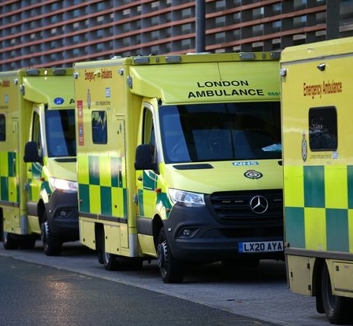
If you're a driver in London needing a D4 medical exam, you might have many questions about what it entails, why it's necessary, and where to get it done. The D4 medical is essential for those applying for or renewing a commercial driving license, including HGV, LGV, and PCV drivers. In this article, we’ll cover everything you need to know about the London D4 medical, ensuring you're fully prepared.
What is a D4 Medical?
The D4 medical is a mandatory medical assessment required by the D4 Drivers and Vehicle Licensing Agency (DVLA) for individuals who drive large vehicles like lorries, buses, and taxis. The examination ensures that a driver meets the medical standards necessary to operate these vehicles safely.
A D4 medical exam is required for:
-
First-time applicants for an HGV (Heavy Goods Vehicle), LGV (Large Goods Vehicle), or PCV (Passenger Carrying Vehicle) license.
-
Renewing a commercial driving license (typically every five years after the age of 45).
-
Drivers aged 65 and above (must undergo the test annually).
Why is a D4 Medical Necessary?
Driving large vehicles requires good health and alertness, as any medical condition affecting a driver can lead to serious accidents. The DVLA mandates the D4 medical to ensure drivers:
-
Have adequate vision and hearing.
-
Do not suffer from conditions like epilepsy, severe heart disease, or neurological disorders.
-
Are fit to drive for long hours without risk of sudden health-related issues.
This examination is not just a formality—it plays a crucial role in ensuring the safety of the driver, passengers, and other road users.
What Does the London D4 Medical Examination Include?
The D4 medical exam consists of the following assessments:
1. Vision Test
Your eyesight is tested to ensure you meet the DVLA's vision standards for commercial driving. This includes:
-
Checking if you can read a number plate from 20 meters.
-
Testing peripheral vision and contrast sensitivity.
-
Assessing whether corrective lenses (glasses or contact lenses) are needed.
2. Blood Pressure Check
High blood pressure can increase the risk of strokes and heart attacks, which are dangerous for drivers. The medical examiner will check:
-
If your blood pressure is within a safe range.
-
Whether medication is required to manage it.
3. Neurological and Cardiac Examination
The doctor will assess for any neurological disorders such as epilepsy, Parkinson’s disease, or multiple sclerosis. Additionally, they check for:
-
Heart diseases like arrhythmia, angina, or previous heart attacks.
-
Any history of strokes or mini-strokes (TIAs).
4. Mental Health and Sleep Disorders
Sleep apnea is a serious condition that can lead to excessive daytime sleepiness, increasing accident risks. The doctor will check for:
-
Symptoms of obstructive sleep apnea.
-
Any history of depression, anxiety, or schizophrenia.
5. Diabetes and Other Chronic Conditions
Drivers with diabetes need to prove they can manage their condition, especially if they take insulin. The doctor will:
-
Assess how well blood sugar levels are controlled.
-
Ensure no severe hypoglycemic (low blood sugar) episodes have occurred.

Where Can You Get a London D4 Medical?
There are several places in London where you can book a D4 medical examination, including:
1. Private Clinics
Many private clinics specialize in driver medical exams and offer:
-
Same-day or next-day appointments.
-
Competitive pricing compared to general GP services.
2. NHS GP Services
While some NHS GPs offer D4 medicals, they often have longer waiting times and may charge higher fees.
3. Mobile Medical Services
Some services offer mobile D4 medical exams, where doctors visit locations across London for convenient medical assessments.
How Much Does a London D4 Medical Cost?
The cost of a D4 medical in London varies depending on where you go.
-
Private clinics: £50 – £100.
-
GP surgeries (if available): £90 – £150.
-
Mobile services: Prices may vary depending on location and provider.
Tip: Always check reviews and compare prices before booking.
How to Prepare for Your D4 Medical Exam
To ensure a smooth D4 medical appointment, follow these steps:
1. Bring the Required Documents
-
Photographic ID (passport or driving license).
-
Any medical records related to long-term conditions.
-
List of current medications (if any).
2. Prepare for the Vision Test
-
If you wear glasses or contact lenses, bring them along.
-
Get your eyes checked in advance if you’re unsure about your vision.
3. Manage Your Blood Pressure
-
Avoid caffeine, smoking, or heavy meals before the exam.
-
Practice deep breathing exercises to stay relaxed.
4. Be Honest About Your Health
Hiding medical conditions may delay your application or lead to legal consequences. Be upfront about any health issues.
What Happens After the D4 Medical?
Once your D4 medical exam is complete:
-
The doctor fills out the D4 medical form.
-
You submit the completed form with your driving license application to the DVLA.
-
The DVLA reviews your medical results and either approves or requests further tests.
Most applications are processed within 3-4 weeks, but delays can occur if further medical checks are needed.
Final Thoughts
A D4 Medicals is a crucial step for commercial drivers, ensuring they meet the health standards required for safe driving. Whether you’re applying for your first HGV, LGV, or PCV license, or renewing an existing one, staying on top of your D4 medical is essential.
By choosing a trusted medical provider, preparing for your exam, and understanding the requirements, you can make the process quick, easy, and stress-free.
-
-
Posted in the topic D4 Medicals: Everything You Need to Know About This Essential Driver Medical Exam in the forum News and AnnouncementsFebruary 6, 2025 12:13 AM EST
Contact Us On: 07845 268 537 or 07455886664
If you're a driver looking to renew or apply for a commercial or HGV (Heavy Goods Vehicle) license, you've probably come across the term D4 Medicals. But what exactly is it, why is it required, and how can you prepare for it?
In this article, we'll break down everything you need to know about D4 Medicals, including what the test involves, who needs it, and how to make the process as smooth as possible.
What is a D4 Medical?
A D4 Medical is a health examination required by the D4 Drivers and Vehicle Licensing Agency (DVLA) for individuals applying for or renewing a Group 2 driving license. This applies to drivers of:
-
Heavy Goods Vehicles (HGV)
-
Public Service Vehicles (PSV)
-
Lorries
-
Buses
-
Coaches
The test ensures that drivers are physically fit to operate large vehicles safely, helping to reduce the risk of accidents caused by medical conditions.
Who Needs a D4 Medical?
You need a D4 Medical Examination if you are:
-
Applying for a new Group 2 license (HGV, PSV, or lorry driver).
-
Renewing an existing Group 2 license (usually required every 5 years for those under 65, and annually for those over 65).
-
Returning to professional driving after a medical condition or prolonged break.
Even if you have years of experience as a professional driver, the DVLA requires periodic medical checks to confirm that you are fit to continue driving safely.
What Does the D4 Medical Examination Involve?
The D4 Medical is performed by a doctor or a medical professional, and it involves the following checks:
1. Vision Test
-
Your eyesight will be tested to ensure you meet the minimum visual acuity standards.
-
If you wear glasses or contact lenses, bring them along for the test.
-
The doctor will check for conditions such as cataracts, glaucoma, or other eye diseases that may impair vision.
2. Blood Pressure Check
-
Your blood pressure will be measured to ensure it is within a safe range.
-
High blood pressure can increase the risk of sudden health issues while driving.
3. Neurological Assessment
-
The doctor will check for conditions like epilepsy, blackouts, or seizures that might impact driving ability.
-
If you have a history of neurological disorders, you may need additional tests.
4. Cardiovascular Examination
-
Your heart health will be assessed to check for signs of heart disease, strokes, or circulation issues.
-
A history of heart attacks or other serious cardiovascular conditions may require further evaluation.
5. Diabetes and General Health
-
If you have diabetes, your doctor will check whether it is well-managed.
-
Other general health factors, such as mobility, coordination, and alertness, will also be examined.

How to Prepare for a D4 Medical Exam
To make sure your D4 Medical goes smoothly, follow these preparation tips:
✅ Book Your Appointment in Advance – Clinics offering D4 Medicals can get busy, so schedule your test early to avoid delays.
✅ Bring Necessary Documents – You will need:
-
A D4 Medical Form (available from the DVLA website).
-
A valid photo ID (passport or driving license).
-
Your medical history details, including medications you take.
✅ Get a Good Night’s Sleep – Rest well the night before to ensure accurate blood pressure readings.
✅ Avoid Caffeine and Nicotine Before the Test – Stimulants can temporarily raise blood pressure, affecting your results.
✅ Drink Water and Eat Healthily – Staying hydrated and having a balanced meal before the test can help with blood pressure readings.
✅ Wear Your Glasses or Contact Lenses – If you need corrective lenses, bring them along for the vision test.
Where Can You Get a D4 Medical?
You can book a D4 Medical Exam at:
-
Private Medical Clinics – Many clinics specialize in D4 Medicals and offer quick appointments.
-
Your GP – Some general practitioners perform the test, but availability can be limited.
-
Occupational Health Clinics – These cater to commercial drivers and fleet operators.
Most private clinics offer affordable, same-day appointments, making them a preferred option for many drivers.
What Happens After the D4 Medical?
After completing the exam:
-
The doctor will complete the D4 Medical form and sign it.
-
You submit the form to the DVLA along with your license application.
-
DVLA reviews your medical fitness and issues or renews your license if everything meets their standards.
Processing times can vary, but submitting your D4 Medical Form early helps avoid delays.
Common Reasons for Failing a D4 Medical
Some medical conditions can lead to a failed D4 Medical, including:
-
Poor eyesight that does not meet the minimum standards.
-
Uncontrolled diabetes leading to blood sugar instability.
-
High blood pressure above safe limits.
-
Neurological disorders such as epilepsy or severe blackouts.
-
Severe heart conditions that pose a risk while driving.
If you fail, you may need additional medical assessments or treatment before reapplying.
Conclusion
A London D4 Medical is an essential requirement for drivers of HGVs, PSVs, and other large vehicles, ensuring they are medically fit for the road. The examination covers vision, blood pressure, heart health, and neurological conditions, helping to keep drivers and other road users safe.
By preparing in advance, booking at a reputable clinic, and maintaining good health, you can pass your D4 Medical smoothly and continue driving professionally without delays.
-