How Long Does a Nebuliser Treatment Session Typically Take?
-
When you’re dealing with asthma, COPD, bronchitis, or other respiratory conditions, breathing comfortably becomes a daily priority. If your doctor has recommended nebuliser therapy, one of the most common questions you might have is: How long does a nebuliser treatment session typically take?
It’s a practical question. Whether you’re planning your morning routine, managing your child’s treatment schedule, or fitting therapy into a busy workday, knowing how much time to set aside makes a real difference.
Let’s break it down in simple, real-world terms.
The Average Time for a Nebuliser Session
In most cases, a nebuliser treatment session lasts between 5 and 15 minutes. For many people, the average time is around 8 to 10 minutes.
That said, treatment time isn’t exactly the same for everyone. Several factors influence how long your session will take, including the type of medication, the device you’re using, and even how you breathe during treatment.
What Affects the Duration of a Nebuliser Treatment?
1. The Type and Amount of Medication
Nebulisers work by converting liquid medication into a fine mist that you inhale into your lungs. The volume of medication placed in the chamber directly impacts treatment time.
-
Smaller doses may finish in about 5–7 minutes.
-
Standard bronchodilator treatments often take 8–10 minutes.
-
Larger doses or combination medications may extend to 15 minutes.
The more liquid in the chamber, the longer it takes to fully nebulise.
2. The Type of Nebuliser Device
Not all nebuliser machines operate at the same speed or efficiency. The three main types include:
-
Jet (compressor) nebulisers
-
Ulasonic nebulisers
-
Mesh nebulisers
Traditional jet nebulisers are reliable but tend to take longer, often closer to 10–15 minutes. Newer mesh models are typically faster and quieter, sometimes completing treatment in under 8 minutes.
If time efficiency is important to you, investing in the Best portable nebuliser with mesh technology can significantly reduce session duration while maintaining effective medication delivery.
3. Your Breathing Pattern
Your breathing style also affects how long the treatment lasts. Nebulisers work best when you:
-
Sit upright
-
Breathe slowly and normally
-
Avoid talking during treatment
Shallow or irregular breathing can make the session feel longer and may reduce medication absorption. Relaxed, steady breathing helps complete the session more efficiently.
4. Device Maintenance
It’s something many people overlook—maintenance matters.
If filters are dirty or tubing is partially blocked, the mist output may slow down, increasing treatment time. Keeping nebuliser machines clean and properly maintained ensures optimal performance and consistent treatment duration.
Why Nebuliser Treatments Take Longer Than Inhalers
You might wonder why a nebuliser takes several minutes when an inhaler works in seconds.
The difference lies in delivery style.
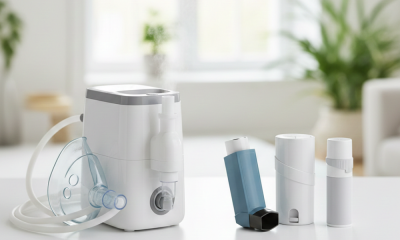
Inhalers provide a quick burst of medication, requiring coordination between pressing the device and inhaling deeply. Nebulisers, on the other hand, deliver medication gradually through a continuous mist. This makes them easier to use, especially for:
-
Young children
-
Elderly patients
-
Individuals during severe breathing episodes
While nebulisers take longer, they offer steady and comfortable medication delivery, which is often more suitable for moderate to severe respiratory conditions.
What Does a Typical Session Look Like?
A standard nebuliser treatment usually follows these steps:
-
Wash your hands.
-
Assemble the nebuliser machine.
-
Add prescribed medication to the medicine cup.
-
Attach the mask or mouthpiece.
-
Sit upright and begin breathing normally.
-
Continue until the mist stops.
-
Disassemble and clean the equipment.
The actual inhalation process typically takes about 8–10 minutes. Setup and cleaning may add another 5–10 minutes, meaning you should plan for approximately 15–20 minutes total.
How Often Are Nebuliser Treatments Required?
Frequency depends entirely on your medical condition and doctor’s advice.
-
Mild asthma: during flare-ups only
-
Moderate asthma: once or twice daily
-
COPD: regularly scheduled sessions
-
Respiratory infections: short-term increased use
If treatments are frequent, using efficient nebuliser machines becomes even more important to avoid disrupting daily life.
Does a Faster Nebuliser Mean Better Treatment?
Not necessarily. Speed is helpful, but effectiveness comes first.
Some of the Best portable nebuliser models are designed to deliver medication more efficiently by producing finer mist particles. This allows quicker sessions without compromising therapeutic benefit.
However, stopping a session too early—before all medication is used—can reduce effectiveness. Always continue until the mist has completely stopped unless your healthcare provider advises otherwise.
Portable Nebulisers: A Modern Solution
Technology has significantly improved nebuliser therapy over the years.
Modern portable nebuliser machines offer:
-
Compact and lightweight design
-
Quiet operation
-
Rechargeable batteries
-
Faster mist production
-
Easy cleaning systems
These devices are especially useful for:
-
School-going children
-
Working professionals
-
Frequent travelers
-
Elderly individuals needing convenience
A high-quality portable device can make respiratory therapy feel less like a medical chore and more like a manageable part of daily life.
Making Treatment Time More Comfortable
Since you’ll be sitting still for several minutes, comfort matters.
Here are a few simple tips:
-
Choose a quiet, relaxed setting
-
Sit in a comfortable chair
-
Watch television or listen to music
-
Avoid lying down unless advised
-
Use a properly fitted mask
For children, reading a short story or playing calming audio can make sessions smoother.
When Treatment Takes Longer Than Expected
If your session regularly exceeds 15–20 minutes, it may indicate:
-
Device malfunction
-
Clogged tubing
-
Incorrect assembly
-
Worsening respiratory condition
If symptoms don’t improve after treatment, or if sessions seem unusually long, consult your healthcare provider.
The Bigger Picture: Time vs. Health
While 10 minutes may feel like a long time when you’re busy, consider what those minutes provide—open airways, reduced inflammation, and easier breathing.
Nebuliser therapy is not just about managing symptoms in the moment. Consistent and complete treatments help prevent complications and hospital visits in the long run.
With advancements in nebuliser machines and access to the Best portable nebuliser options, managing respiratory conditions has become more convenient than ever before.
Final Answer: So, How Long Does It Take?
To summarise:
-
Most nebuliser sessions last 5–15 minutes
-
Average treatment time is around 8–10 minutes
-
Setup and cleaning may add extra time
-
Device type and medication volume affect duration
While nebuliser therapy does require a short time commitment, it delivers reliable and effective respiratory relief. Choosing efficient nebuliser machines and maintaining them properly can ensure each session fits smoothly into your daily schedule.
In the end, a few dedicated minutes of treatment can make a lasting difference in how freely and comfortably you breathe throughout the day.
Source Article - https://nursingability.com/nebulisers-vs-inhalers-which-is-better-for-respiratory-care/
-