Categories
Tags
-
#learning
#fashion
#productivity
#Hip Hop
#Entertainment
#Friendship
#Culture
#spotify
#social media
#Communication
#poetry
#concrete
#freestyle
#streetwear
#memory
#street fashion
#lifestyle
#Economy
#personal growth
#risk
#storytelling
#growth
#music production
#change
#skill
#vinyl records
#Circadian Rhythm
#Performance
#connection
#Authenticity
#creativity
#vulnerability
#Work-life balance
#Accountability
#Psychology
#vintage fashion
#Youth
#Resilience
#creative work
#street food
#grief
#Identity
#pop culture
#local music
#underground artists
#live performance
#community culture
#supporting musicians
#street art
#graffiti culture
#urban art
#city culture
#community
#night owl
#sleep schedule
#neighborhood
#urban culture
#local vibes
#city life
#live performances
#independent artists
#music community
#underground scene
#sneaker culture
#personal observations
#street wisdom
#metropolitan living
#skateboarding
#street culture
#youth culture
#creative expression
#urban lifestyle
#thrift stores
#sustainable shopping
#personal style
#treasure hunting
#late night food
#eating culture
#food community
#urban life
#underground hip hop
#hip hop culture
#hip hop community
#neighborhood life
#city living
#hustle culture
#human connection
#indie music
#music discovery
#streaming culture
#authentic music
#authentic art
#bedroom producers
#alternative artists
#underground sounds
#authentic listening
#record stores
#curation
#freestyle poetry
#spoken word
#raw art
#thrift culture
#vintage style
#secondhand finds
#material history
#minimalism
#consumerism
#nostalgia
#concrete poetry
#urban subculture
#skateboarding culture
#street life
#real progression
#failure
#persistence
#self-expression
#youth identity
#adulthood
#community spaces
#counterculture
#self-discovery
#belonging
#presence
#neighborhoods
#neighborhood culture
#street sociology
#rhythm
#commitment
#concrete culture
#mastery
#loneliness
#growing up
#celebrity culture
#human nature
#pop culture commentary
#fame and identity
#social observation
#self-awareness
#criticism
#consumer culture
#urban exploration
#personal history
#hype culture
#personal reflection
#merit
#collecting
#creative process
#spot culture
#aging
#obsession
#youth rebellion
#family expectations
#generation gap
#gatekeeping
#boarding culture
Archives
The Physics of Falling and Why You Need To Do It More
-
Posted by Dez Fontaine Filed in Sports #Culture #growth #Resilience #skateboarding #failure 25 views
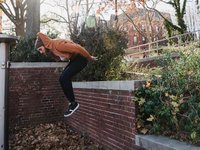
I been thinking about failure wrong my whole life. Like, we treat it as this thing to avoid, this shame you carry around like a bad smell. But skateboarding taught me something different and I can't stop turning it over in my head during the day when I should be doing other stuff.
See, every skater knows the deal. You eat pavement. A lot. And not in some poetic metaphor way either. I'm talking actual concrete, actual blood sometimes, actual bruises that tell stories on your body for weeks. The board comes up and catches you in places you didn't even know could hurt. Your hands are always at least a little messed up. Your knees remember every time you pushed too hard.
But here's what gets me - and this is the real talk nobody wants to hear - that's actually the point. Not the suffering part, I'm not that deep. I mean the fact that skateboarding is literally built on the acceptance that you will fail. Multiple times. Daily. And somehow that acceptance becomes freedom.
I watched some kid yesterday at the park, couldn't have been more than twelve, trying this kickflip. Missing it. Eating it hard. Getting up. Trying again. And his face wasn't all twisted up in frustration or shame. It was just... concentrated. Like he understood that the falling was information, you know? Each time he hit the ground it was data telling him something about his weight distribution or his flick or his timing. The failure wasn't the opposite of success. It was literally the path to success.
That's weird when you think about how we live everywhere else. We build these whole systems designed to minimize failure, hide failure, erase failure. Social media is literally designed to show you the highlight reel, the landed trick, the perfect moment. Schools punish you for wrong answers. Jobs fire you if you miss numbers. Families get weird when you disappoint them. So we spend all this energy pretending we got it figured out, pretending we're crushing it, pretending we didn't fall.
But skateboarding is like this beautiful middle finger to all that. You can't fake a kickflip. You can't Instagram your way into consistency. You can't talk yourself onto a rail. The board doesn't care about your excuses or your narrative or your personal brand. It only cares about whether your body and mind are aligned with the physics of what you're trying to do.
And I think about how that bleeds into other stuff. Like, I'm better at actual conversations with people now. I'm less defensive about criticism at work. I take L's differently because I understand them as calibration instead of catastrophe. When something doesn't work out with a person or a project or whatever, I'm not spiraling into some existential crisis about my worth as a human. I'm just thinking okay what did I learn from that?
The thing is, skateboarding culture still gets this even though we don't always articulate it. That's why the community is different from a lot of other scenes. We're not judging you based on outcomes. We're respecting you based on effort and persistence and willingness to look stupid in pursuit of something that matters to you. The gnarliest skaters aren't the ones who never fall. They're the ones who fell the most and kept getting back up.
Last week I saw this thirty-something dude at the park, clearly been out of it for years, body all stiff, skills all rusty. He was mangled out there, missing simple stuff. And you know what? The whole crew was hyped for him. Because we all recognized that look. That look of choosing to be bad at something again just because you love it.
That's revolutionary in a world that tells you to only do things you're already good at. To curate yourself into palatability. To never let them see you struggle.
So my question for you is this: what have you stopped trying because you got tired of falling? And more importantly, what would it feel like to start again?