Categories
Tags
-
#learning
#fashion
#productivity
#Hip Hop
#Entertainment
#Friendship
#Culture
#spotify
#social media
#Communication
#poetry
#concrete
#freestyle
#streetwear
#memory
#street fashion
#lifestyle
#Economy
#personal growth
#risk
#storytelling
#growth
#music production
#change
#skill
#vinyl records
#Circadian Rhythm
#Performance
#connection
#Authenticity
#creativity
#vulnerability
#Work-life balance
#Accountability
#Psychology
#vintage fashion
#Youth
#Resilience
#creative work
#street food
#grief
#Identity
#pop culture
#local music
#underground artists
#live performance
#community culture
#supporting musicians
#street art
#graffiti culture
#urban art
#city culture
#community
#night owl
#sleep schedule
#neighborhood
#urban culture
#local vibes
#city life
#live performances
#independent artists
#music community
#underground scene
#sneaker culture
#personal observations
#street wisdom
#metropolitan living
#skateboarding
#street culture
#youth culture
#creative expression
#urban lifestyle
#thrift stores
#sustainable shopping
#personal style
#treasure hunting
#late night food
#eating culture
#food community
#urban life
#underground hip hop
#hip hop culture
#hip hop community
#neighborhood life
#city living
#hustle culture
#human connection
#indie music
#music discovery
#streaming culture
#authentic music
#authentic art
#bedroom producers
#alternative artists
#underground sounds
#authentic listening
#record stores
#curation
#freestyle poetry
#spoken word
#raw art
#thrift culture
#vintage style
#secondhand finds
#material history
#minimalism
#consumerism
#nostalgia
#concrete poetry
#urban subculture
#skateboarding culture
#street life
#real progression
#failure
#persistence
#self-expression
#youth identity
#adulthood
#community spaces
#counterculture
#self-discovery
#belonging
#presence
#neighborhoods
#neighborhood culture
#street sociology
#rhythm
#commitment
#concrete culture
#mastery
#loneliness
#growing up
#celebrity culture
#human nature
#pop culture commentary
#fame and identity
#social observation
#self-awareness
#criticism
#consumer culture
#urban exploration
#personal history
#hype culture
#personal reflection
#merit
#collecting
#creative process
#spot culture
#aging
#obsession
#youth rebellion
#family expectations
#generation gap
#gatekeeping
#boarding culture
Archives
Why Skateboarding Teaches You Economics Better Than Any Business School Ever Could
-
Posted by Dez Fontaine Filed in Personal #learning #Culture #Economy #community #skateboarding 64 views
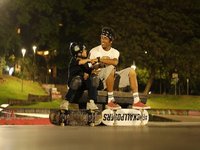
I dropped out of my economics class junior year because the professor kept talking about supply and demand like it was some abstract concept that lived in a textbook. Then I spent three hours at the skate park watching how a single good board gets passed around like it's made of gold, and suddenly I understood everything that dude was trying to teach me.
See, skateboarding culture operates on this wild economy that nobody really talks about. It's not about money flowing up to some corporation. It's about value being created and destroyed in real time based on what actually matters to the people doing the skating. When you got a crew at the park, you're watching pure market forces happen without anyone announcing it like it's some big economic theory.
I got this friend Marcus who's been riding the same deck for like two years. Board's beat to hell, grip tape's basically gone, but he won't let it go. Meanwhile there's these kids with brand new setups they just got for Christmas sitting in their garage untouched. Marcus's board has demand because it's got history. It's got stories. That's value that doesn't show up on a price tag but it's real as anything. The kids with the new boards? Their gear's technically more advanced but it don't mean nothing because there's no scarcity. There's no hunt. There's no earned.
This is where it gets interesting though. The whole DIY spot economy that exists in skating is like watching underground economies function in real time. You got dudes who know every ledge, every gap, every makeshift quarter pipe that some crew built in an abandoned lot. That knowledge is currency. That knowledge gets you respect, gets you in certain circles, gets you clips that matter. You can't just buy your way into that. You gotta know. You gotta put in hours.
Then there's the whole gear market within the culture itself. Thrift store finds, vintage decks, old school grip tape that's actually better than new stuff. There's literally an inverse economy happening where older sometimes means more valuable. The big brands will never admit it but they're chasing what the skate community decides matters. We're not consumers following trends. We're literally creating the trends by deciding what's worth keeping alive.
I watched this girl trade her barely-used pro model board for someone's hand-me-down because the hand-me-down had come from a legend in the scene. She made what a business school guy would call a terrible trade. She'd lose money if she tried to resell it. But she gained something way more valuable which is actual connection to something that mattered. That's economics that you can't graph. That's real.
The parks themselves are proof of this too. A city can spend hundreds of thousands on some professionally built skate facility with perfect concrete and safety features, but if it don't have soul, if it ain't built where the community actually needs it, it's dead. Meanwhile some crew can take a spot that nobody else wanted and turn it into the most valuable real estate in the entire city just by showing up, just by creating something that matters. That's how you understand value creation without needing a MBA.
What really gets me is that skateboarding economics taught me that the healthiest markets are the ones where people actually care about what they're trading, what they're building, what they're preserving. It's not detached. It's not theoretical. When you're at the park watching people help each other land tricks, watching the progression of a young skater, watching crews protect their spots from getting demolished, you're seeing people who understand that some things matter more than profit.
So yeah, I never finished that economics class. But I got my degree in understanding human nature and value and labor and community investment just by showing up and paying attention to what skateboarding actually does. The concrete teaches better than the classroom ever will.
What's something you learned from your community that school never could have taught you?