Categories
Tags
-
#energy
#strategy
#fitness
#Travel
#adventure
#swimming
#skills
#training
#sports
#Health
#Sleep
#Challenge
#Friendship
#Motivation
#Volleyball
#recovery
#Nutrition
#hiking
#basketball
#supplements
#personal growth
#protein
#gym
#hydration
#mental health
#wellness
#camping
#shooting
#prediction
#strength training
#digestion
#Mountain Biking
#Travel adventures
#gut health
#Sports Community
#Cycling
#Personal Training
#Surfing
#World Travel
#Daily nutrition
#equipment
#Esports
#competition
#Performance
#Sports performance
#walking
#Outdoor Sports
#running
#Fitness Goals
#Sports Nutrition
#technique
#Water Sports
#Fitness Journey
#outdoor adventure
#gaming community
#Outdoor Recreation
#humility
#fear
#Outdoor Adventures
#mindfulness
#Adventure Travel
#mentality
#Mountain exploration
#Micronutrients
#performance optimization
#ocean
#Confidence
#group travel
#Resilience
#mindset
#Healthy Eating
#Road Trips
#team sports
#camaraderie
#competitive gaming
#mental toughness
#gaming tournaments
#athlete mindset
#rock climbing
#personal challenge
#fitness mindset
#exploration
#athletic performance
#rest
#gym workouts
#fitness motivation
#personal transformation
#exercise consistency
#extreme sports
#adrenaline
#limits
#thrill-seeking
#outdoor exploration
#bucket list
#thrill seeking
#mountain climbing
#sports tips
#fitness fuel
#training diet
#sports science
#athletic recovery
#rest and recovery
#marathon training
#endurance sports
#competitive spirit
#athletic growth
#adventure sports
#fitness challenges
#community
#wilderness
#endurance
#trail
#pushing limits
#living fully
#teamwork
#dedication
#mental performance
#level up
#fitness training
#discipline
#gym training
#ocean adventure
#wave riding
#training recovery
#ocean training
#solo training
#group rides
#bike setup
#road cycling
#bike commuting
#urban riding
#daily training
#gravel cycling
#adventure bikes
#off-road riding
#cycling exploration
#climbing
#cycling training
#training philosophy
#fitness transformation
#endurance training
#winter cycling
#cold weather training
#bike fitness
#nervous system
#open water
#athletic challenge
#cross-training
#courage
#night training
#fitness breakthrough
#wipeouts
#dawn patrol
#early morning training
#ocean fitness
#ball handling
#midrange game
#fundamentals
#skill development
#shooting technique
#footwork
#defense
#competitive training
#cultural connection
#self-discovery
#messengers
#urban biking
#overcoming obstacles
#cycling technique
#cadence training
#endurance fitness
#pedal efficiency
#injury prevention
#leg strength
#muscle development
#performance gains
#fitness science
#commute
#distance training
#lateral movement
#pool training
#athletic development
#cold water swimming
#open water training
#swimming challenges
#sprint swimming
#athletic adaptation
#high intensity intervals
#flip turns
#athletic training
#pool workouts
#solo swimming
#athletic motivation
#water fitness
#solo travel
#distance running
#nutrition strategy
#race fueling
#race preparation
#pace groups
#race strategy
#running community
#base building
#aerobic fitness
#running foundation
#running strategy
#compound lifts
#gym motivation
#consistency over intensity
#strength building
#personal discipline
#gym fitness strength training adaptation progressi
#fitness metrics
#progressive overload
#fitness fundamentals
#form and technique
#muscle gain
#gym routine
#fitness strategy
#training strategy
#rest days
#inflammation management
#fitness optimization
#training balance
#active recovery
#burnout prevention
#training methodology
#body adaptation
#training adaptation
#body awareness
#ocean sports
#adaptation
#progression
#cold water
#travel adventure
#getting lost
#altitude
#authentic experiences
#risk taking
#border crossing
#travel mindset
#transformative travel
#competitive athletics
#group competition
#pre-workout fuel
#body performance
#carbohydrate timing
#post-workout recovery
#fitness recovery
#electrolytes
#training optimization
#lineup mentality
#surfing skills
#surfing progression
#double sessions
#wave strategy
#fitness gains
#real food
#endurance fuel
#workout performance
#glycogen
#fuel strategy
#fitness habits
#mineral deficiency
#whole foods
#nutrition basics
#food quality
#performance fuel
#health optimization
#fueling
#body composition
#carbs
#athlete performance
#training fuel
#hydration strategy
#competitive edge
#carb cycling
#training fueling
#endurance racing
#psychological preparation
#endurance running
#distance racing
#running fitness
#recovery cycles
#backcountry camping
#hiking adventures
#mountain travel
#wilderness challenge
#backcountry
#camping strategy
#hiking tips
#outdoor gear
#basecamp
#wilderness adventure
#solo hiking
#backcountry adventure
#trail fitness
#gear obsession
Archives
CAMP LIKE YOU'RE NEVER COMING BACK: WHY BASE CAMP STRATEGY BEATS ULTRALIGHT OBSESSION
-
Posted by Jake Rivera Filed in Sports #camping strategy #hiking tips #outdoor gear #basecamp #wilderness adventure 15 views
I spent three years chasing the lightest pack possible. Every ounce counted. I'd shave grams off my tent, ditch my sleeping pad for a thin foam sheet, and eat freeze-dried meals that tasted like cardboard mixed with regret. Then I hit a wall on a solo trip through the Cascades that changed everything.
I was so focused on minimizing weight that I'd minimized my actual experience. My tiny camp setup meant I was miserable after sunset. No proper shelter from wind. No real comfort. I'd lie there in the dark, cold and hungry, thinking about how I'd "optimized" myself right out of enjoying the journey.
That's when I realized the real competition isn't against your gear weight. It's against the elements, against your own mental toughness, and against the tendency to quit when things get uncomfortable. Base camp strategy flips the script entirely.
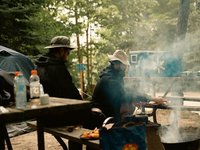
Instead of racing to ultralight, I started thinking like I was setting up a functional home in the wilderness. Better insulation in my sleeping bag. A quality tent that actually handles wind and rain. A camp stove that boils water reliably, not one that sputters in cold weather. Real food that fuels my body properly for the next day's push. Yes, my pack weighs more. But here's what changed: I actually want to be out there.
When your base camp is solid, your mind settles. You're not white-knuckling through the night worried about your gear failing. You're sleeping eight hours instead of five. You're waking up energized, not depleted. And energy on the trail? That's everything. That's the difference between crushing your next summit attempt and turning back early.
I've watched lightweight obsessives burn out on multi-day trips. They're so focused on the numbers that they forget why they're out there. Meanwhile, climbers with heavier packs are casually making bigger mileage because they're properly rested and fed. The math doesn't work the way gear companies want you to think.
The competitive advantage I found wasn't in my baseweight. It was in my willingness to prioritize function over specs. My doubled-wall tent is heavier, but I sleep through storms instead of listening to them. My sleeping bag cost more, but I'm warm at altitude instead of shivering. My food pack is bulkier, but I'm fueling for performance, not just survival.
This doesn't mean go full luxury camping. I'm not saying bring a cot and a portable speaker. It means being strategic about which grams matter and which don't. Cut weight on things that don't impact your experience. Invest in comfort systems that keep you healthy and sharp for the actual adventure.
Your base camp is where you recover. It's where you prepare for tomorrow. It's where you remember why you drove hours to sleep on the ground in the first place. Treat it like the mission-critical operation it actually is.
Stop obsessing over the numbers on your scale. Start obsessing over whether you'll actually want to be out there long enough to summit, to explore, to push deeper into the wilderness. That's the real competition. That's where the breakthrough lives.
What's one piece of "heavy" gear you've avoided bringing that might actually make your next trip better?