Categories
Tags
-
#energy
#strategy
#fitness
#Travel
#adventure
#swimming
#skills
#training
#sports
#Health
#Sleep
#Challenge
#Friendship
#Motivation
#Volleyball
#recovery
#Nutrition
#hiking
#basketball
#supplements
#personal growth
#protein
#gym
#hydration
#mental health
#wellness
#camping
#shooting
#prediction
#strength training
#digestion
#Mountain Biking
#Travel adventures
#gut health
#Sports Community
#Cycling
#Personal Training
#Surfing
#World Travel
#Daily nutrition
#equipment
#Esports
#competition
#Performance
#Sports performance
#walking
#Outdoor Sports
#running
#Fitness Goals
#Sports Nutrition
#technique
#Water Sports
#Fitness Journey
#outdoor adventure
#gaming community
#Outdoor Recreation
#humility
#fear
#Outdoor Adventures
#mindfulness
#Adventure Travel
#mentality
#Mountain exploration
#Micronutrients
#performance optimization
#ocean
#Confidence
#group travel
#Resilience
#mindset
#Healthy Eating
#Road Trips
#team sports
#camaraderie
#competitive gaming
#mental toughness
#gaming tournaments
#athlete mindset
#rock climbing
#personal challenge
#fitness mindset
#exploration
#athletic performance
#rest
#gym workouts
#fitness motivation
#personal transformation
#exercise consistency
#extreme sports
#adrenaline
#limits
#thrill-seeking
#outdoor exploration
#bucket list
#thrill seeking
#mountain climbing
#sports tips
#fitness fuel
#training diet
#sports science
#athletic recovery
#rest and recovery
#marathon training
#endurance sports
#competitive spirit
#athletic growth
#adventure sports
#fitness challenges
#community
#wilderness
#endurance
#trail
#pushing limits
#living fully
#teamwork
#dedication
#mental performance
#level up
#fitness training
#discipline
#gym training
#ocean adventure
#wave riding
#training recovery
#ocean training
#solo training
#group rides
#bike setup
#road cycling
#bike commuting
#urban riding
#daily training
#gravel cycling
#adventure bikes
#off-road riding
#cycling exploration
#climbing
#cycling training
#training philosophy
#fitness transformation
#endurance training
#winter cycling
#cold weather training
#bike fitness
#nervous system
#open water
#athletic challenge
#cross-training
#courage
#night training
#fitness breakthrough
#wipeouts
#dawn patrol
#early morning training
#ocean fitness
#ball handling
#midrange game
#fundamentals
#skill development
#shooting technique
#footwork
#defense
#competitive training
#cultural connection
#self-discovery
#messengers
#urban biking
#overcoming obstacles
#cycling technique
#cadence training
#endurance fitness
#pedal efficiency
#injury prevention
#leg strength
#muscle development
#performance gains
#fitness science
#commute
#distance training
#lateral movement
#pool training
#athletic development
#cold water swimming
#open water training
#swimming challenges
#sprint swimming
#athletic adaptation
#high intensity intervals
#flip turns
#athletic training
#pool workouts
#solo swimming
#athletic motivation
#water fitness
#solo travel
#distance running
#nutrition strategy
#race fueling
#race preparation
#pace groups
#race strategy
#running community
#base building
#aerobic fitness
#running foundation
#running strategy
#compound lifts
#gym motivation
#consistency over intensity
#strength building
#personal discipline
#gym fitness strength training adaptation progressi
#fitness metrics
#progressive overload
#fitness fundamentals
#form and technique
#muscle gain
#gym routine
#fitness strategy
#training strategy
#rest days
#inflammation management
#fitness optimization
#training balance
#active recovery
#burnout prevention
#training methodology
#body adaptation
#training adaptation
#body awareness
#ocean sports
#adaptation
#progression
#cold water
#travel adventure
#getting lost
#altitude
#authentic experiences
#risk taking
#border crossing
#travel mindset
#transformative travel
#competitive athletics
#group competition
#pre-workout fuel
#body performance
#carbohydrate timing
#post-workout recovery
#fitness recovery
#electrolytes
#training optimization
#lineup mentality
#surfing skills
#surfing progression
#double sessions
#wave strategy
#fitness gains
#real food
#endurance fuel
#workout performance
#glycogen
#fuel strategy
#fitness habits
#mineral deficiency
#whole foods
#nutrition basics
#food quality
#performance fuel
#health optimization
#fueling
#body composition
#carbs
#athlete performance
#training fuel
#hydration strategy
#competitive edge
#carb cycling
#training fueling
#endurance racing
#psychological preparation
#endurance running
#distance racing
#running fitness
#recovery cycles
#backcountry camping
#hiking adventures
#mountain travel
#wilderness challenge
#backcountry
#camping strategy
#hiking tips
#outdoor gear
#basecamp
#wilderness adventure
#solo hiking
#backcountry adventure
#trail fitness
#gear obsession
#trail running
#night hiking
#trail training
#outdoor skills
Archives
SURFING IN COLD WATER: WHY LEAVING YOUR COMFORT ZONE STARTS AT THE BEACH
-
Posted by Jake Rivera Filed in Sports #personal growth #Surfing #mental toughness #pushing limits #cold water 37 views
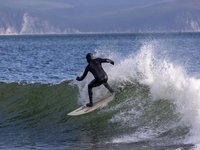
I'll be straight with you: my first session in cold water nearly broke me. Not physically. Mentally. I showed up to this break in Northern California in October thinking my summer experience would carry me through. I was dead wrong. The moment I touched that 58-degree water, my entire body seized. My breath wouldn't come. My fingers went numb. I paddled out anyway because I'm stubborn, caught one wave, and got worked so hard I questioned every life decision that led me to that freezing lineup.
But here's the thing nobody tells you about cold water surfing: it's not about the water temperature. It's about what happens when you strip away every excuse and face what you're actually made of.
After that first brutal session, I made a choice. Instead of retreating to familiar warm-water breaks, I invested in proper gear and committed to the cold. What I discovered changed how I approach everything in my life. Cold water surfing teaches you that comfort is a liability, not a right.
The ocean doesn't negotiate. You can't talk your way through frigid water. You can't psych yourself into warmth. You either show up prepared and execute, or you suffer consequences immediately. There's no middle ground. This forces a level of respect and attention that summer surfing simply doesn't demand. Every decision matters. Your paddle technique matters because you need to conserve energy. Your breath control matters because panic is a real threat. Your mental toughness matters because quitting is always an option.
What blew my mind was how this transferred to everything else. When you train your mind in cold water to stay calm, focused, and committed despite intense discomfort, you develop this unshakeable foundation. Crushing it at the gym gets easier. Running through a hard interval becomes manageable. Work stress feels smaller. You've already proven to yourself that you can function at a high level while being deeply uncomfortable.
The other revelation came from understanding my own limits in a real way. Cold water doesn't care about your ego. I learned quickly that I wasn't the aggressive charger I thought I was. I learned my actual fitness level versus my perceived fitness level. I learned that paddling out in 55-degree water requires a completely different approach than 75-degree summer sessions. That humility became powerful. Instead of fighting the conditions, I adapted. Instead of forcing my old playbook, I developed new skills specific to the challenge.
I also discovered an unexpected community. Cold water lineups are smaller. The people who show up are serious. They're not there for the Instagram moment or the casual vibe. We look out for each other because we understand the stakes. We share tips on wetsuits, on paddling strategies, on how to recognize the early signs of hypothermia in yourself and others. There's a respect that runs deeper than warm-water breaks. You're bonded by shared adversity.
The physical gains came too, but differently than I expected. Cold water forces your cardiovascular system to work harder. Recovery becomes non-negotiable because your body demands it. Your metabolism shifts. Your immune system strengthens from the repeated exposure. After six months of consistent cold water sessions, my fitness improved in ways that pure warm-water surfing never triggered. It's not just the activity. It's the stimulus and the adaptation cycle.
What I'm really saying is this: if you're chasing growth in any area of your life, you need to find your cold water. You need to identify what genuinely scares you, what pushes you to the edge of your capability, and you need to commit to it repeatedly. Not occasionally. Not when conditions are perfect. Consistently.
Cold water surfing taught me that growth lives in discomfort. It lives in the space between what you can do and what you think you can do. It lives in showing up when quitting is easy.
Are you still surfing the same warm, predictable waves in whatever domain of your life you're trying to dominate? What's your cold water waiting for you?