Categories
Tags
-
#energy
#strategy
#fitness
#Travel
#adventure
#swimming
#skills
#training
#sports
#Health
#Sleep
#Challenge
#Friendship
#Motivation
#Volleyball
#recovery
#Nutrition
#hiking
#basketball
#supplements
#personal growth
#protein
#gym
#hydration
#mental health
#wellness
#camping
#shooting
#prediction
#strength training
#digestion
#Mountain Biking
#Travel adventures
#gut health
#Sports Community
#Cycling
#Personal Training
#Surfing
#World Travel
#Daily nutrition
#equipment
#Esports
#competition
#Performance
#Sports performance
#walking
#Outdoor Sports
#running
#Fitness Goals
#Sports Nutrition
#technique
#Water Sports
#Fitness Journey
#outdoor adventure
#gaming community
#Outdoor Recreation
#humility
#fear
#Outdoor Adventures
#mindfulness
#Adventure Travel
#mentality
#Mountain exploration
#Micronutrients
#performance optimization
#ocean
#Confidence
#group travel
#Resilience
#mindset
#Healthy Eating
#Road Trips
#team sports
#camaraderie
#competitive gaming
#mental toughness
#gaming tournaments
#athlete mindset
#rock climbing
#personal challenge
#fitness mindset
#exploration
#athletic performance
#rest
#gym workouts
#fitness motivation
#personal transformation
#exercise consistency
#extreme sports
#adrenaline
#limits
#thrill-seeking
#outdoor exploration
#bucket list
#thrill seeking
#mountain climbing
#sports tips
#fitness fuel
#training diet
#sports science
#athletic recovery
#rest and recovery
#marathon training
#endurance sports
#competitive spirit
#athletic growth
#adventure sports
#fitness challenges
#community
#wilderness
#endurance
#trail
#pushing limits
#living fully
#teamwork
#dedication
#mental performance
#level up
#fitness training
#discipline
#gym training
#ocean adventure
#wave riding
#training recovery
#ocean training
#solo training
#group rides
#bike setup
#road cycling
#bike commuting
#urban riding
#daily training
#gravel cycling
#adventure bikes
#off-road riding
#cycling exploration
#climbing
#cycling training
#training philosophy
#fitness transformation
#endurance training
#winter cycling
#cold weather training
#bike fitness
#nervous system
#open water
#athletic challenge
#cross-training
#courage
#night training
#fitness breakthrough
#wipeouts
#dawn patrol
#early morning training
#ocean fitness
#ball handling
#midrange game
#fundamentals
#skill development
#shooting technique
#footwork
#defense
#competitive training
#cultural connection
#self-discovery
#messengers
#urban biking
#overcoming obstacles
#cycling technique
#cadence training
#endurance fitness
#pedal efficiency
#injury prevention
#leg strength
#muscle development
#performance gains
#fitness science
#commute
#distance training
#lateral movement
#pool training
#athletic development
#cold water swimming
#open water training
#swimming challenges
#sprint swimming
#athletic adaptation
#high intensity intervals
#flip turns
#athletic training
#pool workouts
#solo swimming
#athletic motivation
#water fitness
#solo travel
#distance running
#nutrition strategy
#race fueling
#race preparation
#pace groups
#race strategy
#running community
#base building
#aerobic fitness
#running foundation
#running strategy
#compound lifts
#gym motivation
#consistency over intensity
#strength building
#personal discipline
#gym fitness strength training adaptation progressi
#fitness metrics
#progressive overload
#fitness fundamentals
#form and technique
#muscle gain
#gym routine
#fitness strategy
#training strategy
#rest days
#inflammation management
#fitness optimization
#training balance
#active recovery
#burnout prevention
#training methodology
#body adaptation
#training adaptation
#body awareness
#ocean sports
#adaptation
#progression
#cold water
#travel adventure
#getting lost
#altitude
#authentic experiences
#risk taking
#border crossing
#travel mindset
#transformative travel
#competitive athletics
#group competition
#pre-workout fuel
#body performance
#carbohydrate timing
#post-workout recovery
#fitness recovery
#electrolytes
#training optimization
#lineup mentality
#surfing skills
#surfing progression
#double sessions
#wave strategy
#fitness gains
#real food
#endurance fuel
#workout performance
#glycogen
#fuel strategy
#fitness habits
#mineral deficiency
#whole foods
#nutrition basics
#food quality
#performance fuel
#health optimization
#fueling
#body composition
#carbs
#athlete performance
#training fuel
#hydration strategy
#competitive edge
#carb cycling
#training fueling
#endurance racing
#psychological preparation
#endurance running
#distance racing
#running fitness
#recovery cycles
#backcountry camping
#hiking adventures
#mountain travel
#wilderness challenge
#backcountry
#camping strategy
#hiking tips
#outdoor gear
#basecamp
#wilderness adventure
#solo hiking
#backcountry adventure
#trail fitness
#gear obsession
#trail running
#night hiking
#trail training
#outdoor skills
Archives
SURFING SOLO VS THE CREW: WHY PADDLING OUT ALONE REVEALS THE SURFER YOU'RE ACTUALLY BECOMING
-
Posted by Jake Rivera Filed in Sports #Surfing #ocean #mental toughness #solo training #progression 69 views
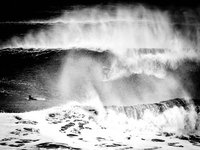
I used to think surfing was better with friends. You show up at dawn, load the boards, make jokes about the conditions, paddle out as a pack, and celebrate the good rides together. There's something electric about that energy. But here's what I discovered after a year of intentionally surfing alone: you don't actually know yourself as a surfer until the ocean strips away the social dynamic and leaves you one-on-one with the water.
When you're solo, everything changes. There's nobody to impress, nobody to compare your wave count to, and nobody catching fish while you're sitting in the impact zone getting worked. You can't blame a bad session on bad company or bad luck. It's just you, your board, and your actual skill level staring back at you in every wipeout. That's brutal. That's also transformative.
Last month I paddled out alone on a smaller day when most of the crew was sleeping in. The conditions weren't firing. Maybe three-foot waves at best. Normally I'd skip it and wait for the swell forecast to light up. But solo, I was forced to be present with whatever the ocean was offering. I spent two hours working on my pop-up timing, experimenting with my line selection on smaller faces, and actually feeling my body position instead of just going through the motions. I caught maybe twelve waves that day, and I genuinely learned more than I had in weeks of bigger sessions surrounded by other surfers.
Here's what solo surfing teaches you that crew sessions never will: your standards are completely different when nobody's watching. You start riding waves that seem too small, too ugly, or too technical. You stop hunting for Instagram angles and actually focus on the craft. You discover that consistency matters more than occasional magic. You realize the surfer you're becoming is built on thousands of quiet moments, not highlight-reel waves.
Don't get me wrong. I still love paddling out with my crew. That social element is real and valuable. But if you're serious about progression, you need solo time. You need to feel the fear of the ocean when there's nobody there to help you, to notice when you're making excuses instead of adjusting, to understand that your progression is your responsibility alone.
The best surfers I know spend significant time in the water solo. They use those sessions to diagnose problems, experiment with technique, and build actual confidence instead of borrowed confidence from good days with good company. When they paddle out with others, they're already solid. They've already done the work.
Start small if solo surfing feels intimidating. Pick a protected break you know well. Go at a time when other surfers are around if it makes you more comfortable. But commit to at least one solo session per week. You'll surprise yourself with what you discover about your ability and your mindset. More importantly, you'll understand what kind of surfer you're actually building.
How many solo sessions have you had in the past month? Real talk.