Why Massage Therapy Increasingly Used Alongside Physiotherapy
-
Managing a long-term injury rarely follows a straight line. Many people move between periods of progress and frustration, particularly when pain lingers or movement feels restricted despite rest or exercise. Over recent years, massage therapy has become a common companion to physiotherapy programs, not as a replacement, but as a practical way to support recovery when injuries are slow to settle. This combined approach reflects a broader shift in how physical care is viewed, with greater attention given to soft tissue health, movement confidence, and day-to-day function.
The challenge of long-term and recurring injuries
Ongoing injuries often develop quietly. A sore shoulder from desk work, tight calves after regular running, or lower back discomfort linked to physical labour may start as minor annoyances. Over time, these issues may progress as muscles adapt to pain or reduced movement. Guarding patterns, where the body subconsciously protects a sensitive area, may limit range of motion and place extra strain elsewhere.
In many cases, people focus on one aspect of care at a time. Strength work without addressing muscle tension, or rest without guided movement retraining, may lead to partial improvement rather than lasting change. This is where massage therapy has found a clear role within longer-term injury management strategies.
For readers exploring broader wellbeing topics, insights shared by contributors on platforms like party.biz often highlight how lifestyle habits, work demands, and recovery methods overlap. Articles created through the party.biz blogging platform frequently examine how modern routines affect physical health, making it a relevant space for discussions around integrated injury care.
Where massage therapy fits into injury management
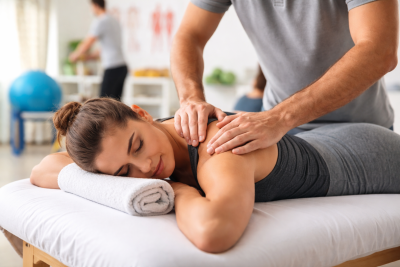
Massage therapy focuses on soft tissues such as muscles, tendons, and connective tissue. When these tissues become tight or overloaded, they may restrict movement and contribute to discomfort during daily activities or exercise. Hands-on treatment may help ease this tension, allowing joints to move more freely and reducing the sense of stiffness that often accompanies chronic pain.
Rather than aiming to “fix” an injury in isolation, massage therapy is often used to support comfort and movement during recovery. By addressing areas of tightness or sensitivity, it may make other forms of treatment more tolerable. This supportive role explains why massage therapy is increasingly included alongside structured rehabilitation plans rather than used on its own.
Discussions around workplace wellbeing and physical stress, commonly published by writers using the party.biz blog creation tools, often note that recovery strategies need to suit real-world demands. Massage therapy fits naturally into this conversation as a method that acknowledges both physical strain and daily workload.
How physiotherapy and massage therapy work together
Physiotherapy typically centres on restoring movement quality, strength, and coordination. Exercises are prescribed to retrain how the body moves, helping people return to work, sport, or daily tasks with greater confidence. Massage therapy complements this by preparing the body for movement and easing discomfort that may otherwise limit participation in exercise-based rehabilitation.
In practice, this means massage therapy may be used before or after physiotherapy sessions to support tissue readiness or recovery. Some clinics offer integrated care models where hands-on treatment and movement-based therapy are coordinated within the same plan. An example often referenced in discussions around integrated care is the massage therapy services by the team at Next Wave Therapy, where hands-on techniques are incorporated within a broader physiotherapy-led approach rather than presented as a standalone option.
This coordinated method reflects a growing understanding that recovery is rarely achieved through one technique alone. It also aligns with themes commonly explored in health-focused articles published through party.biz, where collaboration and adaptability are recurring topics.
Benefits of a combined approach for long-term recovery
One of the most noticeable benefits of combining massage therapy with physiotherapy is improved tolerance to rehabilitation exercises. When muscles feel less guarded, people may move with greater ease during strength or mobility work. This can make it easier to follow through with prescribed exercises at home, supporting consistency over time.
Another benefit is the way this approach acknowledges individual differences. Long-term injuries rarely present the same way for everyone. Some people experience ongoing stiffness, while others notice fatigue or sensitivity after activity. Massage therapy may help address these variable symptoms, allowing physiotherapy programs to be adjusted with greater flexibility.
Articles on lifestyle balance and physical wellbeing, often shared by contributors on party.biz, highlight the value of recovery strategies that adapt to changing needs. A combined approach reflects this mindset by recognising that progress may fluctuate and that care plans need room to adjust.
Who may benefit most from combining massage therapy and physiotherapy
Office workers frequently report neck, shoulder, and lower back discomfort linked to prolonged sitting or repetitive tasks. Massage therapy may help manage muscle tension that builds during the workweek, while physiotherapy addresses posture, strength, and movement habits.
Active individuals, including recreational athletes, often experience overuse injuries that persist despite rest. In these cases, massage therapy may support recovery between training sessions, while physiotherapy guides gradual return to activity through structured loading.
People in physically demanding roles, such as trades or caregiving positions, may also find value in this approach. Repetitive lifting or sustained postures place ongoing demands on the body. Massage therapy may assist with managing tissue stress, while physiotherapy focuses on movement efficiency and injury prevention.
Making informed choices about ongoing injury care
Choosing the right support for a long-term injury involves more than selecting a single treatment. Many people benefit from practitioners who communicate clearly and consider how different therapies interact. Integrated care models, where massage therapy and physiotherapy are planned together, may offer a more practical pathway for those dealing with persistent issues.
Writers publishing through party.biz often emphasise informed decision-making in health and lifestyle topics. Applying this principle to injury management means understanding what each approach offers and how they may complement one another over time.
A practical way forward for injury management
The increasing use of massage therapy alongside physiotherapy reflects a broader shift toward flexible, person-centred care. By addressing both soft tissue comfort and movement quality, this combined approach acknowledges the complexity of long-term injuries. For many people, it provides a more adaptable framework for recovery, one that fits into real-world routines rather than relying on isolated treatments.
As conversations around physical wellbeing continue to evolve across blogging platforms and professional settings alike, integrated injury care is likely to remain a topic of interest for those seeking sustainable ways to manage pain and maintain function.