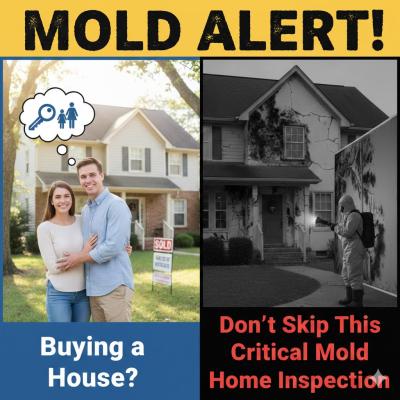
Buying a home is one of the biggest investments you’ll ever make. It’s exciting, emotional, and sometimes overwhelming. You imagine family dinners, cozy weekends, and building memories in a place you can truly call your own. But beneath the fresh paint, stylish staging, and charming curb appeal, there could be a hidden threat that many buyers overlook: mold.
A critical mold home inspection isn’t just another box to check during the buying process — it can save you from expensive repairs, serious health risks, and long-term regret. In this comprehensive guide, you’ll discover exactly why mold inspections matter, what they involve, how to spot warning signs, and how to protect your investment before it’s too late.
What Is Mold and Why Is It a Serious Problem?
Mold is a type of fungus that thrives in damp, humid environments. It reproduces by releasing tiny spores into the air, which can settle and grow on almost any surface when moisture is present. While mold exists naturally outdoors, indoor mold growth is where problems begin.
The danger isn’t just cosmetic. Mold can damage a home’s structure and impact your health. It can grow behind walls, under flooring, inside HVAC systems, and in crawl spaces — places you may never think to check.
Common issues caused by indoor mold include:
-
Respiratory problems
-
Allergic reactions
-
Chronic coughing or sneezing
-
Eye, nose, and throat irritation
-
Headaches and fatigue
-
Aggravated asthma symptoms
For vulnerable individuals — children, elderly adults, or those with weakened immune systems — mold exposure can be especially harmful.
Why Mold Inspections Are Crucial When Buying a Home
A standard home inspection may not thoroughly check for mold. Inspectors typically look for structural issues, electrical systems, plumbing, roofing, and general safety concerns. Mold often requires specialized testing and expertise.
Skipping a mold inspection could mean:
-
Buying a home with hidden water damage
-
Facing thousands in remediation costs
-
Discovering health hazards after moving in
-
Losing negotiating power during purchase
A dedicated mold inspection provides peace of mind. It ensures you fully understand the condition of the property before committing financially.
Hidden Places Mold Loves to Grow
Mold isn’t always visible. In fact, the most dangerous infestations are often hidden behind surfaces.
Common hidden mold hotspots include:
Behind Drywall and Wallpaper
Leaks from plumbing or roofs can soak walls without obvious surface damage.
Under Carpets and Flooring
Flooding or spills trapped beneath materials create perfect conditions for growth.
Inside HVAC Systems
Moisture buildup in air ducts can spread spores throughout the home.
Basements and Crawl Spaces
Poor ventilation and high humidity make these areas prime targets.
Attics
Roof leaks and inadequate insulation often lead to mold formation overhead.
Because mold thrives out of sight, professional testing tools are essential for detection.
Signs of Mold You Should Never Ignore
Even if you don’t see mold directly, warning signs may be present.
Watch for these red flags during home tours:
-
Musty or earthy odors
-
Water stains on ceilings or walls
-
Peeling paint or bubbling wallpaper
-
Warped floors
-
Condensation on windows
-
Past flooding disclosures
-
Recent paint jobs covering suspicious areas
If something feels off, trust your instincts and request further inspection.
What Happens During a Professional Mold Inspection?
A certified mold inspector uses specialized equipment and testing methods to evaluate a property.
Typical steps include:
Visual Assessment
Inspectors check moisture-prone areas, looking for visible growth or water damage.
Moisture Detection
Tools like moisture meters and thermal imaging cameras identify damp areas behind surfaces.
Air Sampling
Air samples determine spore levels inside the home compared to outdoor air.
Surface Sampling
Swabs or tape samples confirm mold types on surfaces.
Laboratory Analysis
Samples are analyzed to identify species and concentration levels.
At the end, you’ll receive a detailed report outlining findings and recommended actions.
How Mold Can Affect Your Home’s Value
Mold isn’t just a health issue — it’s a financial one.
Homes with mold problems often experience:
-
Reduced property value
-
Difficulty securing financing
-
Insurance complications
-
Longer time on the market
-
Mandatory disclosure requirements
Even after remediation, some buyers remain cautious, which can impact resale potential.
The True Cost of Mold Remediation
Many buyers skip mold inspections to save money — a decision that can backfire.
Remediation costs vary widely depending on severity:
-
Minor localized cleanup: $500–$1,500
-
Moderate contamination: $2,000–$6,000
-
Extensive structural damage: $10,000 or more
In severe cases, contaminated drywall, insulation, flooring, and HVAC components may need replacement.
Compared to these expenses, the cost of a mold inspection is minimal.
Health Risks That Make Mold a Dealbreaker
For some families, mold exposure isn’t just uncomfortable — it’s dangerous.
Prolonged exposure has been linked to:
If anyone in your household has allergies, asthma, or immune conditions, a mold inspection becomes even more critical.
When Should You Definitely Order a Mold Inspection?
While every home purchase can benefit from mold testing, certain situations make it essential.
Consider a mold inspection if:
-
The home has a history of flooding
-
It’s been vacant for long periods
-
You notice water damage
-
The property has a basement
-
The climate is humid
-
There’s a strong musty smell
-
Renovations may have concealed damage
Older homes, in particular, may have outdated ventilation systems that trap moisture.
Can You Inspect for Mold Yourself?
Home test kits are available, but they have limitations.
DIY tests may:
While they can be a starting point, they shouldn’t replace a certified inspection — especially during a real estate transaction.
How to Prevent Mold After Buying Your Home
Even if your new home passes inspection, prevention is key.
Simple steps to reduce risk include:
Control Humidity
Keep indoor humidity between 30–50% using dehumidifiers if necessary.
Fix Leaks Immediately
Address plumbing or roof leaks before moisture spreads.
Improve Ventilation
Use exhaust fans in bathrooms and kitchens.
Clean Gutters Regularly
Prevent water from seeping into the foundation.
Monitor Basements and Crawl Spaces
Install vapor barriers or sump pumps if needed.
Prevention costs far less than remediation.
Negotiating Power: How Mold Findings Can Save You Money
A mold inspection doesn’t just protect you — it can strengthen your bargaining position.
If mold is discovered, you may be able to:
Knowledge is leverage in real estate transactions.
Choosing the Right Mold Inspector
Not all inspectors are equal. Look for professionals who are:
-
Certified in mold assessment
-
Independent from remediation companies
-
Experienced in residential inspections
-
Equipped with advanced testing tools
-
Able to provide detailed reports
Hiring the right expert ensures accurate results and trustworthy guidance.
Why Mold Problems Are Increasing in Modern Homes
Ironically, energy-efficient homes can be more susceptible to mold. Tight insulation and sealed windows trap moisture indoors if ventilation isn’t properly designed.
Other contributing factors include:
Understanding these risks helps buyers make informed decisions.
The Emotional Cost of Discovering Mold Too Late
Imagine moving into your dream home only to discover a hidden mold infestation weeks later. The excitement fades quickly, replaced by stress, health concerns, and unexpected expenses.
Many homeowners report feeling:
-
Overwhelmed
-
Anxious about health effects
-
Frustrated with repair costs
-
Regretful about skipping inspections
A mold inspection isn’t just practical — it protects your peace of mind.
Mold Inspection vs. Mold Testing: What’s the Difference?
These terms are often used interchangeably but aren’t identical.
Mold inspection involves identifying conditions that allow mold growth and locating visible problems.
Mold testing analyzes samples to determine spore levels and types.
Most comprehensive services include both for a complete assessment.
Final Walkthrough Checklist for Buyers
Before closing on a home, confirm:
-
Mold inspection completed
-
Issues documented
-
Remediation performed if needed
-
Moisture sources addressed
-
Air quality verified
Taking these steps ensures you’re not inheriting hidden problems.
Conclusion: Protect Your Investment and Your Health
Buying a house should be a joyful milestone — not the beginning of costly repairs and health worries. Skipping a critical mold home inspection may save a little time upfront, but it can lead to enormous consequences later.
A thorough mold inspection protects your finances, your well-being, and your confidence in your purchase. It reveals hidden dangers, strengthens your negotiating position, and ensures your future home is truly safe. For trusted, professional inspections, visit https://www.moldremediationspokanewa.com/ to make sure your investment is protected from the start.
Before signing on the dotted line, make mold inspection a non-negotiable part of your home-buying process. Your future self — and your family — will thank you for it.