Categories
Tags
Archives
How Climate and Soil Conditions Affect Star Jasmine Vine Growth
-
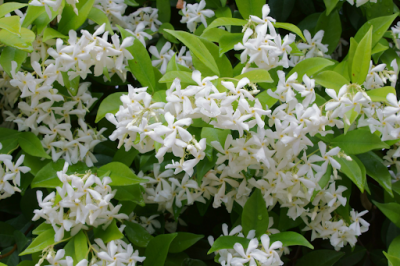
Ornamental climbing plants are valued for their ability to soften structures and add long-lasting visual interest to outdoor spaces. Growth success, however, depends heavily on environmental compatibility rather than appearance alone. Climate stability, soil composition, and moisture balance determine whether a vine thrives or struggles over time. Many gardeners select star jasmine vine for its evergreen foliage and fragrant blooms, but optimal results require informed site preparation. When landscapes also include such trees, understanding how shared soil nutrients and weather exposure interact becomes even more important, ensuring that all plants develop without competing for essential resources or experiencing long-term stress.
Climate Requirements for Healthy Growth
Stable, moderate climates support consistent vegetative growth and flowering. Regions with mild winters and warm summers allow star jasmine vine to retain foliage year-round and produce reliable blooms. Cold temperatures can slow metabolic activity, while frost may damage tender growth if plants are not protected. In extremely hot climates, prolonged heat stress can reduce flowering unless soil moisture is maintained.
Sunlight Exposure and Temperature Balance
Sunlight directly affects bloom density and overall vigor of the star jasmine vine. Full sun to partial shade encourages compact growth and flowering, while heavy shade results in elongated stems and fewer blooms. In warmer regions, filtered afternoon light helps prevent leaf scorch. Temperature regulation also influences nutrient absorption, especially during peak growth months.
Soil Texture and Drainage Conditions
Soil structure determines how efficiently roots access oxygen and moisture. Well-draining loam supports steady root expansion and reduces the risk of fungal disease by preventing prolonged water retention around the root zone. Clay-heavy soils tend to compact over time, limiting airflow and increasing the likelihood of root rot during wet conditions. In contrast, sandy soils drain too quickly, causing moisture stress and nutrient leaching. Incorporating organic compost improves soil aggregation, enhances microbial activity, and creates a balanced environment that supports consistent root development and long-term plant stability.
Soil pH and Nutrient Availability
Slightly acidic to neutral soil promotes efficient nutrient uptake. Poor pH balance limits access to iron, nitrogen, and phosphorus, often resulting in yellowing leaves or weak growth. Periodic soil testing helps maintain long-term plant health. Balanced fertilization supports early-season foliage development and late-season flowering.
Watering Patterns and Moisture Control
Consistent watering supports establishment and seasonal growth. Deep, infrequent watering encourages roots to grow downward rather than remaining shallow. Overwatering, however, reduces oxygen availability and weakens root systems. Mulching helps regulate soil moisture and temperature. When gardens include star jasmine vine alongside other trees, coordinated irrigation schedules prevent water stress while minimizing runoff and nutrient loss across planting zones.
Wind, Humidity, and Environmental Stress
Wind exposure increases moisture loss and can damage tender stems. Sheltered planting locations reduce physical stress and help maintain foliage density. Moderate humidity supports healthy leaf function, while overly dry air may slow growth. These environmental factors affect the consistency of flowering and overall plant resilience. Garden layouts designed for such trees often include wind buffers that also benefit star jasmine vine, creating a more stable microclimate for sustained growth.
Seasonal Maintenance and Growth Control
Seasonal maintenance plays a critical role in sustaining healthy growth and predictable flowering cycles. Timely pruning after the blooming period encourages denser foliage and prevents the vine from becoming woody or unmanageable. Removing weak or crowded stems improves airflow, reducing disease risk in humid conditions. Replenishing organic mulch helps maintain soil moisture, moderates temperature fluctuations, and supports microbial activity. Observing growth responses across seasons allows gardeners to adjust watering, fertilization, and spacing before environmental stress affects overall plant vigor and long-term performance.
Conclusion
Successful vine growth depends on aligning plant needs with local environmental conditions. Climate stability, soil structure, and moisture management all contribute to long-term performance and flowering reliability. Gardens that also feature fruit trees benefit from shared soil preparation and irrigation strategies, allowing all plants to thrive without competition when environmental factors are carefully managed. When planted with intention, the plant integrates well into diverse landscapes and complements structured plantings.