Antibiotic Resistance in Nigeria Understanding the Crisis and t
-
Antibiotic resistance in Nigeria has become one of the most serious public health challenges of the 21st century, threatening the effectiveness of medicines that once reliably treated common infections. As bacteria continue to evolve and adapt, infections that were previously easy to manage are now becoming harder, more expensive, and sometimes impossible to cure. This growing problem affects people across Nigeria, from densely populated urban areas to remote rural communities, placing immense pressure on the healthcare system and increasing the risk of preventable deaths. Addressing antibiotic resistance in Nigeria requires coordinated action, public awareness, and sustained commitment from all sectors of society.
What Is Antibiotic Resistance and Why It Matters
Antibiotic resistance occurs when bacteria develop the ability to survive exposure to antibiotics that are designed to kill them or stop their growth. When antibiotics are misused or overused, bacteria are exposed to conditions that allow them to adapt and become resistant. Over time, these resistant bacteria multiply and spread, making infections increasingly difficult to treat.
In Nigeria, antibiotic resistance is particularly concerning because infectious diseases remain a leading cause of illness and death. When antibiotics fail, patients often experience longer illnesses, more severe complications, and a higher risk of mortality. This not only affects individual patients but also weakens public confidence in healthcare systems and increases the burden on already stretched medical facilities.
Key Drivers of Antibiotic Resistance in Nigeria
Several interconnected factors contribute to the rise of antibiotic resistance in Nigeria. One of the most significant drivers is the widespread misuse of antibiotics. Many people purchase antibiotics without prescriptions, self-medicate, or stop treatment as soon as symptoms improve rather than completing the full course. These practices allow bacteria to survive and develop resistance.
Another major factor is overprescription in healthcare settings. In some cases, antibiotics are prescribed without proper diagnostic testing, often due to limited laboratory resources or pressure from patients who expect medication for quick relief. Antibiotics are also frequently used to treat viral infections, such as colds and flu, where they offer no benefit.
Poor regulation of pharmaceutical sales further worsens the problem. Antibiotics are readily available from informal drug vendors, increasing the risk of counterfeit or substandard medications entering the market. These low-quality drugs often contain incorrect dosages, exposing bacteria to levels that encourage resistance.
Urban and Rural Challenges
Antibiotic resistance in Nigeria affects both urban and rural populations, but the challenges differ across these settings. In urban areas, access to healthcare facilities is generally better, yet antibiotic misuse remains common. High patient volumes, time constraints, and limited diagnostic tools sometimes lead to unnecessary antibiotic prescriptions.
In rural communities, the problem is often compounded by limited access to trained healthcare professionals. Many residents rely on informal drug sellers or traditional remedies, frequently combining antibiotics without proper guidance. Lack of health education and misinformation about antibiotics contribute to their misuse, reinforcing resistance patterns.
These urban-rural disparities highlight the need for tailored interventions that consider local realities while addressing antibiotic resistance in Nigeria on a national scale.
Impact on Healthcare and the Economy
The consequences of antibiotic resistance extend far beyond individual health outcomes. Hospitals across Nigeria are reporting increasing numbers of infections that do not respond to first-line antibiotics. This forces healthcare providers to use stronger, more expensive medications, which are often in limited supply.
Patients with resistant infections tend to stay longer in hospitals, increasing healthcare costs and occupying beds needed by others. For many families, these extended hospital stays result in financial hardship, particularly where out-of-pocket healthcare expenses are common.
At a national level, antibiotic resistance threatens economic productivity. Prolonged illness reduces workforce participation, while rising healthcare costs strain public and private resources. If left unaddressed, antibiotic resistance in Nigeria could significantly undermine development efforts and public health gains.
The Role of Agriculture and the Environment
Antibiotic resistance in Nigeria is not limited to human medicine. The use of antibiotics in agriculture and livestock production also contributes to the problem. Antibiotics are often used to prevent disease or promote growth in animals, sometimes without veterinary oversight.
Resistant bacteria can spread from animals to humans through food, water, and the environment. Improper waste disposal and poor sanitation allow resistant organisms to circulate between communities, farms, and healthcare facilities. This interconnectedness highlights the importance of a One Health approach that considers human, animal, and environmental health together.
National Efforts to Combat Antibiotic Resistance
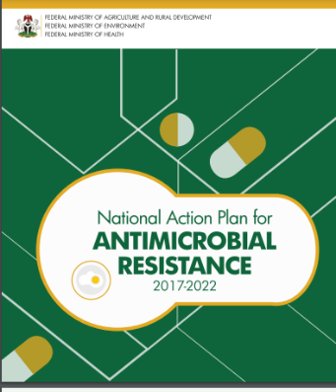
Nigeria has taken important steps to address antibiotic resistance through coordinated national strategies. The development of national action plans on antimicrobial resistance reflects growing recognition of the threat and the need for structured responses.
These efforts focus on strengthening disease surveillance, improving laboratory capacity, promoting responsible antibiotic use, and raising public awareness. Antimicrobial stewardship programs are being implemented in healthcare facilities to guide appropriate prescribing and reduce unnecessary antibiotic exposure.
Capacity building for healthcare workers, including training in infection prevention and control, is also a key component of Nigeria’s response. These initiatives aim to reduce hospital-acquired infections and slow the spread of resistant bacteria.
The Importance of Public Awareness and Education
Public education is essential to reversing antibiotic resistance in Nigeria. Many people still believe antibiotics can cure any illness, regardless of its cause. Changing these perceptions requires sustained awareness campaigns that explain when antibiotics are needed and why misuse is dangerous.
Educating communities about completing prescribed treatments, avoiding self-medication, and seeking professional medical advice can significantly reduce misuse. Schools, community leaders, healthcare workers, and the media all have roles to play in spreading accurate information and encouraging responsible behavior.
When individuals understand how their actions contribute to antibiotic resistance, they are more likely to make informed choices that protect both their own health and that of the wider community.
Strengthening Surveillance and Research
Effective surveillance systems are critical for monitoring antibiotic resistance trends and guiding policy decisions. By tracking which bacteria are becoming resistant and where resistance is most prevalent, Nigeria can allocate resources more effectively and design targeted interventions.
Research also plays a vital role in understanding resistance patterns and developing new treatment strategies. Investment in local research institutions and data-driven decision-making will strengthen Nigeria’s ability to respond to current and future resistance challenges.
Conclusion
Antibiotic resistance in Nigeria represents a complex and growing threat that affects healthcare, economic stability, and public well-being. Driven by misuse, overuse, weak regulation, and limited awareness, resistant infections are becoming more common and more dangerous. However, the crisis is not insurmountable.
Through coordinated national action, stronger regulation, public education, and responsible antibiotic use, Nigeria can slow the spread of resistance and preserve the effectiveness of life-saving medicines. Addressing antibiotic resistance in Nigeria today is an investment in a healthier, safer future for generations to come.