
Automotive engineering increasingly depends on advanced material solutions to meet rising expectations for comfort, safety, durability, and efficiency. Rubber and polymer components are essential in suspension systems, mounts, seals, and vibration isolators. Their performance directly influences ride quality and long-term reliability. Scientific evaluation through polymer testing and application-focused validation help ensure that these components meet demanding automotive requirements.
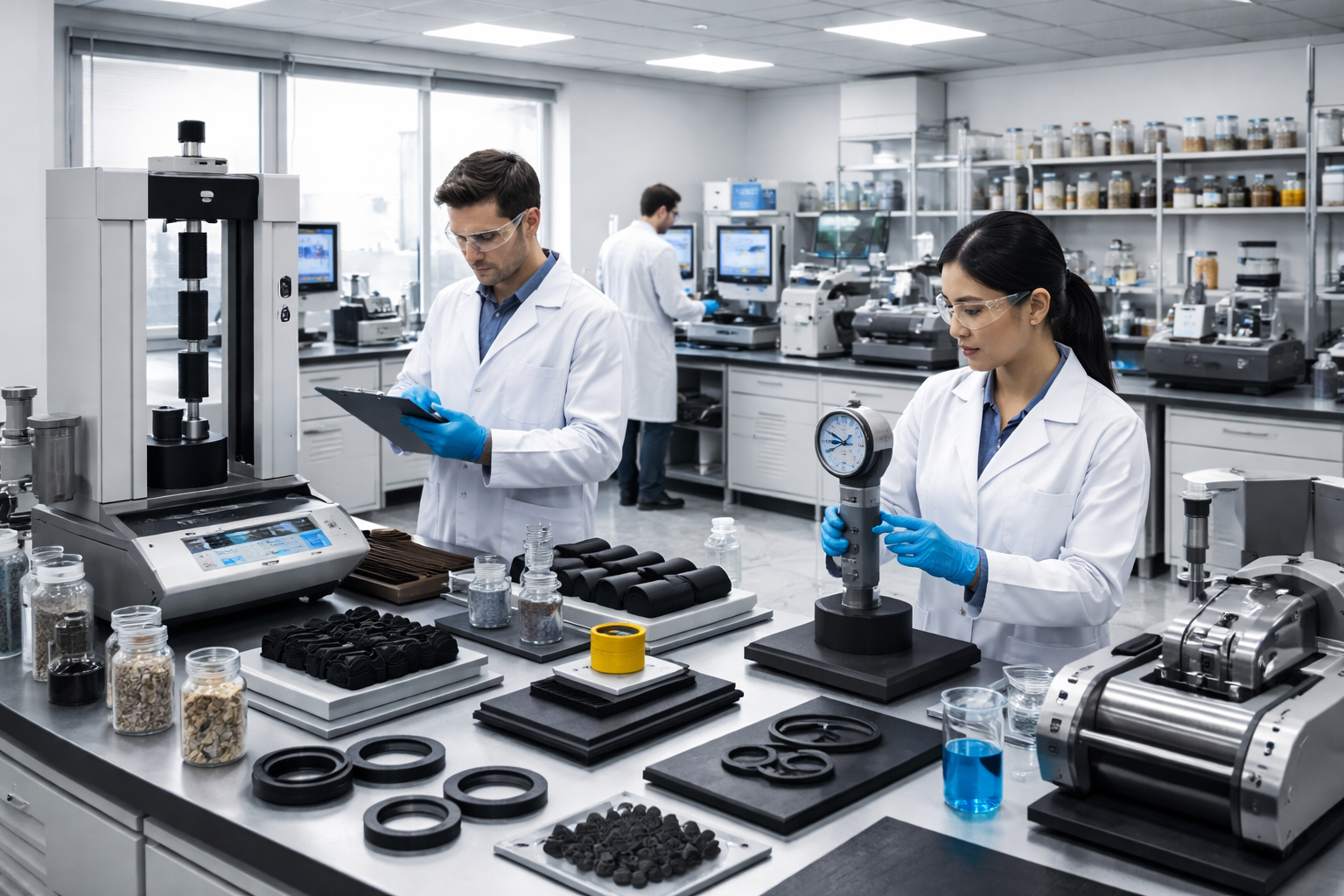
Importance of Polymer Testing in Automotive Materials
Rubber materials are complex polymer systems whose properties change under mechanical load, temperature variation, and repeated stress. Polymer testing evaluates critical parameters such as tensile strength, elasticity, fatigue resistance, compression set, and thermal aging. These properties define how rubber components behave under real operating conditions.
A specialized polymer testing lab conducts these tests using controlled environments and standardized procedures. Accurate polymer data allows engineers to understand material behavior early in development, reducing risks during later design and validation stages.
Supporting Automotive Performance Through Material Optimization
Rubber components influence how forces are transferred within a vehicle. Their stiffness and resilience affect suspension response, steering precision, and overall stability. Optimized material properties contribute directly to predictable vehicle dynamics, improving handling and ride comfort.
Through detailed polymer evaluation, engineers can fine-tune rubber formulations to achieve the right balance between flexibility and control. This optimization supports smooth motion control without compromising safety or durability.
Contribution to NVH Testing and Ride Comfort
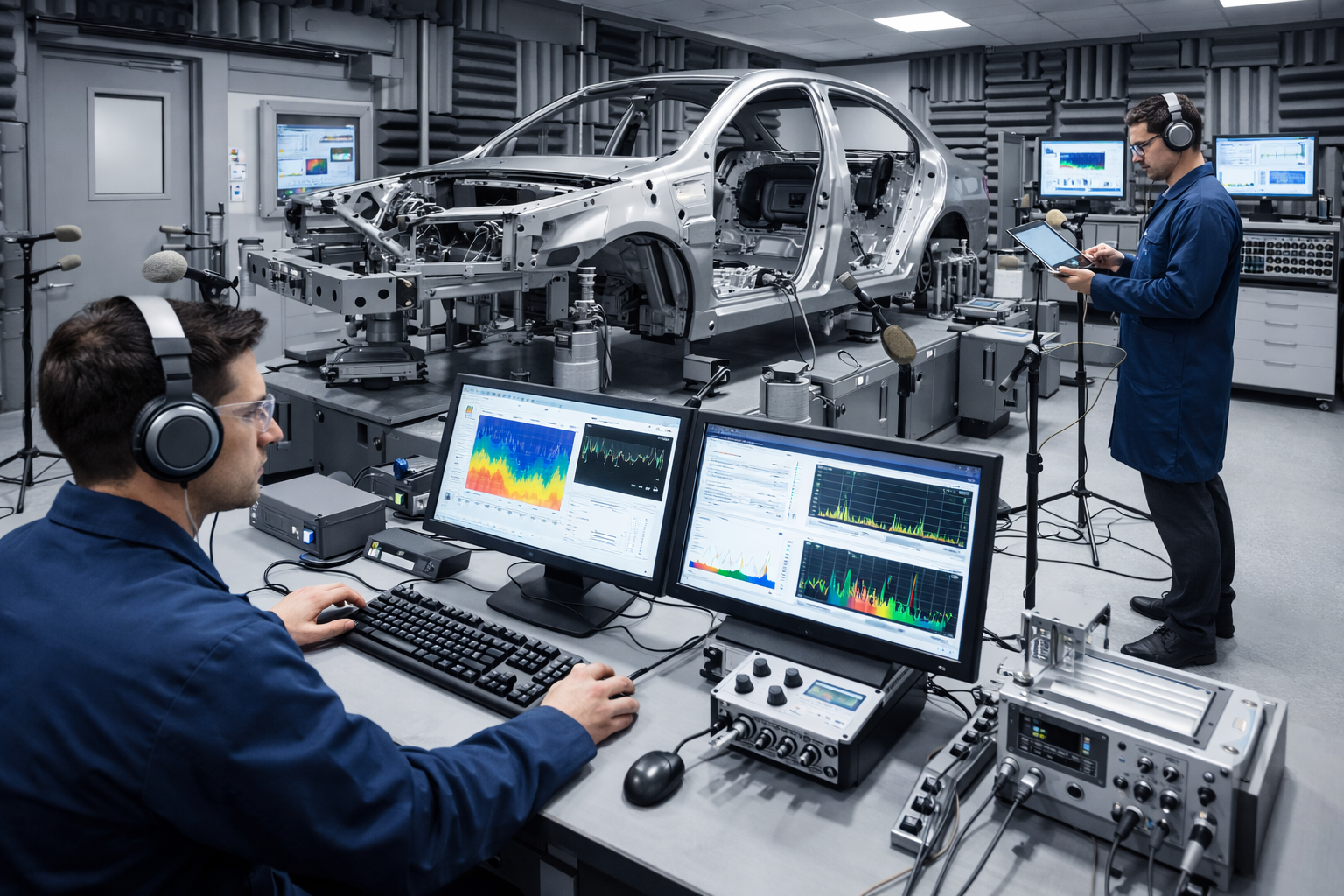
Passenger comfort has become a major differentiator in modern vehicles. NVH testing evaluates how effectively rubber components reduce noise and isolate vibration. Material damping and viscoelastic behavior play a central role in minimizing unwanted sound and vibration.
Accurate polymer data ensures that NVH evaluations reflect true material performance. When damping properties are optimized at the material level, components perform more consistently across varying road and load conditions.
Role of NABL Accreditation in Automotive Testing
Automotive manufacturers require reliable and compliant test data for design approval and regulatory acceptance. A NABL lab for rubber testing operates under strict quality management systems that ensure calibrated equipment, validated methods, and trained personnel.
NABL accreditation confirms that test results are traceable and repeatable. For OEMs and suppliers, this credibility reduces delays, avoids re-testing, and supports faster product validation cycles.
Linking Polymer Testing to Component-Level Validation
Polymer-level data provides the foundation for component-level testing. Understanding material behavior helps define appropriate test conditions for finished parts such as bushings, mounts, and isolators.
By integrating polymer testing insights with component evaluation, laboratories can better interpret performance variations and identify potential issues early. This integrated approach improves testing accuracy and supports consistent automotive performance.
Durability and Long-Term Reliability in Automotive Use
Automotive rubber components are exposed to harsh environments including heat, moisture, oils, and repeated mechanical stress. Long-term polymer evaluation helps predict how materials will age and perform over time.
Durability-focused testing supports material selection that maintains stiffness and damping characteristics throughout the vehicle’s service life. This reduces the risk of increased noise, vibration, or handling degradation as vehicles age.
Supporting Innovation in Modern Automotive Platforms
Electric and hybrid vehicles have introduced new challenges related to noise sensitivity and weight reduction. Quieter powertrains make road and structural noise more noticeable, increasing reliance on effective rubber isolation solutions.
Advanced polymer evaluation enables the development of innovative rubber compounds designed to meet these evolving requirements. Accurate testing supports faster adoption of new materials while maintaining performance confidence.
Quality Assurance and Production Consistency
Consistency across production batches is essential in automotive manufacturing. Variations in polymer composition or processing conditions can lead to inconsistent component performance.
Testing conducted within a NABL lab for rubber testing supports robust quality assurance systems. Documented procedures and traceable results help manufacturers maintain uniform quality and meet OEM expectations.
Delivering Automotive Solutions Through Integrated Expertise
Effective automotive solutions depend on the integration of material science, standardized testing, and application-focused validation. Reliable polymer testing supports accurate NVH testing and stable vehicle dynamics, enabling refined and durable vehicle performance. In the final stage of development and validation, close collaboration between a rubber research lab and a capable rubber testing lab ensures that polymer insights are transformed into high-performing rubber components that meet modern automotive demands.