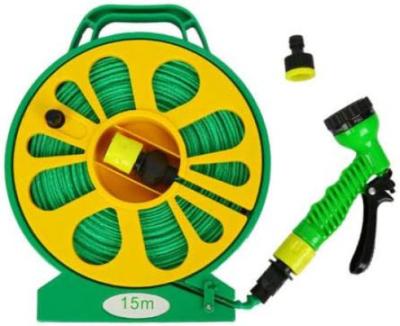
Choosing the Right Garden Hose Pipe in the UK
-
Posted by Lucy Zheng Filed in Family & Home ##GardenTool #homegardening #Hose Pipe #UK Home 37 views
Every summer in the UK seems to follow the same pattern. A few weeks of dry weather arrive, hosepipe ban headlines start popping up, and suddenly everyone becomes far more aware of how much water they’re using. Lawns turn patchy, flower beds need careful watering, and nobody wants to waste a single drop—or pound—on their water bill.
In moments like this, the humble garden hose pipe becomes more important than most people realise. The right hose doesn’t just make gardening easier; it helps you water efficiently, reduce waste, and stay within local water guidelines. After years of living in typical British homes with small gardens, patios, and the occasional shared outdoor tap, I’ve learned that choosing a hose is less about price and more about suitability.
If you’re wondering which garden hose pipe actually makes sense for UK homes, especially during summer, this guide breaks it down in a clear, practical way.
Why Choosing the Right Hose Matters More Than You Think
In the UK, water isn’t unlimited. During warmer months, many regions introduce water-saving campaigns or temporary hosepipe restrictions to protect reservoirs. At the same time, water bills continue to rise, making inefficient watering habits increasingly expensive.
A poorly chosen hose can:
-
Waste water through leaks or bursts
-
Deliver more pressure than you actually need
-
Be too heavy or awkward, discouraging regular use
-
Encourage overwatering, especially during dry spells
A good garden hose, on the other hand, helps you control water flow, reach exactly where you need, and use only what’s necessary.
Start with How You Actually Use Your Garden
Before looking at materials or sizes, take a moment to think realistically about your outdoor space.
Ask yourself:
-
Am I watering plants daily or just occasionally?
-
Do I have a lawn, pots, raised beds, or all three?
-
Will I also use the hose for washing the car or cleaning paving?
-
Is storage space limited?
For most UK households, garden use falls into a few common categories.
Light Daily Watering
If you’re watering pots, hanging baskets, or small flower beds, a lightweight, flexible hose is usually enough.
General Garden & Patio Use
For mixed tasks—watering, rinsing tools, cleaning patios—you’ll need something more durable with decent pressure handling.
Car Washing & Outdoor Cleaning
These tasks require stronger water flow and hoses that resist kinking or splitting under pressure.
Being honest about your needs helps you avoid buying a hose that’s either overkill or frustratingly inadequate.
Garden Hose Length: Longer Isn’t Always Better
Hose length is one of the most common mistakes people make. Many assume longer is safer, but unnecessary length can reduce pressure and make storage awkward.
Typical UK Garden Needs
-
10–15m: Small gardens, terraces, balconies
-
20–25m: Average gardens, driveways, car washing
-
30m+: Large gardens or long distances from tap to lawn
A good rule of thumb is to measure the distance from your outdoor tap to the furthest point you’ll water, then add a little extra. Avoid stretching hoses tight—it shortens their lifespan and increases leak risk.
Hose Diameter and Water Pressure: Finding the Balance
Hose diameter affects how much water flows through at once.
Common Hose Diameters
-
12mm: Ideal for most home gardens; efficient and economical
-
15mm: Stronger flow, useful for sprinklers or cleaning tasks
-
19mm+: Typically unnecessary for domestic UK water pressure
Most UK household systems work best with 12mm or 15mm hoses. Larger diameters may sound appealing, but without sufficient pressure, they often underperform and waste water.
Hose Materials: What Works Best in British Weather
The UK’s climate—cool winters, mild springs, and unpredictable summers—demands materials that can handle temperature changes and UV exposure.
PVC Hoses
Affordable and flexible, but better for light use. They can stiffen in cold weather and wear faster if left outside year-round.
Rubber Hoses
Very durable and resistant to temperature changes, but heavier. Best for frequent or demanding use.
Multi-Layer Composite Hoses
Often labelled as 3-layer or 5-layer hoses. These balance flexibility with strength and are a popular choice for long-term outdoor use.
PU or TPR Hoses
Lightweight, kink-resistant, and increasingly popular for modern gardens. They’re easy to handle and store, making them ideal for everyday watering.
For most UK homes, multi-layer or PU/TPR hoses offer the best balance between durability and ease of use.
Anti-Kink Design: More Important Than It Sounds
Few things are more annoying than a hose that constantly twists and cuts off water flow. Anti-kink features aren’t just marketing—they genuinely affect usability.
Look for hoses with:
-
Reinforced braided layers
-
Anti-twist or kink-resistant labels
-
Smooth outer coatings
These designs help maintain steady water flow and reduce strain on connectors.
Storage Solutions: Don’t Ignore This Part
Storage is often overlooked until the hose becomes a tangled mess.
Popular Storage Options
-
Manual hose reels: Simple and affordable
-
Auto-retractable reels: Convenient and tidy, especially for smaller spaces
-
Wall-mounted holders: Suitable for lightweight hoses
Proper storage protects the hose from UV damage, reduces tripping hazards, and extends its lifespan.
Connector Compatibility and Attachments
Most UK taps and accessories use standard quick-connect fittings, but it’s still worth checking.
Ensure:
-
Connectors fit your outdoor tap securely
-
Spray nozzles are compatible
-
Washers are included to prevent leaks
A small leak may seem harmless, but over a summer, it can add noticeable cost to your water bill.
Water-Saving Tips for UK Summers
Choosing the right hose is only part of the equation. How you use it matters just as much.
Practical Water-Saving Habits
-
Water early morning or late evening to reduce evaporation
-
Focus on plant roots, not leaves
-
Use spray nozzles instead of open hose ends
-
Avoid watering lawns during hosepipe restriction periods
These habits help you stay within local water guidance while keeping your garden healthy.
Extra Tips for Lower Water Bills
-
Use rainwater butts where possible
-
Group plants with similar watering needs
-
Mulch soil to retain moisture
-
Check hoses regularly for small leaks
Efficient watering isn’t about cutting corners—it’s about being intentional.
Final Thoughts: A Smarter Hose for a Smarter Summer
In the UK, summer gardening is as much about water management as it is about enjoying the outdoors. The right garden hose pipe helps you care for your space without wasting water, money, or effort.
By choosing the correct length, diameter, material, and storage solution—and pairing it with sensible watering habits—you can keep your garden thriving while staying mindful of both water usage and rising household costs.
Sometimes, it’s the simplest tools that make the biggest difference.
-