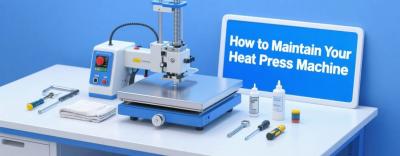
How to Properly Maintain a Heat Press Machine
-
Posted by Edi Jiang Filed in Other #uk #Sublimation Transfer Printing suppliers #how to #sublimation #heat press 16 views
A heat press machine is one of those tools you rely on every day without giving it much thought — until something goes wrong. Uneven pressure, faded transfers, strange temperature fluctuations… suddenly, production slows down, and mistakes become costly.
The truth is, most heat press problems don’t come from manufacturing defects. They come from improper maintenance or, more often, no maintenance at all.
Whether you use a heat press for sublimation printing, heat transfer vinyl, DTF, or custom apparel production, learning how to properly care for your machine can extend its lifespan, improve print quality, and save you money in the long run.
In this guide, we’ll walk through how to correctly maintain a heat press machine, explain how care differs between machine types, and answer some of the most common questions users have — all in clear, practical language you can apply immediately.
Why Heat Press Maintenance Matters More Than You Think
A heat press machine works under constant high temperature and pressure. Over time, heat, residue, dust, and mechanical wear slowly affect performance.
Proper maintenance helps you:
-
Maintain accurate and stable temperatures
-
Ensure even pressure across the platen
-
Prevent burnt transfers and ghosting
-
Reduce downtime and unexpected repairs
-
Extend the overall lifespan of the machine
For businesses, good maintenance isn’t just about protecting equipment — it’s about consistent results and professional output.
Understand Your Heat Press Type First
Not all heat press machines are built the same, and maintenance should reflect that.
Clamshell Heat Press Machines
-
Compact and space-saving
-
Hinged design opens vertically
-
Common for small workshops and beginners
Maintenance focus:
Hinges, springs, pressure adjustment mechanisms, and top platen alignment.Swing-Away Heat Press Machines
-
The top platen swings away completely
-
Offers even pressure and safety
-
Popular for thicker materials
Maintenance focus:
Swing arm joints, bolts, bearings, and frame stability.Draw-Style / Slide-Out Heat Press Machines
-
Lower platen slides out for easy loading
-
Safer and more ergonomic
Maintenance focus:
Sliding rails, lubrication, and debris prevention.Automatic or Pneumatic Heat Press Machines
-
Uses air pressure instead of manual force
-
Designed for high-volume production
Maintenance focus:
Air lines, compressors, pressure regulators, and electrical components.Knowing your machine type allows you to focus on the parts that matter most.
Daily Heat Press Maintenance
Daily maintenance doesn’t need to be complicated. A few simple habits can prevent the most common issues.
1. Clean the Heat Platen After Use
After the machine cools slightly:
-
Wipe the platen with a soft, dry cloth
-
Remove adhesive residue, ink, or vinyl marks
-
Never scrape with metal tools
If residue builds up, use a heat press cleaner or a mild alcohol solution sparingly.
2. Check Temperature Accuracy
An inaccurate temperature can ruin transfers.
-
Use an infrared thermometer or heat strip
-
Test multiple points across the platen
-
Watch for cold spots or overheating areas
If temperature variance is large, recalibration or professional inspection may be needed.
3. Keep the Machine Dust-Free
Dust and lint can affect sensors and moving parts.
-
Clean around vents
-
Avoid placing the machine near open windows or fabric cutting areas
-
Cover the press when not in use
Weekly and Monthly Maintenance Tasks
Inspect Pressure Adjustment Components
Uneven pressure is a common complaint.
-
Check knobs, springs, or pneumatic settings
-
Make sure pressure adjustments move smoothly
-
Look for loosened screws or bolts
Lubricate Moving Parts
For swing-away or slide-out presses:
-
Apply light machine oil to joints or rails
-
Avoid over-lubrication
-
Wipe away excess oil immediately
Examine Electrical Cables and Connections
Heat presses rely on stable electrical input.
-
Inspect power cords for wear
-
Ensure plugs fit tightly
-
Look for signs of overheating or discolouration
If anything looks damaged, stop using the machine until it’s fixed.
Silicone Pads, Heat Mats, and Accessories Matter Too
Many users focus only on the press itself and forget about consumables.
-
Silicone pads compress over time — replace them when they lose elasticity
-
Teflon sheets should be kept clean and replaced if damaged
-
Heat-resistant mats should remain flat and free of debris
Worn accessories can cause uneven pressure and poor transfer results, even if the machine itself is fine.
Proper Storage and Environmental Conditions
Where you place your heat press affects its lifespan.
-
Keep the machine in a dry, well-ventilated area
-
Avoid extreme humidity or temperature changes
-
Never store heavy objects on the press
-
Power off completely when not in use
Humidity is especially harmful to electrical components and control panels.
Benefits of Proper Heat Press Maintenance
When maintenance becomes routine, the benefits are clear:
-
Consistent print quality
-
Fewer failed transfers
-
Lower long-term repair costs
-
Improved safety
-
Longer machine lifespan
For businesses, this translates directly into higher efficiency and customer satisfaction.
Common Heat Press Maintenance FAQs
How often should I clean my heat press?
Light cleaning should be done daily, while deeper inspections should be done weekly or monthly, depending on usage.
Can I use water to clean the heat platen?
No. Water can cause corrosion or electrical damage. Always use a dry cloth or approved cleaning solutions.
Why is my heat press not applying even pressure?
Common causes include worn silicone pads, misaligned platens, or loose pressure adjustment components.
Do heat press machines need professional servicing?
Occasional professional inspection is recommended for high-use machines, especially pneumatic or automatic models.
Is it safe to leave my heat press on all day?
It’s not recommended. Continuous heat without use increases wear and energy consumption.
Choosing a Reliable Heat Press Makes Maintenance Easier
Even with perfect care, machine quality matters. Well-built heat press machines use stable heating elements, durable frames, and reliable control systems — all of which reduce long-term maintenance issues.
Brands like Signzworld offer a range of Heat Press Machine options designed for sublimation, HTV, and commercial use, with solid construction and user-friendly controls that make daily care simpler and more effective. For users looking to balance performance, durability, and ease of maintenance, their heat press solutions are worth considering.
Making Maintenance Part of Your Workflow
Heat press maintenance isn’t something you do when there’s time. It works best when it becomes part of your regular workflow — just like preheating, setting pressure, or testing transfers.
A few minutes of care each day can prevent hours of frustration later. Treat your heat press like the professional tool it is, and it will reward you with consistent results and dependable performance for years to come.
-