Durable Endotracheal Tube Plain for Airway Support
-
Posted by Garima Sharma Filed in Health #endotracheal tube #Endotracheal tube manufacturer #endotracheal tube exporters 14 views
Introduction
Airway management plays a central role in modern medical treatment, whether in emergency care, surgery, or critical care environments. Among all airway devices, the endotracheal tube is one of the most reliable devices used by medical professionals to secure a patient’s airway. It helps maintain proper ventilation, oxygen delivery, and patient safety during surgical procedures and life-saving interventions. The article is highly informative and provides a clear picture of the Endotracheal tube, its applications, Features, and why healthcare professionals and medical buyers need to choose reliable manufacturers and exporters of endotracheal tubes.
What Is an Endotracheal Tube?
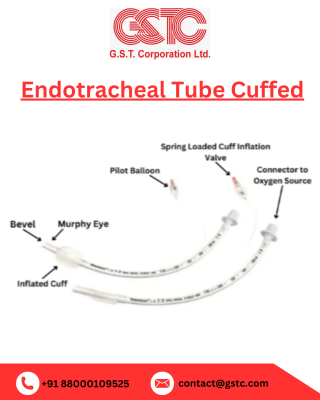
An Endotracheal tube is a plastic tube inserted via the nose into the windpipe (also called the trachea) to keep the airway open and ensure proper oxygen supply, or to provide ventilation during surgery, critical care, or in any emergency. A cuffed endotracheal tube is an ET tube that consists of a tiny inflatable balloon (cuff) situated near the lower end. Our ET Tubes are manufactured from non-toxic, medical-grade material (PVC), which makes the tubes clear, smooth, and kink-free, allowing for smooth insertion and observation.
Types of Endotracheal Tubes (ET Tubes)
1. Cuffed Endotracheal Tube (ET Tube Cuffed)
A cuffed endotracheal tube is an ET tube with a soft, inflatable cuff at its lower end. Once the tube is placed in the trachea, the cuff is inflated to create a secure seal between the tube and the tracheal wall.
This seal helps:-
Prevent air leakage during ventilation
-
Protect the airway from aspiration of fluids
-
Provide stable and controlled breathing support
Cuffed ET tubes are commonly used in adults, ICU ventilation, general anesthesia, and emergency airway management, where a tight airway seal is required.
2. Uncuffed Endotracheal Tube (ET Tube Uncuffed)
An uncuffed endotracheal tube does not have an inflatable cuff. Rather, it depends on the natural form of the airway to enable the passage of air without applying pressure on the walls of the trachea.
Uncuffed tubes are preferred because they:
-
Reduce the risk of airway injury
Allow gentle ventilation -
They are safer for small and delicate airways
These tubes are mostly used in neonates, infants, and pediatric patients, where maintaining airway safety is more important than creating a complete seal.
How to Choose the Right Endotracheal Tube?
Selecting the correct product is essential for healthcare professionals and distributors. Such as:-
1. Material Quality
Choose tubes made from soft, transparent, medical-grade PVC.
2. Proper Sizing
Ensure the availability of full-size ranges for neonates, pediatric, and adult patients.
3. Manufacturer’s Experience
Buy from trusted endotracheal tube manufacturers with years of expertise and strong market presence.
4. Global Certifications
Check for CE, ISO, and other quality certifications.
5. Packaging and Sterility
Ensure the product is EO sterilized and individually packed.
Applications of the Endotracheal Tube
An Endotracheal Tube is mainly used for airway management in infants and children because it provides ventilation without putting pressure on their delicate trachea. Its soft, plain design makes it safe and easy to use in several clinical situations, including:
1. Pediatric Surgeries and Anesthesia
Used to maintain a clear airway and deliver anesthesia safely during child surgeries.
2. Neonatal & Pediatric ICU
Helps support breathing in newborns and infants who need mechanical ventilation due to weak or underdeveloped lungs.
3. Emergency Airway Management
Ideal for quick intubation during emergencies like trauma, respiratory distress, or sudden airway blockage.
4. Short-Term Ventilation Support
Used when temporary breathing assistance is required after surgery or during short medical procedures.
Conclusion
An uncuffed endotracheal tube is a vital medical device that ensures safe airway management, especially in pediatric and neonatal care. Its simple, effective, and gentle design provides reliable ventilation without unnecessary pressure on the airway. As one of India’s leading endotracheal tube manufacturers and exporters, GST Corporation delivers high-quality, medically tested, and globally trusted airway management solutions for healthcare professionals and distributors. Whether you are a clinician, hospital buyer, or medical distributor, choosing a well-designed Endotracheal Tube Plain ensures safety, efficiency, and superior patient care.
-