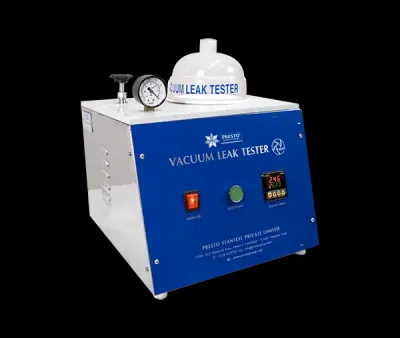
Vacuum Testing Machine for Accurate Leak Detection
-
Posted by ravi gupta Filed in Technology #vacuum testing machine #Vacuum Leakage tester in indonesia 98 views
Leak testing is also among the most important quality control procedures for companies in the packaging, food, pharmaceutical, and beverage sectors. A leak, no matter how small, can cause contamination, spoilage, or failure of the product, leading to loss of money and erosion of brand reputation. It is for this reason that companies globally are using sophisticated vacuum testing machine solutions to guarantee that their products are of high quality.
Why Leak Detection Matters
Packaging is designed to protect the product inside from external factors such as moisture, air, bacteria, and physical damage. If the packaging fails, the product loses its intended shelf life, which can compromise consumer safety. In industries like pharmaceuticals or food & beverage, this can even lead to health hazards and costly recalls.
Leak detection plays a vital role in preventing these risks. By identifying weak seals, microscopic pinholes, or packaging defects before products reach the market, manufacturers can guarantee consistent quality and maintain customer trust. In addition, leak detection helps optimize packaging materials by ensuring that the minimum necessary thickness or sealing strength is used without compromising safety.
How a Vacuum Testing Machine Works
A vacuum-based leak tester uses a simple yet highly effective principle to detect leaks. The product or package is placed in a sealed chamber filled with water or left empty depending on the testing method. The machine then creates a vacuum inside the chamber, reducing the pressure around the package.
If there is a leak, air will escape from the package and form bubbles (in case of water-based testing) or cause a pressure drop that can be measured by the instrument’s sensors. The machine then alerts the operator, allowing them to reject the defective product and investigate the cause of the leakage.
This non-destructive method ensures quick and reliable testing without damaging most packaging types, making it suitable for high-volume production environments.
Applications Across Industries
Vacuum leak testing is not limited to a single sector. It is widely used across industries where packaging integrity is critical:
-
Food & Beverage Industry – Testing bottles, pouches, tetra packs, and jars to avoid spoilage.
-
Pharmaceutical Industry – Ensuring blister packs, vials, and ampoules are sealed properly.
-
Consumer Goods – Validating seals on products such as cosmetics or chemicals.
-
Automotive and Electronics – Checking components like fuel tanks, sensors, and small assemblies.
By using this method, companies can maintain compliance with international standards, avoid costly recalls, and strengthen their market position.
Benefits of Using Vacuum Leak Testing
-
High Sensitivity – Detects even micro-leaks that are invisible to the naked eye.
-
Non-Destructive Testing – Ideal for products that must remain intact after inspection.
-
Fast and Repeatable Results – Perfect for high-speed production lines.
-
Cost-Effective – Reduces material waste and minimizes losses due to defective packaging.
-
Data Logging – Advanced machines allow result storage for traceability and quality audits.
These advantages make vacuum-based testing one of the most reliable and preferred methods for leak detection globally.
Trends in Leak Detection Technology
As manufacturing continues to evolve, leak detection systems are becoming more automated and intelligent. Integration with IoT-enabled sensors and PLC-based controls allows real-time monitoring and data collection. This provides manufacturers with instant feedback, helping them take corrective actions without halting production.
In addition, global demand for safer and more eco-friendly packaging is driving the development of more sensitive and energy-efficient machines that consume less power while delivering higher accuracy.
Importance of Choosing the Right Equipment
While the principle of vacuum testing is straightforward, not all machines offer the same level of performance. Factors such as chamber size, sensor accuracy, speed, and ease of operation can significantly affect the quality of results. This is why working with an experienced equipment manufacturer is essential.
Businesses should look for machines that are robust, user-friendly, and compliant with international standards like ASTM and ISO. Regular calibration and technical support are also crucial to maintaining long-term performance.
Presto Instruments – Your Trusted Partner for Leak Testing
When it comes to leak detection, Presto Testing Instruments has built a reputation for excellence. As a leading manufacturer of quality control equipment, Presto offers state-of-the-art Vacuum Leakage tester in Indonesia designed to meet the needs of diverse industries.
Presto’s vacuum leak testing machines are engineered for precision, durability, and efficiency. They come equipped with easy-to-use controls, robust vacuum pumps, and high-quality chambers to deliver repeatable results. Whether you are testing pouches, PET bottles, or blister packs, Presto provides customized solutions tailored to your production requirements.
One of the key benefits of choosing Presto is their strong after-sales support. They provide installation assistance, operator training, and regular calibration services to keep your machine running at peak performance. This commitment to service ensures minimal downtime and consistent product quality.
By investing in Presto’s vacuum testing solutions, manufacturers in Indonesia and beyond can significantly reduce product failures, protect their brand image, and improve customer satisfaction. With advanced technology, compliance with global standards, and a customer-centric approach, Presto continues to set the benchmark for reliable leak testing solutions.
-