My Chinese Kitchen: Winn's Easy Peasy Chinesey Secrets
-
Hello, foodies! My name is Winn, and I'd love to take you on a drool-worthy journey to the heart of Chinese cooking. If you're a person who's always been fascinated by the rich flavors and hues of Chinese cuisine but also intimidated by its complexity, then you're in for a treat. This blog post is all about how I converted "My Chinese Kitchen" into a kitchen where even a novice like me can prepare mouth-watering and real Chinese food, courtesy of the excellent cookbook "Easy Peasy Chinesey."
The Inspiration
I was looking for how to broaden my cooking horizon a few weeks ago and found "Easy Peasy Chinesey." I was drawn in by the title alone—it promised simplicity and authenticity, two of which are hard to achieve at the same time in the kitchen. I have always been fascinated with the technique of Chinese cooking, from the subtle harmony of flavor to the complicated techniques. But let's face it, not everybody has an hour or more a day to pick up the art of stir-frying or rolling a flawless dumpling wrapper. This is where "Easy Peasy Chinesey" is here for me. It's a cookbook for individuals like myself who wish to introduce themselves to Chinese cuisine without getting overwhelmed.
Setting Up My Chinese Kitchen
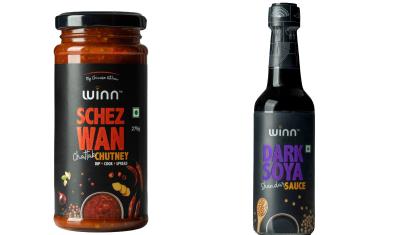
Prior to being able to experiment on the recipes, I needed to ready my kitchen for this adventure. I gathered some of the ingredients and tools that are commonly utilized in Chinese cooking. Fresh ginger, garlic, soy sauce, and a good wok were on my list first. I also bought a bamboo steamer, which I had always desired but never had the chance to use. With these basics in place, I felt free to let the flavors of Chinese cuisine shine.
The First Dish: Kung Pao Chicken
I started with a classic: Kung Pao Chicken. The "Easy Peasy Chinesey" recipe was incredibly easy to read, with clear instructions and a comprehensible ingredient list. I followed the steps carefully, from marinating the chicken to cooking the vegetables. The result? A flavorful dish that was spicy just the right amount. It was a success, and I couldn't wait to prepare more recipes.
Experimenting and Learning
As I continued, I realized that Chinese cooking is equal parts technique as ingredients. I discovered the importance of short cooking times and high heat, which lock in the flavors and maintain the crispness of the vegetables. I also discovered the fun of experimenting with different seasonings and sauces. Each meal that I prepared showed me something new, and I found myself more and more comfortable in the kitchen.
Favorite Recipes
My favorite "Easy Peasy Chinesey" recipes are:
-
Mapo Tofu: This spicy tofu had been a success, and I was amazed at how simple it was to make and how much flavor it contained.
-
Dumplings: I had always wondered how to make dumplings from scratch, and the recipe in the book was a revelation. The dough was soft and flexible, and the filling was wonderful.
-
Stir-Fried Bok Choy: A simple but elegant side dish that showcased the bok choy's own sweetness.
Conclusion
My experience with Chinese cuisine has been nothing short of amazing. "Easy Peasy Chinesey" has shown me that it does not require a master chef to cook delicious and authentic Chinese food. With a few key ingredients, some basic methods, and an open mind to experiment, anyone can bring the flavor of China into their own kitchen.
So, if you're willing to embark on your own culinary adventure through "My Chinese Kitchen," I highly recommend you attempt "Easy Peasy Chinesey." I assure you, it's as easy as it sounds, and the reward is certain to amaze. Bon appétit!
#Winn#Easy Peasy Chinesey#My Chinese Kitchen
-