Categories
Archives
Glucagon Like Peptide: A Key Player in Regulating Blood Sugar
-
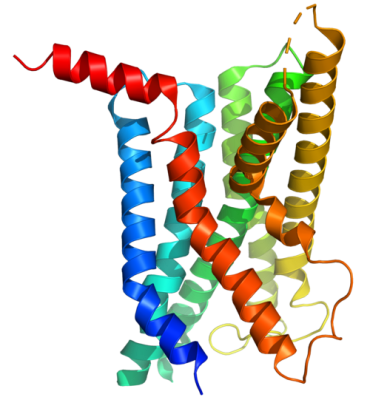
Glucagon like peptide (GLP) refers to a group of peptides that are similar in structure to glucagon. They are secreted by enteroendocrine cells in the small intestine and colon in response to food intake. The two main glucagon like peptides are GLP-1 and GLP-2.
GLP-1 Functions and Effects
GLP-1 plays an important role in regulating blood glucose levels after eating. It is secreted when food is ingested, causing the pancreas to release insulin and suppress glucagon secretion. This helps lower blood sugar after meals. Some key functions and effects of GLP-1 include:
- Stimulating insulin secretion: GLP-1 causes the beta cells in the pancreas to secrete insulin, helping control blood glucose levels after eating. It enhances the rate and amount of insulin secretion in response to rising blood glucose.
- Suppressing glucagon secretion: It inhibits the alpha cells in the pancreas from releasing glucagon. Glucagon raises blood glucose levels, so inhibiting its secretion helps prevent hyperglycemia.
- Delaying gastric emptying: Glucagon-like peptide-1 (GLP-1) is at which food leaves the stomach and enters the small intestine. This helps regulate the absorption of glucose into the bloodstream.
- Inducing satiety: It suppresses appetite by inducing a feeling of fullness. This can help promote weight loss by reducing food intake and calorie consumption.
- Neuroprotective effects: Studies show GLP-1 may protect nerve cells and help improve symptoms of neurological disorders like Alzheimer's and Parkinson's disease.
Therapeutic Uses of GLP-1 Analogs
Due to its beneficial effects on blood glucose control, pharmaceutical companies have developed GLP-1 receptor agonists (analogs) for the treatment of type 2 diabetes:
- Exenatide (Byetta): The first FDA approved GLP-1 analog drug. It mimics the actions of endogenous GLP-1 to lower blood sugar.
- Liraglutide (Victoza): A once-daily injectable drug with a longer duration of action than exenatide. Provides effective glycemic control.
- Dulaglutide (Trulicity): A once-weekly GLP-1 analog that controls blood sugar while promoting modest weight loss.
- Semaglutide (Ozempic, Rybelsus): Available as an injection or pill, it has a longer half-life than other agents and provides cardiovascular risk reduction.
- Lixisenatide (Adlyxin): Another short-acting injectable analog approved to improve glycemic control in combination with oral drugs.
Numerous clinical trials have demonstrated the anti-diabetic efficacy and safety of GLP-1 receptor agonists compared to other classes of diabetes medications. They offer an attractive treatment option due to their additional benefits of weight loss and low risk of hypoglycemia.
Role of GLP-1 in Weight Control
Beyond glycemic control, GLP-1 is also involved in energy homeostasis and weight regulation. It acts centrally in the brain as well as peripherally in the gastrointestinal tract to induce feelings of fullness:
- Suppresses appetite by activating neurons in appetite centers of the hypothalamus. This helps reduce food intake over the long term.
- Slows gastric emptying which enhances the feeling of fullness after eating. This early satiety signal promotes consuming fewer calories.
- Stimulates insulin secretion which promotes glucose and fat storage after meals. This helps minimize substrate availability for new fat deposition.
- May directly regulate lipid metabolism in adipose tissue by enhancing fat oxidation and inhibiting lipogenesis pathways.
GLP-1 analog drugs exploit these properties to promote modest yet clinically meaningful weight loss of 3-6% in diabetics over 1-2 years of treatment. For obese individuals struggling with weight, GLP-1 therapy provides an effective adjunct.
Potential Neuroprotective Effects
Beyond metabolic functions, emerging evidence indicates GLP-1 signaling may also benefit neurological health through various mechanisms:
- neurogenesis promotion: In animal models, GLP-1 stimulates the birth of new neurons in hippocampus involved in learning and memory.
- anti-inflammatory pathways: Reduces microglial activation and pro-inflammatory cytokine levels implicated in neurodegeneration.
- amyloid-beta clearance: GLP-1 analogs enhance enzymes that clear accumulated amyloid-beta plaques linked to Alzheimer's pathology.
- synaptic plasticity maintenance: Supports synaptic signaling, neurotransmitter release and neural network resilience against damage.
While more research is still needed, GLP-1 based therapies show promise for treating disorders like Alzheimer's disease, Parkinson's disease and ischemic stroke. Efforts are ongoing to develop analogs that can effectively cross the blood-brain barrier.
glucagon like peptide 1 is an important gastrointestinal hormone involved in regulating food intake, insulin secretion, gastric emptying and ultimately glycemic control. Its actions are harnessed pharmaceutically through GLP-1 receptor agonists to treat diabetes and aid weight loss. Emerging data also suggests potential neuroprotective properties, highlighting new therapeutic avenues being investigated. GLP-1 remains a hot research area given its versatile metabolic and neural functions.Get this Report in Japanese Language
Get this Reports in korean Language
About Author:
Alice Mutum is a seasoned senior content editor at Coherent Market Insights, leveraging extensive expertise gained from her previous role as a content writer. With seven years in content development, Alice masterfully employs SEO best practices and cutting-edge digital marketing strategies to craft high-ranking, impactful content. As an editor, she meticulously ensures flawless grammar and punctuation, precise data accuracy, and perfect alignment with audience needs in every research report. Alice's dedication to excellence and her strategic approach to content make her an invaluable asset in the world of market insights.
(LinkedIn: www.linkedin.com/in/alice-mutum-3b247b137 )