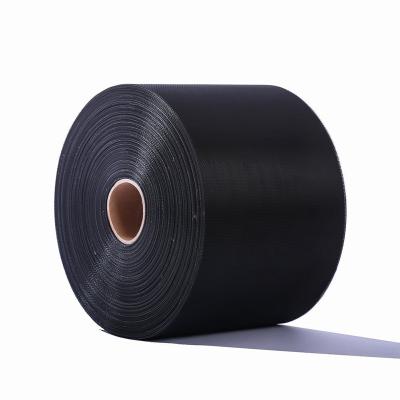
Epoxy Mesh: Properties, Applications, and Benefits
-
Epoxy mesh, also known as epoxy-coated wire mesh, is a highly durable filtration and reinforcement material widely used in air filters, hydraulic filters, HVAC systems, automotive filtration elements, and industrial separation equipment. Its corrosion-resistant epoxy coating significantly enhances mesh stability, bonding performance, and lifespan under harsh operating environments.
This article provides a comprehensive overview of epoxy mesh—covering its structure, features, applications, and selection guidelines—to match what customers commonly look for when researching this product online.
What Is Epoxy Mesh?
Epoxy mesh is a metal wire mesh (usually low-carbon steel, galvanized steel, aluminum, or stainless steel) that is coated with a thermosetting epoxy resin. After being coated and cured at high temperature, the mesh surface forms a smooth, uniform, and strong epoxy layer.
This coating:
-
Improves corrosion resistance
-
Enhances bonding performance with filter media
-
Prevents mesh oxidation
-
Adds structural stability
-
Extends service life in humid or chemically harsh environments
Epoxy mesh is commonly supplied in rolls, sheets, or cut-to-size pieces for filter manufacturing.
Key Features of Epoxy Mesh
1. Excellent Corrosion Resistance
The epoxy coating isolates the metal wire from moisture, chemicals, and oil mist, making the mesh suitable for long-term use in high-humidity and industrial settings.
2. Superior Bonding to Filter Media
Epoxy resin adheres strongly to filter paper, nonwoven fabrics, fiberglass media, and synthetic fibers—ensuring stability and preventing delamination during pleating or operation.
3. High Structural Strength
The metal core (typically 0.4–1.0 mm in thickness) provides superior rigidity, supporting filter materials during pleating, lamination, and long-term airflow pressure.
4. Heat and Chemical Resistance
After curing, the epoxy layer withstands moderately high temperatures and common industrial chemicals used in filtration processes.
5. Smooth and Uniform Surface
The consistent coating helps reduce friction and prevents damage to filter media during manufacturing.

Common Applications of Epoxy Mesh
Epoxy mesh is widely used as a supporting and reinforcing layer inside filter elements. Typical applications include:
1. HVAC and Air Purification Filters
-
Pre-filters
-
HEPA & ULPA filters
-
Residential and commercial air purifiers
The mesh provides support and rigidity without rusting.
2. Automotive Filters
-
Cabin air filters
-
Air intake filters
-
Oil mist filters
Its strong bonding with filter media is ideal for pleated automotive-grade materials.
3. Industrial and Hydraulic Filters
-
Oil and lubricant filters
-
Fuel system filters
-
Air compressor filters
Epoxy mesh helps maintain precise filter shape under pressure.
4. Medical and Cleanroom Filters
In sterile environments, epoxy mesh ensures stable structure, low contamination, and long-term reliability.
5. Construction & Composite Reinforcement
In some industries, epoxy-coated mesh is used as:
-
Wall reinforcement mesh
-
Composite bonding mesh
-
Protective mesh in anti-corrosion systems
Material Options for Epoxy Mesh
Base Material Characteristics Typical Usage Low-carbon steel wire Cost-effective, easy to form HVAC, automotive filters Galvanized wire Better corrosion resistance High humidity environments Aluminum wire Lightweight, non-rusting High-end air purification Stainless steel wire Maximum durability & heat resistance Industrial & chemical filtration
Available Mesh Specifications
Epoxy mesh is typically manufactured in:
-
10–60 mesh
-
Wire diameter: 0.2–1.0 mm
-
Colors: Black, gray, green, or custom
-
Coating thickness: 8–30 μm
-
Forms: Rolls, sheets, discs, or custom-cut shapes
Common mesh types:
-
Plain weave epoxy mesh
-
Expanded epoxy mesh
-
Woven wire epoxy mesh
How to Choose the Right Epoxy Mesh
When selecting epoxy mesh for filtration applications, consider:
1. Filtration Level & Airflow Requirements
High-precision filters require finer meshes (30–60 mesh), while general HVAC filters use 10–30 mesh.
2. Working Environment
Choose stainless steel or galvanized mesh for corrosive or humid conditions.
3. Bonding Requirements
If strong lamination with fiberglass or synthetic fiber is needed, choose high-adhesion epoxy coatings.
4. Temperature Range
Ensure the epoxy coating is compatible with your operational temperature limits.
5. Flexibility vs. Rigidity
Pleated filters require flexible mesh, while industrial filters may need rigid structural support.
Advantages of Epoxy Mesh Over Uncoated Metal Mesh
-
Stronger resistance to rust and humidity
-
Enhanced bonding to filter media
-
Smoother surface reduces filter material damage
-
More stable structure in pleating and operation
-
Longer lifespan in harsh environments
-
Better performance for precision air filtration
Conclusion
Epoxy mesh is a critical material in the filtration industry, offering strong support, excellent corrosion resistance, and superior bonding to filter media. It is widely used in HVAC, automotive, electronic, hydraulic, and cleanroom filtration systems. By selecting the right material, mesh count, coating thickness, and structure, manufacturers can significantly improve filter performance and durability.
-
