Categories
Tags
-
#Balanced Diet
#Natural Remedies for Polycythemia Vera
#herbal treatment for Polycythemia Vera
#Herbal Treatment for Polycystic Kidney Disease
#Natural Remedies for Polycystic Kidney Disease
#Supplements for Polycystic Kidney Disease
#Natural Remedies for Burning Mouth Syndrome
#Pure Health Supplement
#Best Treatment for Granuloma Annulare
#Supplements for Granuloma Annulare
#Nutrition Matters for Organ Health
#Nutrition in Polycystic Kidney Disease
#Broader Organ Health Through Nutrition
#Yoga and Deep Breathing for Lung Health
#Yoga and Breathing Exercises
#Yoga Poses for Better Breathing
#The Hidden Symptoms of Menopause
#Burning Mouth Syndrome and Beyond
#Insomnia Beyond Hot Flushes
#Burning Mouth Syndrome Dietary Supplement
#Organic Health Supplements
Archives
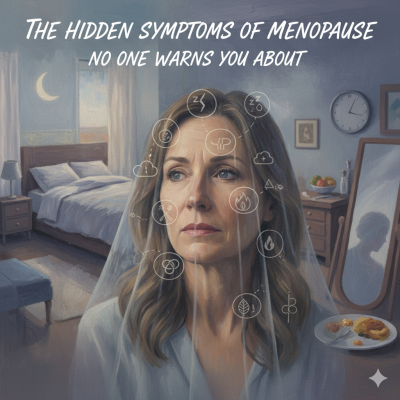
The Hidden Symptoms of Menopause No One Warns You About
-
Posted by Ellis Jhon Filed in Health #The Hidden Symptoms of Menopause #Burning Mouth Syndrome and Beyond #Insomnia Beyond Hot Flushes 128 views
Menopause marks a major stage in a woman’s life. Hot flushes, irregular periods, night sweats, and mood swings are symptoms that most people expect. Yet, what often goes unmentioned are the hidden symptoms of menopause—subtle, surprising, and sometimes confusing changes that can leave you wondering what is happening to your body. Recognising these lesser-known effects can help you feel more prepared and in control.
We will look closely at these hidden signs, explain why they happen, and share practical steps you can take to feel better. One such symptom, Burning Mouth Syndrome (BMS), is rarely talked about but can affect many women during and after menopause. You will also find clear explanations of other overlooked symptoms that impact oral health, skin, memory, digestion, and overall wellbeing.
Why Do Hidden Symptoms of Menopause Occur?
Oestrogen levels drop sharply during menopause. This hormone is vital for bone strength, cardiovascular protection, brain function, and maintaining moisture in the skin and mucous membranes. When levels decline, the body reacts in ways that are not always obvious.
While hot flushes are directly linked to hormonal shifts, hidden symptoms often arise due to a combination of hormonal changes, stress, ageing, and lifestyle factors. Because they are not as widely known, women may dismiss them or attribute them to other conditions. This can delay treatment and add to feelings of frustration.
Oral Health: Burning Mouth Syndrome and Beyond
One of the most overlooked effects of menopause is Burning Mouth Syndrome (BMS). This condition causes a burning, tingling, or scalding sensation in the tongue, lips, gums, or palate. For some women, the discomfort feels as if they have sipped a very hot drink.
Research suggests that declining oestrogen levels may reduce saliva production and alter taste perception. These changes can irritate nerve endings in the mouth, resulting in burning pain.
If you notice persistent dryness, altered taste, or a metallic sensation, it could point to BMS. Because this condition is frequently missed, many women continue to suffer in silence. Thankfully, there are practical options to help manage the symptoms. For example, a Burning Mouth Syndrome Natural Treatment approach might include lifestyle changes, stress reduction, and supportive therapies. Some women also benefit from using a Burning Mouth Syndrome Dietary Supplement containing nutrients like vitamin B12, zinc, or alpha-lipoic acid.
Natural approaches can be valuable in easing discomfort, which is why many people also explore Natural Remedies for Burning Mouth Syndrome that focus on soothing inflammation and supporting nerve health.
Skin Changes That Surprise You
Dry skin is expected during menopause, but hidden issues such as increased sensitivity, acne flare-ups, or rashes often surprise women. Collagen production falls sharply once oestrogen levels drop, leading to thinner, less elastic skin. Some women even report itching without any visible rash—a condition known as “menopausal pruritus.”
Simple steps like using fragrance-free moisturisers, staying hydrated, and protecting the skin from harsh soaps can help. In some cases, dermatological treatments are needed to manage more severe reactions.
Altered Taste and Smell
Another subtle change is a shift in how food and drinks taste or smell. This can feel unsettling and may affect your appetite. Some women report that favourite foods suddenly taste bitter, salty, or metallic.
Hormonal fluctuations affect the sensory pathways that link taste and smell with the brain. Reduced saliva and changes in oral tissues can make the problem worse. This is another reason why BMS and oral discomfort become more common at this stage.
Memory Lapses and Brain Fog
Forgetfulness and “brain fog” are often joked about, but they are genuine effects of menopause. You may misplace keys, forget names, or struggle to focus on tasks.
Oestrogen supports the hippocampus and frontal lobes of the brain—regions linked to memory and decision-making. Reduced hormone levels may temporarily affect concentration and recall. While frustrating, these changes usually improve with good sleep, exercise, and mental stimulation.
Digestive Troubles
Changes in gut health are often overlooked during menopause. Oestrogen helps regulate digestion and maintain the balance of gut bacteria. As hormone levels drop, you may notice bloating, indigestion, or constipation.
Additionally, stress and poor sleep during menopause can worsen gastrointestinal symptoms. Adding fibre-rich foods, staying active, and drinking enough water can support digestive health. In some cases, probiotics may be beneficial.
Joint Pain and Muscle Stiffness
Many women are caught off guard by aches and stiffness during menopause. Lower oestrogen affects cartilage and reduces the body’s natural anti-inflammatory protection. Joints may feel more rigid in the morning, and exercise recovery can take longer.
While some dismiss these issues as “just ageing,” the hormonal link is strong. Gentle exercises such as yoga, swimming, or walking can help keep joints flexible and reduce pain.
Insomnia Beyond Hot Flushes
While hot flushes at night are well-known for disrupting sleep, other hidden causes of insomnia during menopause include anxiety, restless legs, and increased sensitivity to noise. Poor sleep can then make other symptoms—like brain fog and irritability—feel worse.
Developing a calming evening routine, avoiding caffeine late in the day, and creating a cool, dark bedroom environment can help. If sleep problems persist, medical advice is recommended.
Changes in Heart Health Signals
Cardiovascular disease risk increases after menopause due to reduced oestrogen. What many women don’t expect are subtle symptoms, such as palpitations, mild breathlessness, or chest discomfort, which may appear years before any serious condition develops.
Monitoring blood pressure, cholesterol, and weight, alongside regular check-ups, can help protect long-term health. Recognising early warning signs is vital for prevention.
Emotional Shifts That Go Unnoticed
Mood swings are expected, but subtle emotional shifts such as increased irritability, lack of motivation, or feelings of detachment often catch women off guard. Some may confuse these changes with depression or anxiety alone, but they can be linked to hormone changes.
Talking with friends, seeking support from healthcare providers, and considering counselling can all help. Acknowledging these changes as part of menopause is the first step towards managing them.
Practical Steps for Coping with Hidden Symptoms
1. Track your symptoms – Keeping a daily diary helps you and your healthcare provider spot patterns.
2. Review diet and supplements – Nutritional gaps can worsen symptoms. In some cases, a Burning Mouth Syndrome Dietary Supplement or other targeted support may ease discomfort.
3. Stay active – Regular exercise supports bone, heart, and brain health.
4. Prioritise rest – Sleep hygiene is essential for coping with fatigue and brain fog.
5. Seek professional support – Do not ignore ongoing or worsening symptoms. Early advice can prevent small problems from becoming long-term issues.
Why Talking About Hidden Symptoms Matters
Silence around menopause often leaves women unprepared for what is happening to their bodies. Hidden symptoms—such as oral discomfort, unexpected skin changes, digestive troubles, or subtle emotional shifts—can impact quality of life as much as hot flushes.
By bringing these issues into the open, women gain the knowledge needed to seek help and find solutions. From trying a Burning Mouth Syndrome Natural Treatment to managing skin or joint changes, you have options that can make daily life more comfortable.
Final Thoughts
Menopause is more than hot flushes and mood swings. The hidden symptoms—such as Burning Mouth Syndrome, altered taste, memory lapses, digestive changes, and joint pain—often take women by surprise. While these issues can feel unsettling, practical strategies and supportive treatments exist to ease discomfort.
By recognising these signs early, you can take steps to protect your health and well-being during and after menopause. Remember: you are not alone, and help is available.