Categories
Tags
-
#Travel
#Perfume
#Technology
#Diving
#Computers
#ecommerce
#laptops
#gaming laptops
#Automobiles
#lifestyle
##Storage
#Kitchen Appliances
#self storage
#sustainability
#ayurveda
#best used cars
##legalservices
#homeappliancerepair
#Home Appliances
#best romantic resorts in maldives
#porcelain
#office space
#Fish and seafood processing
# travel
#coworking office space for rent
#"real estate"
##careers
#
responsible-travel
#freshseafood
##ecommerceonlinestore
#Maldives
#body perfume
##finance
##automotive
#home
#Water villas
##gaming
#Mobile phones
#License plates
#Civil lawyer
#Corporate medical test
Archives
Prepare your Boat, RV, or Trailer for Long Winter Storage
-
When the last leaves fall and that first real cold snap hits, you know it is time. Summer adventures are officially over, and your boat, RV, or trailer needs to be tucked away safely until spring returns. If you have been researching vehicle storage in Forrestdale or checking out storage near me prices, you are already on the right track. But before you hand over your keys or park your pride and joy for the season, there is work to be done. Proper preparation now will save you from unpleasant surprises and expensive repairs when warmer weather rolls around again.
The truth is, most damage to recreational vehicles happens during storage, not during use. Water freezes and expands, cracking engine blocks and plumbing systems. Rodents move in and make themselves comfortable, chewing through wiring and insulation. Tires develop flat spots. Batteries die. Fuel goes stale. The list goes on. But all of these problems are preventable if you take the time to do things right before you lock the door and walk away for months.
Getting Your Boat Ready for the Off-Season
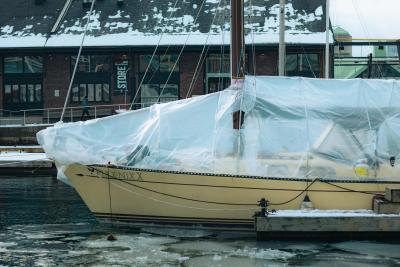
Let's start with boats, since they require some of the most detailed winterisation procedures. The biggest enemy here is water, which has an annoying habit of finding its way into places you did not even know existed. Start by giving your boat a thorough cleaning, inside and out. Remove all the sand, dirt, and salt residue that accumulated over the season. This is not just about appearances. Salt and grime can actually corrode surfaces over time, and you do not want to give them months to do their worst.
The engine needs special attention. If you have an inboard or stern-drive motor, you will need to flush the cooling system and add antifreeze designed for marine engines. This is not the same antifreeze you put in your car, so do not try to save money by using automotive coolant. Follow your owner's manual to the letter, because different engines have different requirements. For outboard motors, the process is a bit simpler, but you still need to flush out any salt water and make sure everything is properly lubricated.
Fuel stabiliser is your friend. Add it to a full tank of gas, then run the engine long enough for the treated fuel to circulate through the entire system. A full tank prevents condensation from forming inside, which can lead to water contamination and rust. Empty out the boat's plumbing system completely. Any water left in pipes, pumps, or the head can freeze and cause cracks that will not reveal themselves until you are back on the water next spring.
Remove all electronics, life jackets, cushions, and anything else that could attract moisture, mildew, or hungry rodents. Take home the fire extinguisher and have it inspected. Check the expiration dates on flares. Strip the boat down to the basics, leaving as little as possible to deteriorate over the winter months.
Winterising Your RV Takes Time and Care
RVs are like small homes on wheels, which means they have all the systems and potential problems of a house, plus the added complication of wheels, engines, and mobility. If you are looking into storage in Forrestdale or elsewhere, you might be tempted to just park it and forget it. Do not. An RV that sits neglected all winter can develop problems that cost thousands to repair.
Start with the water system. Just like with a boat, any water left in the lines can freeze and split pipes wide open. You will need to drain the fresh water tank, the water heater, and all the supply lines. Then pump RV antifreeze through the entire system. Do not forget the washing machine hookups if you have them, or the outdoor shower. Run antifreeze through every faucet, the toilet, and all the drain traps. It might seem excessive, but one missed connection can mean a very expensive spring repair bill.
The refrigerator should be emptied completely, cleaned thoroughly, and left open with a box of baking soda inside to absorb odours. Even if you think you got everything out, something always seems to hide in a back corner and turn into a science experiment by spring. Clean out all the cabinets while you are at it, because any food left behind will attract mice and insects.
Check your RV's roof for any cracks or gaps in the sealant. Water damage is the number one destroyer of RVs, and it usually starts with a small leak that goes unnoticed until it has caused major damage. Apply fresh sealant anywhere it looks worn or cracked. Your future self will thank you when you do not have to deal with water-stained ceilings and rotted wood.
The battery deserves attention too. If you are storing your RV where you have access to electricity, you can leave the battery connected to a trickle charger designed for long-term maintenance. Otherwise, remove the battery entirely, clean the terminals, and store it somewhere that will not freeze. A battery that freezes will likely be dead for good.
Cover the tires or at least move the RV occasionally if possible. When tires sit in one position for months, they can develop flat spots that make for a rough ride. If you can't move it, at least inflate the tires to the maximum recommended pressure to help prevent this problem. Some people put boards under the tires or use tire covers to protect them from UV damage and ground moisture.
Do not Forget About Your Trailer
Trailers might seem simpler than boats or RVs, but they still need proper preparation for winter storage. The wheel bearings should be inspected and repacked if needed. This is one of those maintenance tasks that is easy to put off, but bearing failure on the highway next summer could ruin your whole vacation. While you are down there, check the condition of the tires and the brake system.
If your trailer has lights, make sure they are all working properly, then disconnect the wiring harness, if possible, to protect it from corrosion. Give the trailer a good wash, paying special attention to the undercarriage where road salt and mud accumulate. That salt will happily eat away at your trailer's frame all winter if you let it.
Check the hitch and safety chains for any signs of wear or rust. Apply a light coat of grease to the ball mount and any other metal parts that might rust. If your trailer has a jack or stabilising legs, raise it slightly to take some weight off the tires. This helps prevent flat spots and reduces stress on the suspension.
Finding the Right Storage Solution
Once everything is properly winterised, you need to decide where to actually store your vehicle. When you start comparing self storage space near me options, you will quickly realise that not all storage facilities are created equal. Some offer nothing more than a parking space, while others provide covered or even indoor climate-controlled storage.
Outdoor storage is the most affordable option, but it leaves your vehicle exposed to the elements. Rain, snow, ice, and UV rays will all take their toll over time. A good quality cover can help, but it is not the same as having a roof over your vehicle. Covered storage protects against precipitation and sun damage while still allowing some air circulation. Indoor storage is the gold standard, especially if it is climate-controlled, but it also comes with a higher price tag.
Think about security too. Is the facility fenced and gated? Are there security cameras? Can you access your vehicle whenever you need to, or are there restricted hours? These details matter, especially if you have invested significant money in your recreational vehicle.
Final Checks Before You Walk Away
Before you finally lock up and leave your boat, RV, or trailer for the winter, do a final walk-around. Make sure all windows and vents are closed but not sealed completely airtight. You want some ventilation to prevent mildew and moisture buildup. Place moisture absorbers inside to help with this.
Take photos of your vehicle from all angles. This creates a record of its condition at the start of storage, which can be helpful for insurance purposes if anything happens. Make a note of the odometer reading if applicable. Document anything that needs attention or repair in the spring so you do not forget about it over the winter.
If possible, try to check on your stored vehicle at least once during the winter, especially after severe weather. Look for any signs of leaks, pest activity, or other problems that might be developing. Catching an issue early can prevent it from becoming a major disaster.
Worth the Effort
Yes, properly preparing your boat, RV, or trailer for winter storage takes time and effort. It is not the most exciting way to spend an afternoon. But think of it as an investment in many more years of enjoyment with your vehicle. The few hours you spend now will save you countless hours and dollars in repairs and restoration later. When spring arrives and you are ready to hit the water or the road again, you will be glad you took the time to do things right. Your well-maintained vehicle will start up smoothly, function properly, and be ready to create more memories, exactly as it should be.