Categories
Tags
-
#Travel
#Perfume
#Technology
#Diving
#Computers
#ecommerce
#laptops
#gaming laptops
#Automobiles
#lifestyle
##Storage
#Kitchen Appliances
#self storage
#sustainability
#ayurveda
#best used cars
##legalservices
#homeappliancerepair
#Home Appliances
#best romantic resorts in maldives
#porcelain
#office space
#Fish and seafood processing
# travel
#coworking office space for rent
#"real estate"
##careers
#
responsible-travel
#freshseafood
##ecommerceonlinestore
#Maldives
#body perfume
##finance
##automotive
#home
#Water villas
##gaming
#Mobile phones
#License plates
#Civil lawyer
#Corporate medical test
Archives
Modern Ceramics with a Traditional Soul: The Fusion of Old and
-
Walk into any contemporary home, and you will likely spot them: sleek ceramic pieces that somehow feel both cutting-edge and timeless. A vase with clean lines but a glaze that whispers of ancient kilns. Dinnerware that would look at home in a minimalist loft yet carries the weight of centuries-old craftsmanship. This beautiful contradiction defines modern ceramics—objects that honour their heritage while speaking fluently in today's design language. The marriage of royal porcelain techniques with contemporary aesthetics has created a movement that respects tradition without being trapped by it.
The ceramics world has always been a conversation between past and present, but never before has that dialogue been so intentional, so thoughtful. Today's ceramic artists and designers are not simply copying historical forms or rejecting them entirely. Instead, they are doing something far more interesting: they are translating the soul of traditional pottery into a visual vocabulary that resonates with modern sensibilities.
The Weight of History in Your Hands
Traditional ceramics carried meaning beyond their function. A teapot was not just a vessel for brewing; it was a statement about refinement, about taking time in a world that had plenty of it. The patterns told stories—dragons for power, flowers for seasons, geometric designs for harmony and balance. Every curve, every glaze choice, every firing technique was steeped in accumulated wisdom passed down through generations of potters who understood clay in their bones.
This depth has not disappeared from contemporary work; it is simply been reinterpreted. Modern ceramic artists often spend years studying traditional techniques—apprenticing in workshops, learning to mix glazes from mineral compounds, understanding how different clays respond to fire. They master the throwing wheel with the same dedication their predecessors showed centuries ago. But then they ask themselves: what happens if we take this knowledge and push it somewhere new?
The answer is remarkable. You get pieces that carry technical excellence and historical resonance while looking utterly fresh. A contemporary artist might use traditional Japanese raku firing techniques but apply them to sculptural forms that reference digital pixels. Another might master the delicate translucency of fine porcelain only to create pieces with deliberately rough, unfinished edges that celebrate the imperfections our ancestors worked so hard to eliminate.
When Ancient Techniques Meet Modern Aesthetics
The fusion begins in the studio, where old and new technologies sit side by side. A potter might throw a form on a centuries-old style wheel, then refine it using 3D modelling software to perfect proportions. Traditional saggar firing methods, where pieces are enclosed in protective containers with combustible materials, are being used to create surface effects that look surprisingly contemporary—organic, unpredictable, impossible to replicate exactly.
Glazes present another fascinating intersection. Many modern ceramicists are reviving ancient glaze recipes that had been lost or forgotten, recreating the luminous celadons of Song Dynasty China or the deep copper reds that required precise kiln atmospheres. But they are applying these historical glazes to forms that would baffle a craftsperson from the past. The result feels both familiar and alien, comfortable yet challenging.
The Japanese philosophy of wabi-sabi—finding beauty in imperfection and impermanence—has found new life in contemporary ceramics. While traditional wabi-sabi appeared in tea ceremony bowls with their subtle irregularities, modern interpretations might embrace dramatic cracks, drastic asymmetry, or surfaces that look almost eroded by time. These pieces honour the spirit of wabi-sabi while taking its principles to places that would have seemed radical in a traditional tea house.
Bridging the Gap Between Function and Art
One of the most exciting aspects of this fusion is how it is blurring the line between functional pottery and fine art. A set of dinner plates might be perfectly practical for everyday use while displaying such artistic merit that they deserve display when not in use. This dual nature makes modern ceramics particularly meaningful in our homes—they are not precious objects locked behind glass, nor are they purely utilitarian items we take for granted.
This quality makes ceramics increasingly popular for meaningful gifts. Companies seeking distinctive corporate gifts in Sri Lanka and elsewhere are discovering that carefully chosen ceramic pieces convey thoughtfulness in ways that generic corporate offerings cannot. A handcrafted bowl that merges traditional craftsmanship with contemporary design speaks to values of quality, attention to detail, and cultural appreciation.
Similarly, people searching for the best housewarming gifts are moving away from mass-produced items toward ceramics that tell a story. A modern vase with traditional thrown-pottery techniques becomes more than decoration; it is a piece that connects the past with the present, that brings warmth and authenticity into a new home. These are not impulse purchases but considered choices that reflect the giver's taste and the recipient's worth.
The wedding gift landscape has shifted too, with couples increasingly appreciating items that combine beauty with utility. Those browsing wedding gifts online are discovering ceramic collections that offer heirloom quality without historical stiffness—dinnerware that can transition seamlessly from casual breakfasts to elegant dinner parties, pieces that feel special without being intimidating or overly formal.
The Makers Behind the Movement
Behind every piece in this modern-traditional fusion are ceramicists who've chosen a deliberately challenging path. They could work purely in conventional styles with established markets, or they could create entirely contemporary pieces disconnected from pottery's history. Instead, they have committed to the harder work of synthesis.
Many of these artists have fascinating origin stories. Some grew up in families of traditional potters and felt compelled to honour that heritage while finding their own voices. Others came to ceramics after careers in completely different fields, bringing fresh perspectives unburdened by assumptions about what pottery "should" be. Still others travelled extensively, studying traditional techniques in their countries of origin before bringing that knowledge home to inform new work.
What unites them is a deep respect for their medium. They understand that clay is ancient—literally, formed over millions of years—and that working with it connects them to an unbroken chain of human creativity stretching back to our earliest ancestors. This awareness infuses their work with gravity even when the forms themselves are playful or experimental.
Living with Fusion Ceramics
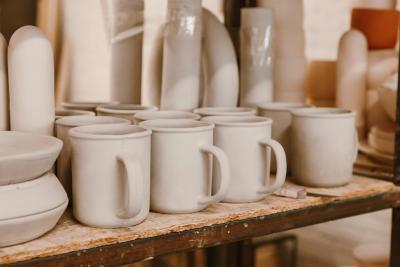
Incorporating these pieces into daily life changes how we experience our spaces. A dining table set with ceramics that merge old and new becomes a conversation starter, prompting questions about origins, techniques, and meaning. Unlike purely decorative objects, these functional pieces integrate into daily rituals—the morning coffee in a handmade mug, the evening meal on distinctive plates—creating moments of appreciation throughout ordinary days.
The tactile quality matters immensely. Picking up a cup and feeling the slight variations in thickness, the texture of the glaze, the weight that comes from solid construction—these sensory experiences ground us in physicality. In an increasingly digital world, objects that carry the marks of their making offer a different kind of connection, one that requires touch and attention rather than just visual consumption.
Collectors of these pieces often describe developing relationships with them over time. A bowl might reveal new subtleties in different lighting, or gain meaning through association with particular meals or gatherings. Unlike mass-produced items that remain static, handcrafted ceramics seem to develop character through use, their slight imperfections becoming familiar friends rather than flaws.
The Future of Tradition
This fusion of old and new is not a passing trend but an evolution in how we think about craft, heritage, and contemporary life. As more people seek authenticity and connection in their material possessions, ceramics that honour traditional wisdom while embracing modern expression offer exactly what's needed. They prove that respecting the past does not mean being trapped by it, and that innovation does not require abandoning everything that came before.
The most exciting aspect might be how accessible this movement has become. While museum-quality pieces exist, the broader embrace of traditional-modern fusion means beautiful, thoughtfully made ceramics are increasingly available at various price points. Young ceramicists are building careers around this aesthetic, supported by communities that value their work enough to pay prices that reflect the skill and time invested.
Looking ahead, we will likely see even more interesting intersections. As sustainability becomes increasingly important, traditional clay-working methods—which typically use local materials and time-tested, low-impact processes—offer lessons for contemporary practice. The slow, deliberate nature of ceramic work stands as a quiet rebellion against disposable culture and instant gratification.
Modern ceramics with traditional souls remind us that the best way forward often involves bringing wisdom from the past along for the journey. In objects that combine the refined techniques of royal porcelain with bold contemporary vision, we find not just beautiful things to use and enjoy, but tangible evidence that heritage and innovation can not only coexist but enhance each other. These pieces teach us, one cup and bowl at a time, that honouring where we have been and embracing where we are going are not contradictory impulses—they are two parts of the same creative spirit that has always defined our relationship with clay, fire, and form.