Categories
Tags
-
#energy
#strategy
#fitness
#Travel
#adventure
#swimming
#skills
#training
#sports
#Health
#Sleep
#Challenge
#Friendship
#Motivation
#Volleyball
#recovery
#Nutrition
#hiking
#basketball
#supplements
#personal growth
#protein
#gym
#hydration
#mental health
#wellness
#camping
#shooting
#prediction
#strength training
#digestion
#Mountain Biking
#Travel adventures
#gut health
#Sports Community
#Cycling
#Personal Training
#Surfing
#World Travel
#Daily nutrition
#equipment
#Esports
#competition
#Performance
#Sports performance
#walking
#Outdoor Sports
#running
#Fitness Goals
#Sports Nutrition
#technique
#Water Sports
#Fitness Journey
#outdoor adventure
#gaming community
#Outdoor Recreation
#humility
#fear
#Outdoor Adventures
#mindfulness
#Adventure Travel
#mentality
#Mountain exploration
#Micronutrients
#performance optimization
#ocean
#Confidence
#group travel
#Resilience
#mindset
#Healthy Eating
#Road Trips
#team sports
#camaraderie
#competitive gaming
#mental toughness
#gaming tournaments
#athlete mindset
#rock climbing
#personal challenge
#fitness mindset
#exploration
#athletic performance
#rest
#gym workouts
#fitness motivation
#personal transformation
#exercise consistency
#extreme sports
#adrenaline
#limits
#thrill-seeking
#outdoor exploration
#bucket list
#thrill seeking
#mountain climbing
#sports tips
#fitness fuel
#training diet
#sports science
#athletic recovery
#rest and recovery
#marathon training
#endurance sports
#competitive spirit
#athletic growth
#adventure sports
#fitness challenges
#community
#wilderness
#endurance
#trail
#pushing limits
#living fully
#teamwork
#dedication
#mental performance
#level up
#fitness training
#discipline
#gym training
#ocean adventure
#wave riding
#training recovery
#ocean training
#solo training
#group rides
#bike setup
#road cycling
#bike commuting
#urban riding
#daily training
#gravel cycling
#adventure bikes
#off-road riding
#cycling exploration
#climbing
#cycling training
#training philosophy
#fitness transformation
#endurance training
#winter cycling
#cold weather training
#bike fitness
#nervous system
#open water
#athletic challenge
#cross-training
#courage
#night training
#fitness breakthrough
#wipeouts
#dawn patrol
#early morning training
#ocean fitness
#ball handling
#midrange game
#fundamentals
#skill development
#shooting technique
#footwork
#defense
#competitive training
#cultural connection
#self-discovery
#messengers
#urban biking
#overcoming obstacles
#cycling technique
#cadence training
#endurance fitness
#pedal efficiency
#injury prevention
#leg strength
#muscle development
#performance gains
#fitness science
#commute
#distance training
#lateral movement
#pool training
#athletic development
#cold water swimming
#open water training
#swimming challenges
#sprint swimming
#athletic adaptation
#high intensity intervals
#flip turns
#athletic training
#pool workouts
#solo swimming
#athletic motivation
#water fitness
#solo travel
#distance running
#nutrition strategy
#race fueling
#race preparation
#pace groups
#race strategy
#running community
#base building
#aerobic fitness
#running foundation
#running strategy
#compound lifts
#gym motivation
#consistency over intensity
#strength building
#personal discipline
#gym fitness strength training adaptation progressi
#fitness metrics
#progressive overload
#fitness fundamentals
#form and technique
#muscle gain
#gym routine
#fitness strategy
#training strategy
#rest days
#inflammation management
#fitness optimization
#training balance
#active recovery
#burnout prevention
#training methodology
#body adaptation
#training adaptation
#body awareness
#ocean sports
#adaptation
#progression
#cold water
#travel adventure
#getting lost
#altitude
#authentic experiences
#risk taking
#border crossing
#travel mindset
#transformative travel
#competitive athletics
#group competition
#pre-workout fuel
#body performance
#carbohydrate timing
#post-workout recovery
#fitness recovery
#electrolytes
#training optimization
#lineup mentality
#surfing skills
#surfing progression
#double sessions
#wave strategy
#fitness gains
#real food
#endurance fuel
#workout performance
#glycogen
#fuel strategy
#fitness habits
#mineral deficiency
#whole foods
#nutrition basics
#food quality
#performance fuel
#health optimization
#fueling
#body composition
#carbs
#athlete performance
#training fuel
#hydration strategy
#competitive edge
#carb cycling
#training fueling
#endurance racing
#psychological preparation
#endurance running
#distance racing
#running fitness
#recovery cycles
#backcountry camping
#hiking adventures
#mountain travel
#wilderness challenge
#backcountry
#camping strategy
#hiking tips
#outdoor gear
#basecamp
#wilderness adventure
#solo hiking
#backcountry adventure
#trail fitness
#gear obsession
#trail running
#night hiking
#trail training
#outdoor skills
Archives
THE SUPPLEMENT TRAP: WHY YOUR EXPENSIVE BOTTLES ARE COSTING YOU REAL GAINS
-
Posted by Jake Rivera Filed in Sports #supplements #Sports Nutrition #athletic performance #fitness gains #real food 23 views
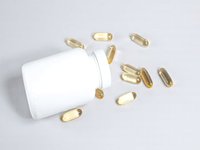
I spent two grand on supplements last year. Two thousand dollars. Protein powders, amino acid complexes, creatine, beta-alanine, adaptogens, recovery formulas, pre-workout blends that tasted like battery acid and cost more than a decent meal. I had a cabinet that looked like a pharmacy. My friends would joke that I was running a supplement store out of my garage. And you know what the worst part was? I wasn't getting any stronger. My performance had plateaued. I was actually slower in the water and more fatigued on the mountain bike trails than I'd been the year before.
The turning point came when I got serious about tracking what I actually ate versus what I was taking in pill and powder form. I realized I was using supplements as a crutch to avoid doing the hard nutritional work. I'd slam a pre-workout drink before a session but skip breakfast because I was running late. I'd take a recovery formula after a workout but then go home and eat processed garbage because I was starving and didn't want to cook. The supplements weren't the problem. My delusion that they could compensate for lazy eating was the real issue.
Here's what I learned: supplements are exactly what the name says. They supplement. They fill gaps. They don't build the foundation. The foundation is real food. Actual chicken breast and eggs and rice and vegetables and fruit. That's where the magic happens. That's what your body recognizes and knows how to use. When you nail your real nutrition first, then maybe, just maybe, a few strategic supplements make sense. But if your diet sucks, no amount of fancy powder is going to save you.
I started an experiment. I cut out everything except one quality protein powder for post-workout smoothies. I focused obsessively on eating real food throughout the day. I hit my protein targets, my carbs, my fats through actual meals. I added vegetables to everything. I drank water like it was going out of style. Within six weeks, I felt different. Stronger in the water. Faster on my climbs. My recovery improved. My energy was more stable. And I was spending a fraction of what I used to on supplements.
The crazy thing is that once I understood real nutrition, I realized I didn't need most of what I was taking. My body doesn't care if protein comes from a fancy optimized formula or from grilled salmon and sweet potatoes. It breaks it down either way. The supplement companies don't want you to understand this because it's way less profitable for them if everyone just ate better. But your performance will spike harder from fixing your actual diet than from any new supplement on the market.
Don't get me wrong. I'm not saying supplements are worthless. A good post-workout protein shake saves time. Creatine has legitimate research behind it. If you're competing at a high level, certain things can matter. But here's the thing: you can't out-supplement a bad diet. You just can't. And if you're spending hundreds of dollars a month on bottles and powders while your actual meals are mediocre, you're throwing money into the ocean.
The real competitive advantage isn't in your supplement cabinet. It's in your discipline around actual food. It's in meal prepping on Sunday. It's in saying no to convenience food and yes to cooking chicken and rice. It's in building the habit of eating vegetables even when nobody's watching. That's where the gains come from. That's where the difference between good athletes and great athletes lives.
I keep one protein powder now and that's it. Everything else comes from food. My performance is better. My wallet is thicker. My energy is more stable. I'm not constantly chasing the next miracle supplement that promises 5 percent more gains. I'm just eating like someone who respects their body should eat, and the results speak for themselves.
Stop looking for shortcuts in your supplement stack. Start looking in your kitchen. What does your actual daily nutrition really look like when you're honest about it? Are you building on a solid food foundation or just trying to patch holes with powders?