Categories
Tags
-
#energy
#strategy
#fitness
#Travel
#adventure
#swimming
#skills
#training
#sports
#Health
#Sleep
#Challenge
#Friendship
#Motivation
#Volleyball
#recovery
#Nutrition
#hiking
#basketball
#supplements
#personal growth
#protein
#gym
#hydration
#mental health
#wellness
#camping
#shooting
#prediction
#strength training
#digestion
#Mountain Biking
#Travel adventures
#gut health
#Sports Community
#Cycling
#Personal Training
#Surfing
#World Travel
#Daily nutrition
#equipment
#Esports
#competition
#Performance
#Sports performance
#walking
#Outdoor Sports
#running
#Fitness Goals
#Sports Nutrition
#technique
#Water Sports
#Fitness Journey
#outdoor adventure
#gaming community
#Outdoor Recreation
#humility
#fear
#Outdoor Adventures
#mindfulness
#Adventure Travel
#mentality
#Mountain exploration
#Micronutrients
#performance optimization
#ocean
#Confidence
#group travel
#Resilience
#mindset
#Healthy Eating
#Road Trips
#team sports
#camaraderie
#competitive gaming
#mental toughness
#gaming tournaments
#athlete mindset
#rock climbing
#personal challenge
#fitness mindset
#exploration
#athletic performance
#rest
#gym workouts
#fitness motivation
#personal transformation
#exercise consistency
#extreme sports
#adrenaline
#limits
#thrill-seeking
#outdoor exploration
#bucket list
#thrill seeking
#mountain climbing
#sports tips
#fitness fuel
#training diet
#sports science
#athletic recovery
#rest and recovery
#marathon training
#endurance sports
#competitive spirit
#athletic growth
#adventure sports
#fitness challenges
#community
#wilderness
#endurance
#trail
#pushing limits
#living fully
#teamwork
#dedication
#mental performance
#level up
#fitness training
#discipline
#gym training
#ocean adventure
#wave riding
#training recovery
#ocean training
#solo training
#group rides
#bike setup
#road cycling
#bike commuting
#urban riding
#daily training
#gravel cycling
#adventure bikes
#off-road riding
#cycling exploration
#climbing
#cycling training
#training philosophy
#fitness transformation
#endurance training
#winter cycling
#cold weather training
#bike fitness
#nervous system
#open water
#athletic challenge
#cross-training
#courage
#night training
#fitness breakthrough
#wipeouts
#dawn patrol
#early morning training
#ocean fitness
#ball handling
#midrange game
#fundamentals
#skill development
#shooting technique
#footwork
#defense
#competitive training
#cultural connection
#self-discovery
#messengers
#urban biking
#overcoming obstacles
#cycling technique
#cadence training
#endurance fitness
#pedal efficiency
#injury prevention
#leg strength
#muscle development
#performance gains
#fitness science
#commute
#distance training
#lateral movement
#pool training
#athletic development
#cold water swimming
#open water training
#swimming challenges
#sprint swimming
#athletic adaptation
#high intensity intervals
#flip turns
#athletic training
#pool workouts
#solo swimming
#athletic motivation
#water fitness
#solo travel
#distance running
#nutrition strategy
#race fueling
#race preparation
#pace groups
#race strategy
#running community
#base building
#aerobic fitness
#running foundation
#running strategy
#compound lifts
#gym motivation
#consistency over intensity
#strength building
#personal discipline
#gym fitness strength training adaptation progressi
#fitness metrics
#progressive overload
#fitness fundamentals
#form and technique
#muscle gain
#gym routine
#fitness strategy
#training strategy
#rest days
#inflammation management
#fitness optimization
#training balance
#active recovery
#burnout prevention
#training methodology
#body adaptation
#training adaptation
#body awareness
#ocean sports
#adaptation
#progression
#cold water
#travel adventure
#getting lost
#altitude
#authentic experiences
#risk taking
#border crossing
#travel mindset
#transformative travel
#competitive athletics
#group competition
#pre-workout fuel
#body performance
#carbohydrate timing
#post-workout recovery
#fitness recovery
#electrolytes
#training optimization
#lineup mentality
#surfing skills
#surfing progression
#double sessions
#wave strategy
#fitness gains
#real food
#endurance fuel
#workout performance
#glycogen
#fuel strategy
#fitness habits
#mineral deficiency
#whole foods
#nutrition basics
#food quality
#performance fuel
#health optimization
#fueling
#body composition
#carbs
#athlete performance
#training fuel
#hydration strategy
#competitive edge
#carb cycling
#training fueling
#endurance racing
#psychological preparation
#endurance running
#distance racing
#running fitness
#recovery cycles
#backcountry camping
#hiking adventures
#mountain travel
#wilderness challenge
#backcountry
#camping strategy
#hiking tips
#outdoor gear
#basecamp
#wilderness adventure
#solo hiking
#backcountry adventure
#trail fitness
#gear obsession
#trail running
#night hiking
#trail training
#outdoor skills
Archives
MOUNTAIN TOWNS AT 10,000 FEET: WHY ALTITUDE CHANGES YOUR RELATIONSHIP WITH SPEED
-
Posted by Jake Rivera Filed in Recreation #Travel #adventure #mindfulness #Mountain exploration #altitude 42 views
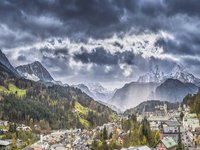
I used to think travel was about checking boxes. Fly in, hit the landmarks, get the Instagram shot, fly out. Fast. Efficient. Dead inside. Then I spent three weeks in the mountain towns of Colorado and Bolivia, and everything I thought I knew about adventure got completely inverted.
The game changer? Going slow. Intentionally slow. The kind of slow that forces your body to adapt, your mind to settle, and your soul to actually show up.
When you push altitude, you can't rush. Your cardiovascular system won't let you. I landed in La Paz at 12,500 feet and tried to do exactly what I do at sea level. Walked fast, climbed stairs like it was nothing, acted invincible. My body shut that down in about twenty minutes. Headache hit like a sledgehammer. Lungs felt like they were breathing through a coffee filter. Legs turned to concrete. That's when the lesson started.
I had to surrender to the elevation. Not as weakness, but as information. My body was telling me something crucial: this environment demands respect and adaptation. So I slowed down. I hiked less distance but more intentionally. I spent entire afternoons in small cafes watching the town move around me. I talked to locals, learned their stories, understood how they live at altitude like it's the most natural thing in the world.
Something wild happened when I stopped fighting the pace. Details emerged. I noticed the way light hits the mountains at certain times. I discovered a tiny climbing gym run by a guy named Carlos who became one of my closest travel friends. I found trails that tourists with energy drinks and aggressive itineraries completely miss. I felt genuinely connected to the places instead of just passing through them.
Then I moved to the Colorado Rockies and tested this approach at 9,000 feet. Same principle. Instead of running aggressive day trips and circuit training my way through national parks, I picked one region and stayed there. I rock climbed with purpose. I hiked peaks slowly, listening to my breathing, feeling the adaptation happening in real time. I mountain biked trails that demanded focus instead of speed. Every single activity became about presence, not performance metrics.
Here's what blew my mind: I experienced more adventure, saw more incredible things, and pushed my limits further by going slower. Counterintuitive as hell, but it's true. When you're not in constant sprint mode, you notice the micro-adventures. The unexpected weather patterns. The wildlife encounters. The conversations with other travelers that change your perspective. The personal breakthroughs that happen when your nervous system finally settles into a new environment.
Altitude teaches you that adventure isn't about how many destinations you conquer. It's about how deeply you engage with the ones you actually reach. It's about letting the journey reshape you instead of reshaping the journey to fit your ego.
This isn't about being lazy or losing your competitive edge. This is about understanding that sometimes the most intense travel experiences come from strategic patience, not constant motion.
What part of your life could you slow down to actually experience more fully?