From Farm to Floor: The Art of Jute Rug Crafting
-
Posted by Imaco Rugs Filed in Other #modern rugs #jute rugs #eco-friendly rugs #sustainable home decor #natural fiber rugs #traditional rugs #home decor trends #jute rug benefits #biodegradable rugs #eco-conscious home 132 views
Introduction
Jute rugs are beautiful, natural, and eco-friendly pieces that bring warmth and texture to any space. These rugs are made from the fibers of the jute plant, a renewable resource that has been used for centuries to create various products. The process of crafting jute rugs is a fascinating journey, starting from the farm and ending up on the floor of a home. In this blog, readers will learn about how jute rugs are made, from harvesting the plant to weaving it into a rug, and why these rugs are such a great addition to any home.
The Journey of Jute: From Farm to Fiber
Harvesting the Jute Plant
The journey of creating a jute rug begins in the fields where jute is grown. Jute plants thrive in warm, tropical climates, and they grow quickly, often reaching maturity in about 4 to 6 months. Farmers harvest the jute by cutting the plants down when they are ready. This is done carefully to ensure that the long fibers inside the plant can be extracted. After the plants are harvested, they are bundled together and soaked in water for several days. This soaking process helps to soften the fibers and makes them easier to separate.
Extracting the Jute Fiber
Once the jute plants have been soaked, the fibers are separated from the stalks. This process is called "decortication." The fibers are carefully stripped from the plant and then washed to remove any dirt or impurities. After cleaning, the fibers are dried and prepared for the next stage of production. At this point, the jute fibers are soft, long, and ready to be spun into threads. These threads are the building blocks of the jute rug, and their strength and texture will determine the quality of the final product.
Weaving the Jute Threads into Rugs
Spinning the Threads
Once the jute fibers are prepared, they are spun into yarn. Spinning is an essential part of the process, as it helps to turn the individual fibers into a strong and durable thread. The threads are often dyed to add color, although many jute rugs are left in their natural, earthy tones. The spinning process can be done by hand or by machine, depending on the manufacturer. Handmade jute rugs are often considered more valuable because of the care and craftsmanship involved in the spinning process.
Weaving the Rug
After the jute threads are spun, the weaving process begins. This is where the art of rug-making truly comes to life. The threads are woven into a rug on a loom, with skilled artisans carefully arranging the fibers to create intricate patterns or simple designs. The loom helps to keep the threads tight and aligned, ensuring that the rug is both durable and aesthetically pleasing. Depending on the design, the weaving process can take several days to complete.
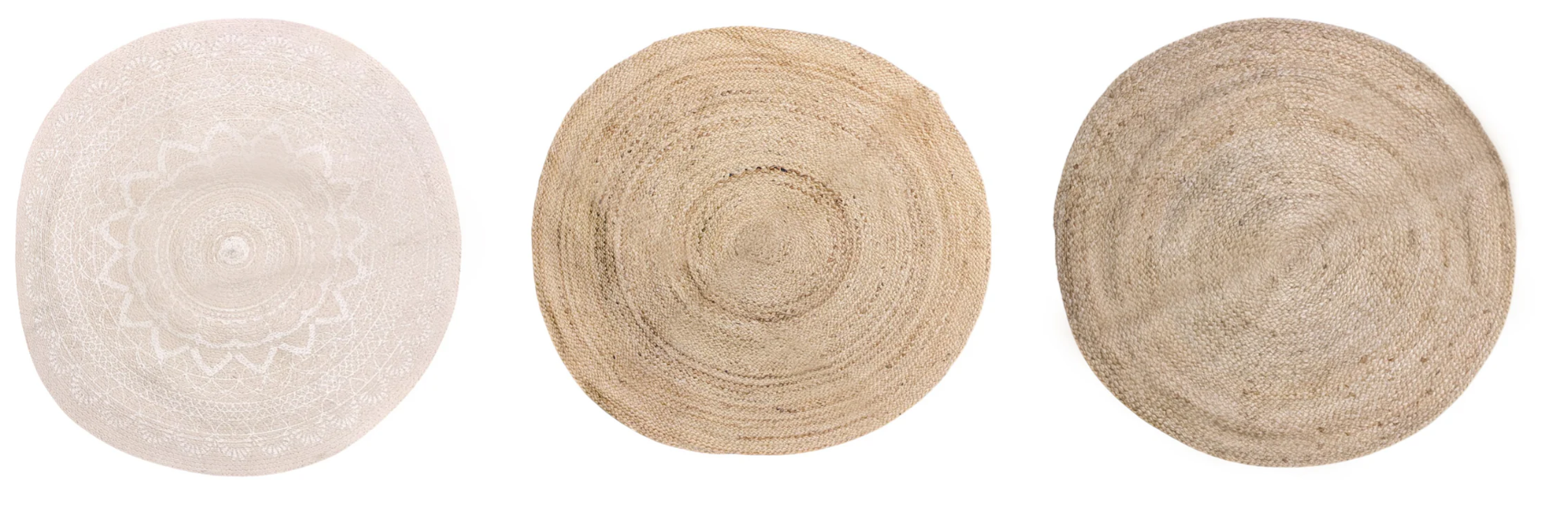
Jute rugs come in many different designs, from simple and neutral to bold and patterned. Some rugs feature a flatweave design, while others may have a more textured surface. The weaving method can vary based on the desired outcome, but the goal is always to create a rug that is both functional and beautiful. After the weaving is complete, the rug is trimmed and finished to remove any loose threads.
The Beauty of Jute Rugs in Your Home
Durability and Sustainability
Jute rugs are not only beautiful but also incredibly durable. The jute fibers are naturally strong, which means that jute rugs can withstand heavy foot traffic and daily use. They are perfect for high-traffic areas like living rooms, hallways, and dining rooms. Moreover, jute rugs are eco-friendly, as they are made from a renewable resource and are biodegradable. This makes them a great choice for those who want to decorate their homes in a sustainable way.
Jute rugs are also versatile. Their natural colors and textures make them easy to incorporate into various interior design styles, from bohemian to modern. Whether placed in a cozy living room, a sunlit bedroom, or a stylish office, a jute rug can enhance the overall look of the space. The natural fibers give a warm and inviting feel to any room, creating a calm and relaxed atmosphere.
Care and Maintenance
Caring for a jute rug is simple and easy. To keep it looking its best, it’s important to vacuum it regularly to remove dirt and dust. Jute rugs should also be rotated periodically to ensure even wear. Since jute is naturally resistant to stains, it’s easy to spot-clean any spills using mild soap and water. However, jute rugs should not be exposed to too much moisture, as this can cause the fibers to break down. It’s also a good idea to avoid placing jute rugs in areas that get too much direct sunlight, as this can cause the color to fade over time.
Jute rugs are built to last, and with proper care, they can remain beautiful for many years. Their natural fibers only get softer and more comfortable with time, making them an even better addition to any home as they age.
Conclusion
Jute rugs are a wonderful way to bring natural beauty and sustainability into your home. From the farm to the floor, the process of crafting jute rugs is an intricate art that combines tradition and craftsmanship. The durability, versatility, and eco-friendliness of these rugs make them an excellent choice for any room. Whether you are looking for a stylish accent or a practical addition to your home, jute rugs offer both form and function. With simple care and maintenance, these rugs will continue to enhance your space for years to come.
Choosing a jute rug not only adds beauty to your home but also supports sustainable practices and eco-friendly living. As more people become aware of the environmental impact of their purchases, jute rugs stand out as a responsible and stylish choice.