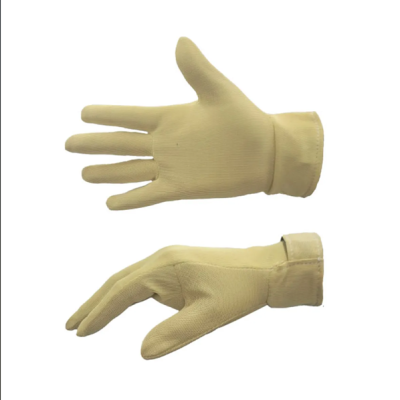
Specialized Gear: The 2-Finger Model and Nitrile Gloves
-
In the world of animal research, the smallest details can make the biggest difference. Standard PPE often overlooks the specific needs of those handling small rodents. Utilizing nitrile gloves specifically designed for tactile feedback is the first step in improving lab safety and animal comfort during routine handling and procedures.
Advanced Protection Beyond Basic Nitrile Gloves
Most off-the-shelf gloves are designed for general medical use, not for the rigors of animal handling. The Tactile Plus range is different because it focuses on the "gap in the market"—specifically mice, rats, and ferrets. These gloves provide the puncture resistance needed to prevent injuries from small, sharp teeth without being bulky.
The Innovation of Finger Gloves for Mice Handling
When handling a mouse, you primarily use your thumb and forefinger. Specialized finger gloves like the 2-Finger Tactile Plus allow for this specific movement while leaving the rest of the hand uncovered. This increases airflow and comfort for the handler while providing a high-strength shield exactly where it is needed most.
Benefits for Infant Primate and Ferret Care
Infant primates and ferrets are highly active and require a gentle but firm touch. The 2-Finger design allows the handler to feel the animal's body and movements much better than a traditional glove. This leads to a calmer animal and a much more successful handling experience for the researcher or veterinarian.
-
Optimized for delicate grasping tasks.
-
Reduced material waste in the lab.
-
Increased precision for micro-procedures.
-
Durable enough for multiple uses.
Integrating Needlestick Resistance with Tri-Point Technology
The Tri-Point glove is another essential piece of the safety puzzle. It is designed to prevent accidental needle pricks, which are a constant hazard in research environments. By providing a dedicated tool for injections, Catch Glove ensures that researchers are protected from both biological bites and accidental needle exposure.
-
Identify the high-risk zones of the task.
-
Use 2-finger models for restraint.
-
Switch to Tri-Point for injections.
Conclusion
Modern research demands modern solutions. Moving away from generic gloves toward specialized equipment like the Tactile Plus series is a move toward better science. Whether you are working with mice, rats, or infant primates, the right hand protection ensures that your focus remains on the research, not on the risk of injury.
-