
Elevating vehicle dynamics accuracy through polymer testing
-
Posted by Hasetri Tyres Filed in Other #rubbertestinglab #nvhtesting #vehicledynamics #polymertesting 164 views
Accurate and predictable handling is a defining measure of vehicle quality. Achieving this level of precision depends not only on mechanical layout but also on how materials behave under real operating conditions. Polymer components such as bushings, mounts, and isolators sit at critical interfaces where forces are transmitted and controlled. Advanced polymer testing ensures that these materials perform consistently, providing a stable foundation for precise vehicle dynamics and overall refinement.
As development cycles become shorter and performance targets more demanding, material driven accuracy has become essential for modern vehicle programs.
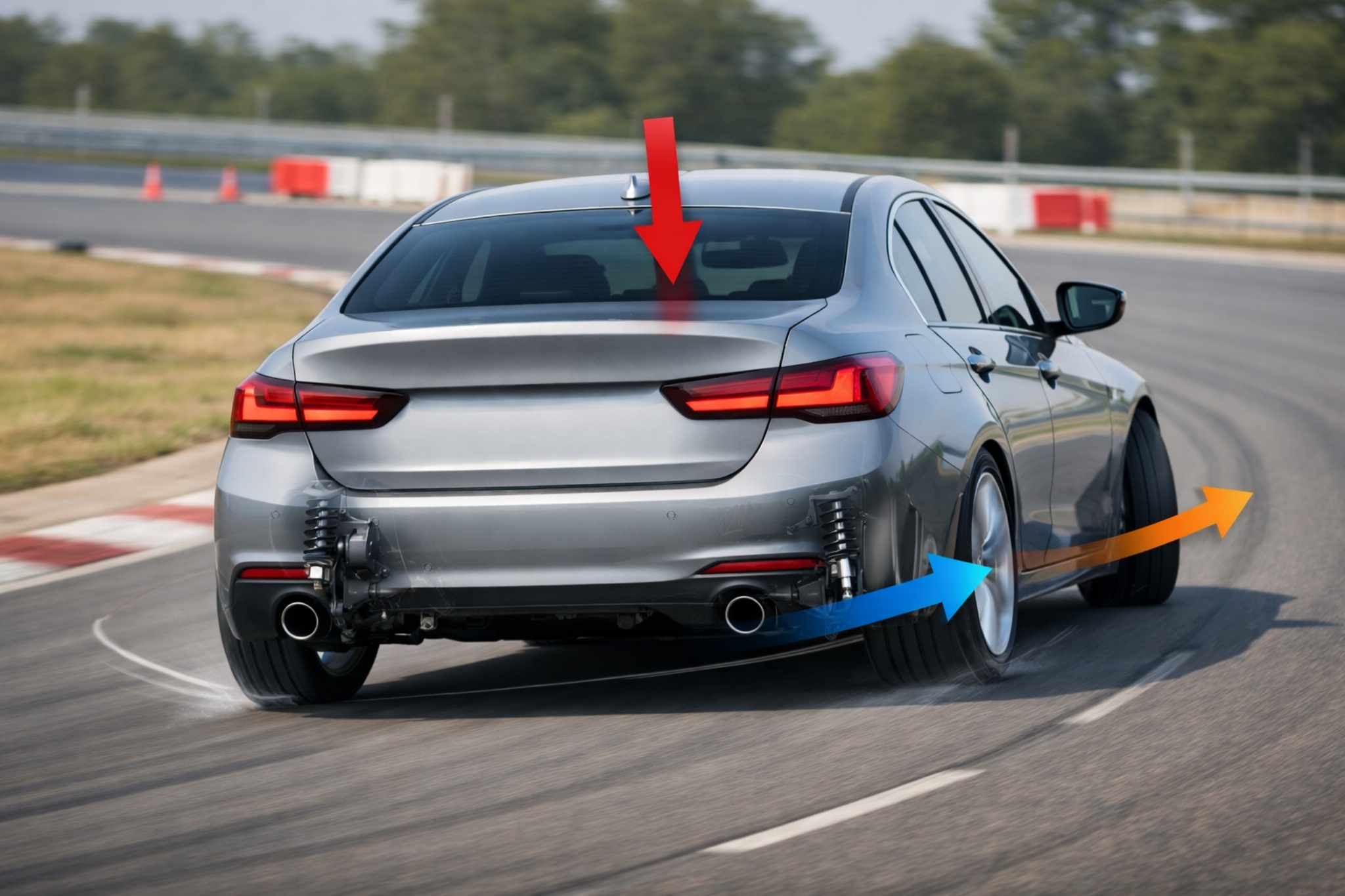
Understanding Polymer Behavior Under Dynamic Conditions
Polymers differ significantly from metals due to their viscoelastic nature. Their stiffness and damping characteristics change with frequency, temperature, and load amplitude. These variations directly influence how forces are absorbed or transmitted through suspension and chassis systems. Without accurate characterization, dynamic behavior predicted during design may not match real world performance.
Advanced polymer testing captures these dependencies through controlled laboratory methods. This detailed understanding allows engineers to define realistic material models that support accurate dynamic analysis and reliable NVH testing results.
Linking Polymer Properties to Vehicle Dynamics Performance
The relationship between material behavior and vehicle dynamics is tightly connected. Polymer components influence steering response, ride comfort, and load transfer by controlling compliance within the system. Even small deviations in material stiffness can alter handling balance and stability.
When validated polymer data is integrated into vehicle dynamics simulations, engineers gain better correlation between predicted and measured behavior. This alignment allows tuning decisions to be made earlier and with greater confidence, reducing reliance on late stage adjustments during NVH testing and road evaluation.
Role of Polymer Testing Labs in Data Reliability
A dedicated polymer testing lab provides the controlled environment necessary to generate accurate and repeatable material data. These labs conduct dynamic mechanical analysis, compression and shear testing, fatigue evaluation, and environmental conditioning. Each test reveals how polymers respond under conditions that closely resemble real vehicle operation.
Data generated in a polymer testing lab becomes a trusted input for both simulation and validation activities. Reliable material data improves consistency across vehicle dynamics analysis and NVH testing, strengthening overall development accuracy.
Enhancing Correlation Between Simulation and Physical Validation
One of the key challenges in vehicle development is achieving strong correlation between simulation predictions and physical test results. Inaccurate material assumptions often lead to discrepancies that appear late in the program. Advanced polymer testing helps eliminate this issue by replacing assumptions with measured data.
When material properties are well defined, NVH testing becomes more predictive and efficient. Engineers can identify potential vibration or handling concerns earlier and address them before physical prototypes are finalized.
Supporting Modern Vehicle Architectures and Technologies
Lightweight structures and electrified powertrains have increased sensitivity to vibration and force transmission. Reduced masking noise makes material related issues more noticeable to occupants. Accurate polymer testing is essential for managing these challenges while maintaining stable vehicle dynamics.
Advanced testing techniques allow engineers to evaluate polymer performance across wider frequency and temperature ranges. This capability supports the development of materials that deliver consistent handling and refinement in next generation vehicle platforms.
Improving Long Term Stability and Performance
Vehicle dynamics accuracy must be maintained throughout the vehicle lifecycle. Polymers are exposed to aging, thermal cycling, and repeated loading that can alter their properties over time. Testing these effects within a polymer testing lab helps engineers predict long term behavior and design components that maintain stability and comfort.
By incorporating durability data into vehicle dynamics analysis and NVH testing, manufacturers can ensure consistent performance well beyond initial production.
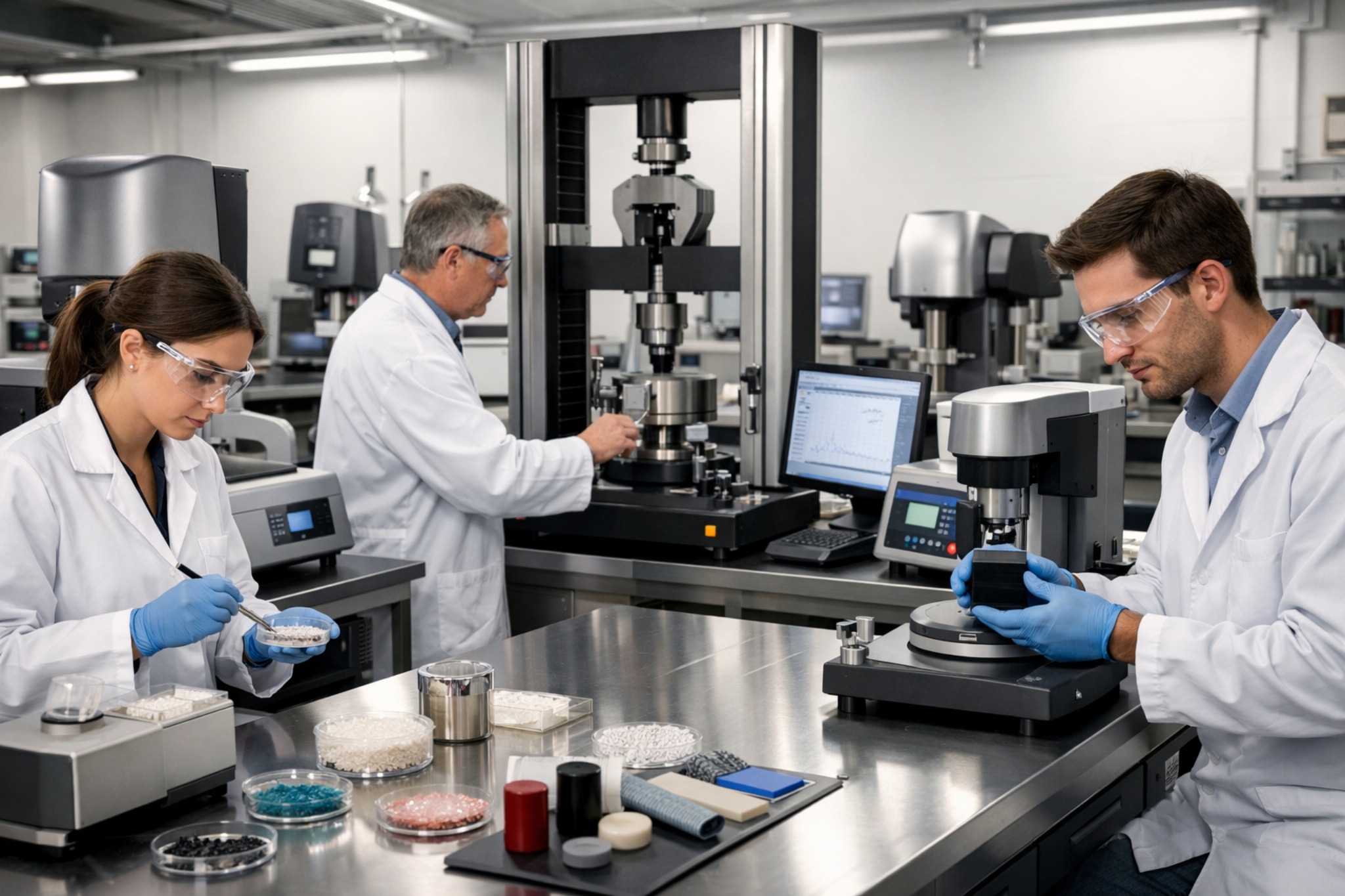
Integrated Validation Through Specialized Rubber Testing Facilities
Advanced polymer validation is further strengthened through collaboration with a rubber research lab, where material formulation and compound optimization are carried out. Final verification performed in a rubber testing lab confirms consistency, durability, and compliance with performance requirements. When insights from NVH testing, vehicle dynamics, polymer testing, and a polymer testing lab are aligned with validation from a rubber research lab and rubber testing lab, manufacturers achieve higher vehicle dynamics accuracy, reduced development risk, and consistently refined driving performance.
Also Read :