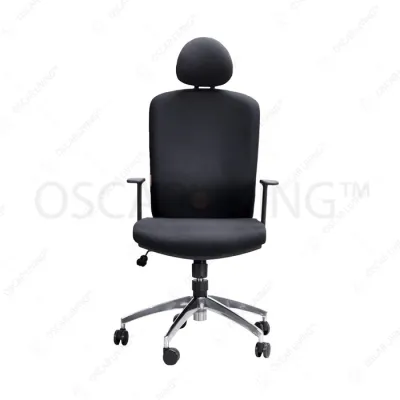
Mechanical vs. Synchro Tilt: Choosing the Right Office Chair Te
-
In today’s fast-paced office environment, comfort and productivity are more closely linked than ever. An ergonomic office chair is not just a luxury—it’s an investment in health, focus, and performance. Among the most critical features to consider when selecting a chair is its tilt mechanism. Two of the most popular technologies in office seating are mechanical tilt and synchro tilt. Understanding the differences between them can help you choose the right chair for your workspace.
Understanding Mechanical Tilt
Mechanical tilt is one of the earliest and most straightforward tilt systems used in office chairs. It allows the user to adjust the angle of the seat and backrest together using a single lever or control knob. With mechanical tilt, you can lock the chair in a specific reclined or upright position or keep it in a free-floating mode that responds to your movements.
Advantages of Mechanical Tilt
-
Simplicity and Reliability: The mechanical tilt mechanism is easy to operate and highly durable. Its straightforward design means fewer parts, which often translates to lower maintenance and a longer lifespan.
-
Customizable Recline: Users can choose a fixed recline angle, which is ideal for individuals who prefer stability while seated.
-
Cost-Effective: Mechanical tilt chairs generally cost less than synchro tilt chairs, making them suitable for organizations looking to furnish offices economically without sacrificing basic ergonomics.
Limitations of Mechanical Tilt
While mechanical tilt provides fundamental support, it doesn’t fully mimic the natural movement of the human body. In many cases, the seat and backrest move in unison, which can place pressure on the lower back and reduce comfort during prolonged use. This is particularly noticeable in high-productivity environments where staff spend eight hours or more seated.
Exploring Synchro Tilt
Synchro tilt is a more advanced seating technology designed to promote active sitting and maintain proper spinal alignment. Unlike mechanical tilt, synchro tilt coordinates the movement of the seat and backrest at a specific ratio—typically, the backrest reclines more than the seat. For example, when the backrest reclines by 100 degrees, the seat may tilt by only 30-40 degrees. This subtle difference ensures that the user’s feet remain grounded, supporting a healthier posture.
Advantages of Synchro Tilt
-
Enhanced Ergonomics: By maintaining proper alignment between the spine, hips, and knees, synchro tilt reduces strain on the lower back and encourages natural movement throughout the day.
-
Dynamic Sitting: The mechanism responds fluidly to shifts in weight and position, allowing for a more active seating experience. This helps reduce stiffness and fatigue during long working hours.
-
Custom Comfort: Many synchro tilt chairs come with tension adjustment and lockable positions, giving users precise control over the level of recline and support.
Limitations of Synchro Tilt
Synchro tilt mechanisms are generally more complex than mechanical tilt, which makes them slightly more expensive. Additionally, the adjustment may take some getting used to for individuals accustomed to simpler tilt systems. However, the long-term benefits to posture and comfort often outweigh these minor learning curves.
Choosing the Right Tilt Technology for Your Office
Selecting between mechanical and synchro tilt largely depends on the type of work, the duration of seating, and individual comfort preferences.
-
For Staff with Short-Term Desk Use: If your team spends only a few hours at a desk, mechanical tilt chairs like the Ergotec GA21PR Office Chair offer reliability, ease of use, and cost-effectiveness. With features like adjustable armrests, hydraulic seat height control, and a stable chrome frame, mechanical tilt chairs still provide substantial ergonomic support.
-
For Long Hours and Dynamic Work Environments: Employees who spend most of their day seated will benefit from the dynamic support of synchro tilt chairs. Chairs like the Ergotec 879S Staff Chair incorporate advanced synchro features along with high-quality mesh materials and nylon legs. These chairs encourage movement, reduce pressure points, and maintain optimal spinal alignment for sustained comfort.
-
Consider Aesthetics and Build Quality: While tilt mechanisms are critical, the overall design, material quality, and durability of the chair should not be overlooked. High-end ergonomic chairs combine luxury elements like chrome frames, mesh backrests, and HDT (Heavy Duty Tilting Control) systems to ensure both style and comfort.
Ergonomic Tips for Maximizing Chair Benefits
Regardless of whether you choose mechanical or synchro tilt, using your chair correctly is essential:
-
Adjust the Seat Height: Your feet should rest flat on the floor, with knees at roughly 90 degrees.
-
Support Your Back: Ensure that the lumbar support fits snugly into the curve of your lower back.
-
Position Armrests Properly: Armrests should support the elbows lightly without forcing the shoulders upward.
-
Move Frequently: Even with advanced tilt mechanisms, taking short breaks and stretching periodically prevents stiffness and promotes circulation.
Final Thoughts
Both mechanical and synchro tilt office chairs have their place in a productive workspace. Mechanical tilt offers simplicity, reliability, and affordability, making it suitable for many office setups. Synchro tilt, on the other hand, provides superior ergonomics and dynamic support for prolonged use, promoting comfort and long-term health benefits.
Investing in a high-quality chair, such as those offered by Ergotec, ensures that your staff can work comfortably, maintain focus, and stay productive throughout the day. With adjustable features, durable materials, and thoughtful design, choosing the right tilt technology becomes an essential step toward creating a healthier and more efficient workspace.
Ultimately, the decision comes down to your team’s needs, budget, and the amount of time spent seated each day. By understanding the differences between mechanical and synchro tilt, you can make an informed choice that maximizes both comfort and performance in your office.
-