
Categories
Tags
Archives
Finding the Right Kitchen Chairs with Wheels for Elderly People
-
As we age, our needs and preferences in home furnishings often shift to prioritize comfort, safety, and accessibility. One piece of furniture that can make a significant difference in the daily lives of elderly individuals is the kitchen chair. Specifically, kitchen chairs with wheels offer a blend of mobility and support that can greatly enhance both convenience and independence in the home. However, finding the right kitchen chair with wheels for an elderly person requires careful consideration of several factors to ensure it meets their specific needs.
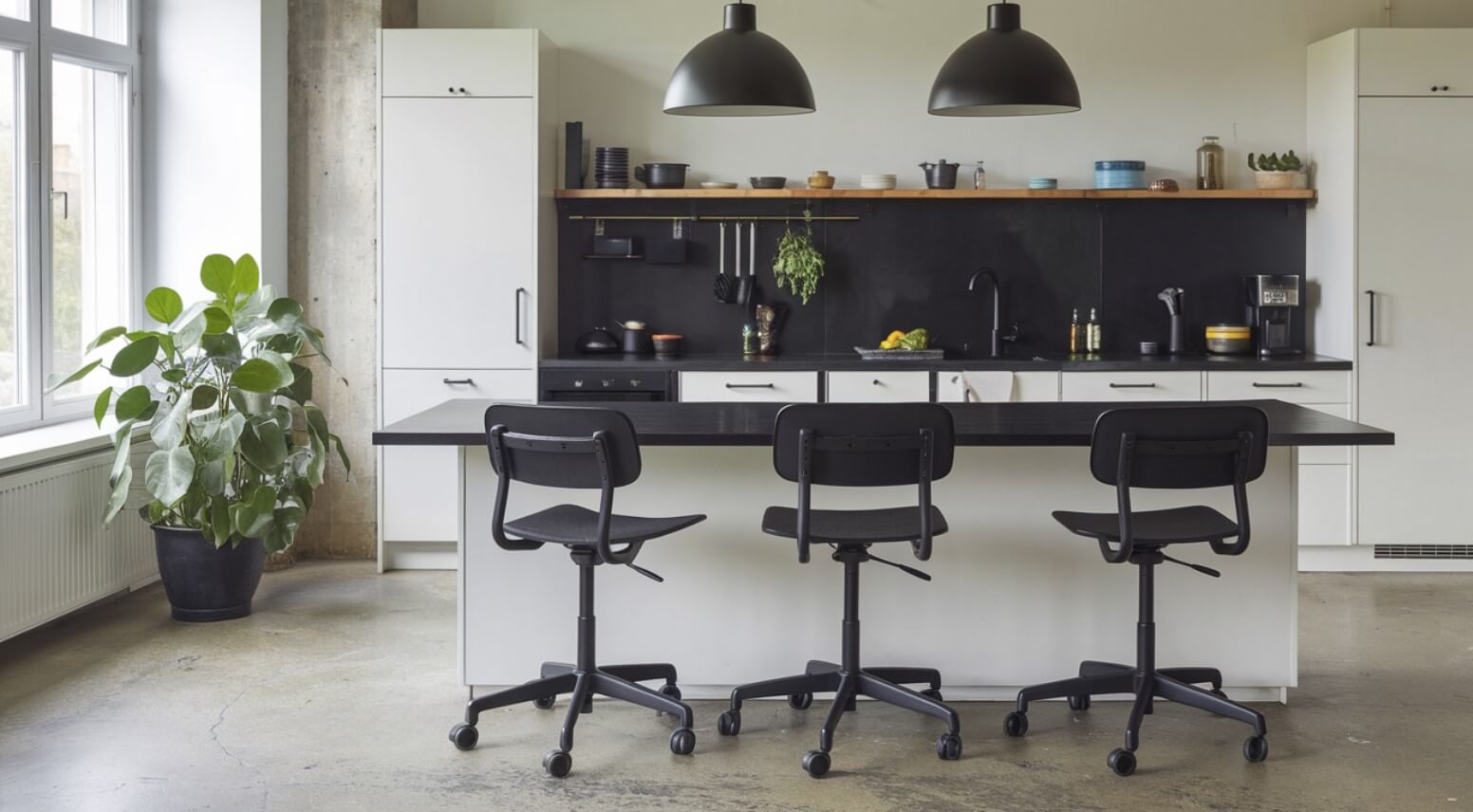
Stability - The Foundation of a Safe and Reliable Chair
First and foremost, stability is a key factor when selecting a kitchen chair with wheels for an elderly person. While the wheels provide the benefit of mobility, it’s crucial that the chair also has a secure locking mechanism to prevent unwanted movement when the user is seated. Chairs that are too lightweight may tip over easily, while those that are too heavy might be difficult for the user to maneuver. The ideal chair strikes a balance, offering enough weight for stability while remaining easy to move across the kitchen floor. The quality of the wheels themselves is important—they should roll smoothly on various surfaces, whether it’s tile, wood, or linoleum, and should be durable enough to withstand regular use. A very important feature of any kitchen chairs with wheels. Something you can read more about here.
When evaluating the stability of a kitchen chair, it’s important to consider the frame material. Metal frames tend to offer more stability than plastic ones, but they must also be lightweight enough for the user to manage easily. Some chairs feature a wider base, which can also enhance stability by lowering the center of gravity. Moreover, the design of the wheels should be such that they can lock securely in place without sliding or shifting, giving the elderly user confidence when sitting or standing up from the chair.
Finally, it’s important to consider how the chair interacts with the kitchen’s flooring. Some floors, like hardwood or tile, can be slippery, which could affect the chair’s stability when moving or when the wheels are locked. A chair with non-slip wheels or rubberized feet may provide extra safety. Testing the chair on the actual kitchen floor before making a purchase can help ensure that it won’t unexpectedly move or slide, reducing the risk of falls or accidents.
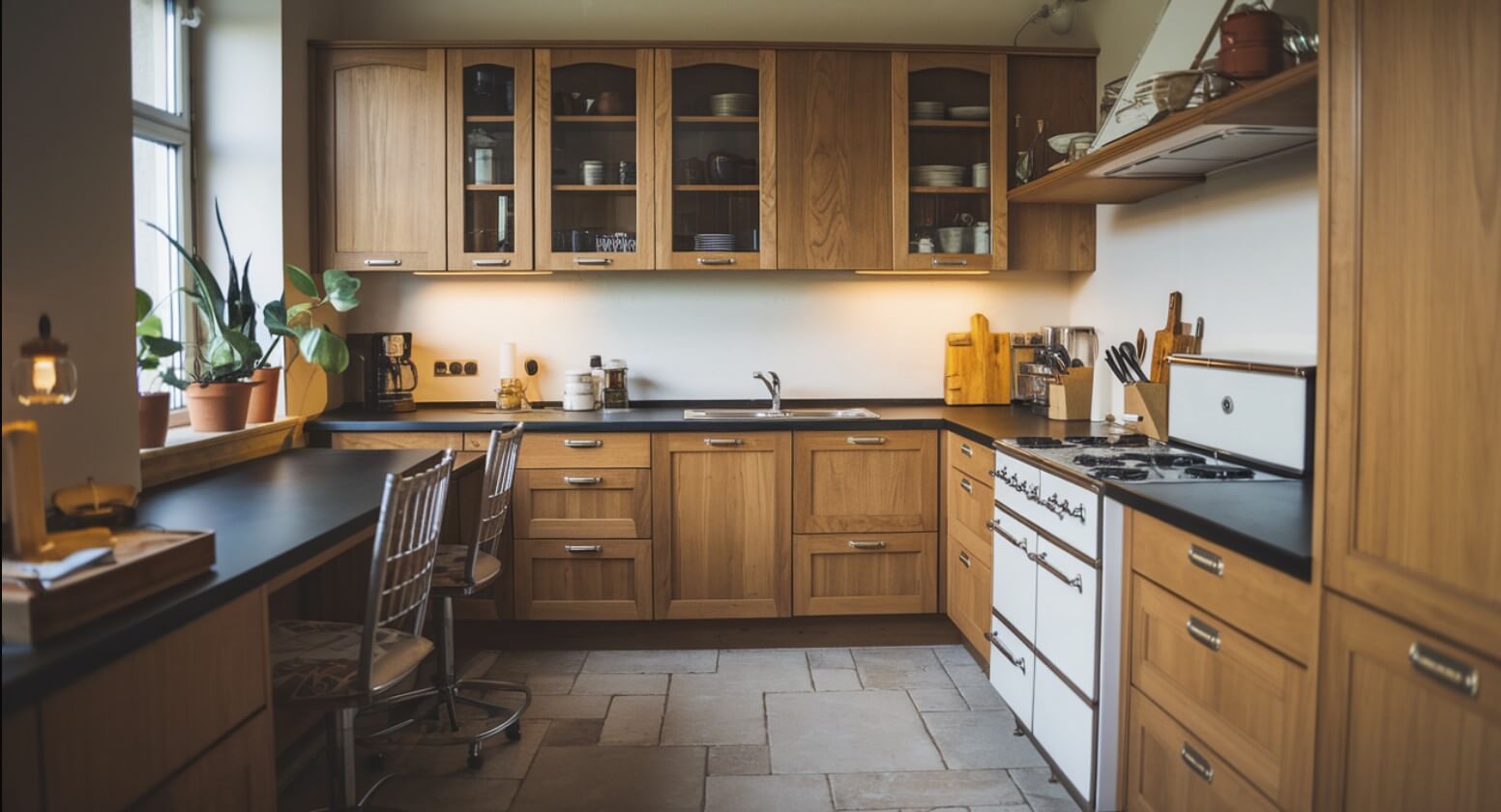
Comfort - Ensuring Long-Lasting Support and Ease
Another important consideration is comfort. Elderly individuals often spend more time seated, so it’s essential that their kitchen chair is designed with ergonomics in mind. Look for chairs with well-padded seats and backrests, which provide support and alleviate pressure points that could lead to discomfort over time. A chair that contours to the natural curves of the body can help maintain proper posture, reducing strain on the back and joints. High-density foam padding is often preferred for its durability and comfort, ensuring that the chair remains supportive even after prolonged use. This is especially important if you are also using it as a mobility chair.
Adjustable features, such as seat height and backrest angle, can also be beneficial, allowing the chair to be customized to the user’s body size and preferred seating position. This adjustability is particularly important for elderly individuals who may need to change their seating posture throughout the day to avoid stiffness or discomfort. A chair with an adjustable backrest can provide extra lumbar support, helping to prevent back pain and encouraging a more upright and comfortable posture.
Armrests are another feature to consider, as they offer additional support when sitting down or standing up, further enhancing the chair’s usability. Padded armrests can provide a comfortable place to rest the arms, reducing fatigue, and making it easier for the user to push themselves up out of the chair. For those with arthritis or limited strength, the right armrests can make a significant difference in daily comfort and independence.
Ease of Use - Simplicity and Functionality in Everyday Life
Ease of use is equally critical when choosing a kitchen chair with wheels for elderly people. The chair should be simple to operate, with easy-to-reach levers or buttons for adjusting height and locking the wheels. These controls should require minimal effort to engage, especially for individuals with limited hand strength or dexterity. A chair that is too complex or difficult to adjust can become frustrating to use, potentially discouraging the user from using it regularly. Therefore, simplicity in design is often key to ensuring that the chair enhances, rather than hinders, daily activities.
In addition to easy-to-use controls, the chair should also be easy to clean and maintain. Kitchens are environments where spills and messes are common, so the chair should be made of materials that resist stains and are easy to wipe down. Upholstery that is water-resistant or features removable covers can be particularly helpful in maintaining hygiene and extending the life of the chair. Regular cleaning should be straightforward, allowing the elderly user or their caregiver to keep the chair in good condition with minimal effort.
Mobility features should also be carefully considered. The wheels should be smooth-rolling and able to navigate various surfaces within the kitchen without difficulty. For elderly users, the ability to move the chair easily without having to lift or drag it can greatly enhance independence. However, it’s equally important that the wheels lock securely when needed to prevent accidental movement. This combination of mobility and security ensures that the chair can be used safely and effectively in the daily routine.
Aesthetic Appeal - Blending Functionality with Home Decor
Finally, the aesthetic appeal of the chair should not be overlooked. While functionality is paramount, it’s also important that the chair fits seamlessly into the kitchen’s overall design. Many kitchen chairs with wheels come in a variety of styles, materials, and colors, making it possible to find a chair that not only meets practical needs but also complements the existing decor. A well-designed chair that matches the kitchen’s aesthetic can contribute to a more inviting and cohesive environment, making the space more enjoyable for everyone.
When selecting a chair, consider the overall style of the kitchen. For a modern kitchen, a chair with sleek lines and neutral colors might be ideal, while a more traditional kitchen might benefit from a chair with classic detailing and warm, wooden tones. The chair should feel like a natural part of the space, rather than a medical device or an afterthought. By choosing a chair that integrates well with the kitchen’s design, the user can enjoy a sense of normalcy and pride in their home environment.
A mobility chair that looks good and feels good can boost the user’s mood and encourage more frequent use. An aesthetically pleasing chair can make the kitchen a more welcoming place, where the elderly individual feels comfortable spending time, whether they are cooking, eating, or simply enjoying a cup of tea. In this way, the right kitchen chair with wheels not only serves a practical function but also enhances the overall atmosphere of the home.
A Chair That Enhances Quality of Life
Finding the right kitchen chair with wheels for an elderly person involves more than just picking the first option available. It requires thoughtful consideration of factors such as stability, comfort, ease of use, and style to ensure the chair truly meets the user’s needs. By taking the time to evaluate these aspects, you can select a chair that not only enhances mobility and independence but also contributes to a higher quality of life in the home. A well-chosen chair can transform the kitchen into a space where the elderly feel empowered, safe, and comfortable, allowing them to continue enjoying their daily routines with ease and confidence.