Diet and Herbal Supplements for Reducing Inflammation Naturally
-
Posted by Freddy Jackson Filed in Health #Natural Ways to Shrink Hydrocele Fluid #Herbal Medicine for Hydrocele in Men #Organic Vitamins and Supplements Online UK 27 views
Inflammation affects how we feel every single day. You might notice it as aching joints, digestive discomfort, skin flare-ups, constant fatigue, or swelling that refuses to settle. I see many patients who want relief but feel uneasy about relying long-term on painkillers or anti-inflammatory drugs. That concern makes sense. While medication has its place, daily food choices and well-chosen herbal supplements can play a meaningful role in calming inflammation and supporting overall wellbeing.
This guide speaks directly to you as a patient, caregiver, or health-conscious reader who wants clear, practical advice. I focus on what actually helps, how to use it safely, and what to expect over time. You will not find exaggerated claims here. Instead, you will get grounded, evidence-aware guidance written in plain British English.
What inflammation really means for your body
Inflammation acts as a defence response. When you cut your finger or catch a virus, short-term inflammation supports healing. Problems arise when inflammation stays switched on for weeks, months, or even years. Chronic inflammation can affect joints, muscles, the gut, blood vessels, and organs.
You may live with low-grade inflammation without obvious symptoms at first. Over time, it often contributes to arthritis, metabolic issues, digestive disorders, skin conditions, and general pain. Lifestyle factors such as diet, stress, sleep, and movement strongly influence this process. The encouraging part is that these same factors also give you tools to calm inflammation naturally.
Why diet matters more than most people realise
Food sends chemical signals throughout your body. Some foods promote inflammatory activity, while others encourage balance and repair. You do not need extreme restriction or fashionable detox plans. You need consistency and smart choices.
An anti-inflammatory eating pattern focuses on whole foods, stable blood sugar, and adequate micronutrients. This approach supports your immune system without overstimulating it.
Foods that commonly increase inflammation
Reducing these does not mean perfection. It means awareness.
- Refined sugar and sugary drinks
- White bread, pastries, and ultra-processed snacks
- Deep-fried foods
- Excessive alcohol
- Processed meats
These foods can disrupt gut bacteria, spike insulin, and trigger inflammatory chemicals.
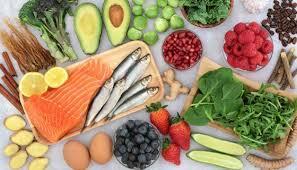
Foods that help calm inflammation
Adding the right foods often matters more than strict avoidance.
- Colourful vegetables such as spinach, broccoli, beetroot, and peppers
- Fruits rich in polyphenols, including berries and cherries
- Oily fish like sardines, mackerel, and salmon
- Extra virgin olive oil
- Nuts and seeds, especially walnuts, flaxseed, and chia
Aim to build meals around these foods rather than treating them as side options.
The role of gut health in inflammation
Your gut lining and gut bacteria influence immune reactions across your body. When gut balance suffers, inflammatory signals increase. Many people with joint pain, skin problems, or fatigue also experience bloating, reflux, or irregular bowel habits.
You can support gut health by:
- Eating fermented foods such as yoghurt with live cultures, kefir, sauerkraut, and miso
- Including fibre from vegetables, oats, lentils, and seeds
- Eating slowly and chewing properly
- Managing stress, which directly affects digestion
A calmer gut often means calmer inflammation overall.
Herbs that support a healthy inflammatory response
Herbal medicine has a long history, and modern research continues to examine how plant compounds interact with inflammatory pathways. Herbs work best when used consistently and as part of a wider lifestyle plan.
Turmeric
Turmeric contains curcumin, a compound studied for its effect on inflammatory markers. You absorb curcumin better when you combine it with black pepper and healthy fats. You can cook with turmeric regularly or use a standardised supplement if advised by a healthcare professional.
Ginger
Ginger supports digestion and helps reduce inflammatory chemicals involved in pain and swelling. Fresh ginger tea after meals works well for many people, especially those with joint stiffness or digestive discomfort.
Boswellia
Boswellia resin has traditional use for joint comfort. Research suggests it may help reduce stiffness and improve mobility in inflammatory joint conditions when taken regularly.
Green tea
Green tea contains catechins that support antioxidant defences. Drinking two to three cups daily can support overall inflammatory balance while providing gentle stimulation.
Anti-inflammatory supplements worth considering
Supplements can help fill nutritional gaps or provide concentrated plant compounds. Quality matters more than quantity. Always read labels carefully and choose reputable suppliers.
Omega-3 fatty acids
Omega-3 fats from fish oil or algae oil support joint comfort, heart health, and immune balance. Many people do not eat enough oily fish, so supplementation can help.
Magnesium
Magnesium supports muscle relaxation, nerve function, and sleep quality. Low levels often associate with inflammation and chronic pain.
Vitamin D
Vitamin D plays a role in immune regulation. Low levels commonly appear in people with inflammatory conditions, especially during winter months in the UK.
Curcumin extracts
Standardised curcumin supplements offer higher concentrations than cooking alone. These suit people dealing with ongoing joint or muscle inflammation.
Inflammation and men’s health concerns
Inflammation also plays a role in certain male reproductive and urological conditions. Swelling, fluid retention, and tissue irritation often involve inflammatory processes.
Some readers explore natural strategies for these concerns and may come across resources discussing Natural Ways to Shrink Hydrocele Fluid. Diet quality, antioxidant intake, and anti-inflammatory herbs often form part of broader supportive care discussions.
Others look into Herbal Medicine for Hydrocele in Men, where herbs that support circulation, lymphatic flow, and inflammatory balance feature alongside medical assessment.
While diet and supplements cannot replace proper diagnosis or surgical advice when required, they can support tissue health and recovery when used appropriately.
How inflammation links to chronic pain and mobility
Pain often reflects inflammatory signalling rather than tissue damage alone. This explains why pain can persist even after scans appear normal. By addressing inflammation through diet and herbs, many people notice gradual improvements in stiffness, morning pain, and energy levels.
Movement also plays a role. Gentle activity such as walking, stretching, swimming, or yoga encourages circulation and helps clear inflammatory by-products from tissues.
Building an anti-inflammatory daily routine
Consistency beats intensity. Small habits repeated daily produce the strongest results.
Morning
- Start with water to rehydrate tissues
- Eat a protein-rich breakfast with healthy fats
- Consider omega-3 or vitamin D supplements if appropriate
Midday
- Build meals around vegetables and whole grains
- Include olive oil or nuts
- Drink green tea or herbal tea
Evening
- Choose lighter meals to support digestion
- Use ginger or turmeric in cooking
- Prioritise sleep, which strongly affects inflammation
Safety matters with herbal supplements
Natural does not mean risk-free. Herbs and supplements can interact with medications or affect medical conditions.
Before starting supplements:
- Check current medications
- Start one product at a time
- Follow recommended doses
- Stop if you notice adverse effects
Pregnant women, people with autoimmune disease, and those preparing for surgery should always seek professional advice first.
Choosing quality supplements in the UK
Product quality varies widely. Look for supplements that list active ingredient amounts clearly and provide third-party testing information. Many people prefer trusted sources when buying Organic Vitamins and Supplements Online UK, especially when managing long-term health goals.
Avoid products making dramatic promises. Reliable supplements support the body rather than offering instant fixes.
How long before you notice results?
Dietary and herbal strategies work gradually. Some people notice digestive comfort or reduced stiffness within weeks. Others need two to three months of consistent changes.
Track simple markers such as:
- Morning stiffness
- Energy levels
- Digestive comfort
- Sleep quality
These signs often improve before pain fully settles.
Supporting inflammation through weight balance
Excess body fat produces inflammatory chemicals. Even modest weight reduction can reduce inflammatory load. Focus on nourishment rather than restriction. Balanced meals stabilise appetite and energy, making weight management more sustainable.
Stress and inflammation
Stress hormones influence immune activity. Chronic stress can keep inflammation active even with an excellent diet. Simple practices such as breathing exercises, time outdoors, and adequate rest help calm the nervous system.
You do not need lengthy meditation routines. Five minutes of slow breathing can lower stress signals and support inflammatory balance.
When to seek medical advice
Natural strategies support health, but they do not replace medical care. Seek professional help if you experience:
- Persistent swelling
- Unexplained weight loss
- Severe pain
- Fever or night sweats
- Sudden changes in symptoms
Combining medical assessment with supportive lifestyle measures often gives the best outcomes.
Key takeaways for daily life
- Inflammation responds to daily choices
- Whole foods calm inflammatory pathways
- Herbs support balance when used wisely
- Supplements work best as part of a wider plan
- Consistency matters more than perfection
You do not need to overhaul your life overnight. Start with one or two changes, build momentum, and adjust as your body responds.
Final thoughts
Reducing inflammation naturally involves respect for how the body responds to food, movement, rest, and plant compounds. You hold more influence over this process than you may realise. With steady effort, many people experience improved comfort, mobility, and quality of life.
If you treat diet and herbal supplements as long-term partners rather than quick solutions, you give your body the best chance to settle inflammation and support healing in a balanced, sustainable way.