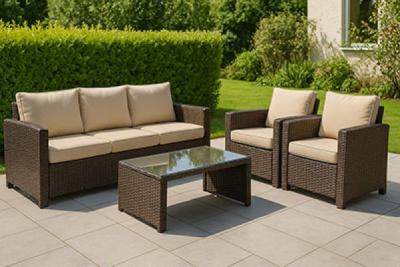
Do Outdoor Conditions Shorten the Lifespan of Rattan Sofas
-
Posted by Lucy Zheng Filed in Family & Home #Outdoor Rattan Set #rattan furniture #Rattan Garden Furniture #UK Home 32 views
Rattan sofas have become a familiar sight in UK gardens, patios, balconies, and conservatories. Their relaxed look and lightweight design make them a popular choice for outdoor living, especially as more households invest in garden furniture that can be used throughout the warmer months.
However, the UK’s climate is far from gentle. Frequent rain, high humidity, limited sunshine, and sudden temperature changes raise an important question: do outdoor conditions reduce the lifespan of rattan sofas, and how can you protect them?
The short answer is yes — exposure to the elements can shorten the lifespan of rattan furniture if it is not chosen carefully or maintained properly. That said, with the right materials and a few practical habits, a rattan sofa can remain attractive and functional for many years.
This article explores what actually affects rattan durability, how UK weather plays a role, and what you can realistically do to extend the life of your outdoor rattan sofa.
Understanding Rattan: Not All Materials Are the Same
One of the most common misunderstandings is assuming all rattan furniture behaves the same outdoors. In reality, material choice is the single most important factor in determining longevity.
Natural Rattan: Best for Indoors or Covered Spaces
Natural rattan is made from climbing palm vines and is valued for its organic texture and flexibility. It works beautifully in sunrooms, conservatories, or well-ventilated indoor spaces.
However, natural rattan is poorly suited to the UK outdoors. Persistent moisture can cause swelling, mould growth, and weakening of the fibres. Cold winters and damp conditions accelerate deterioration, while insects may also become an issue over time.
In short, natural rattan should only be used outdoors if the area is fully sheltered and dry — which is rarely guaranteed in the UK.
PE Rattan (Synthetic Rattan): Designed for British Weather
Most outdoor rattan sofas sold in the UK today are made from PE rattan, a synthetic polyethylene weave designed specifically for exterior use.
PE rattan is:
-
Water-resistant
-
UV-resistant
-
Flexible without becoming brittle
-
Resistant to mould and mildew
This makes it far better suited to British gardens, where rain can arrive unexpectedly and humidity remains high for much of the year. While it lacks the “warm” feel of natural rattan, its durability is the reason it has become the standard for outdoor rattan furniture.
Why the Frame Matters More Than You Think
The woven surface is only part of the structure. What sits underneath plays a major role in how well a rattan sofa holds up outdoors.
Aluminium Frames: Lightweight and Rust-Free
Aluminium frames are common in higher-quality outdoor rattan sofas. They are naturally rust-resistant and perform well in damp environments, making them suitable for coastal or high-humidity areas in the UK.
The trade-off is that aluminium is lighter and may feel less solid if the construction is poor. A well-designed aluminium frame, however, offers an excellent balance between durability and ease of movement.
Steel or Iron Frames: Strong but Weather-Sensitive
Steel and iron frames provide greater weight and stability, which many people prefer. However, they must be properly treated with powder coating or anti-rust finishes.
In the UK, where moisture is a constant factor, any exposed metal can eventually corrode. Once rust forms, it may spread beneath the rattan weave and weaken the structure without being immediately visible.
Weaving Quality: A Detail That Makes a Long-Term Difference
The weaving technique used in rattan sofas is often overlooked, but it has a direct impact on lifespan.
Tightly woven, evenly spaced rattan:
-
Distributes weight more effectively
-
Reduces strain on individual strands
-
Holds its shape over time
Loosely woven or uneven patterns may look acceptable at first, but they are more likely to sag, deform, or snap after repeated use — especially in fluctuating temperatures.
When choosing outdoor rattan furniture, consistency in the weave is often a better indicator of quality than thickness alone.
How UK Weather Affects Outdoor Rattan Sofas
The UK climate presents a unique combination of challenges:
-
Frequent rainfall increases moisture exposure
-
High humidity encourages mould on cushions
-
Limited but intense sunlight can cause gradual UV damage
-
Cold winters accelerate ageing of materials
While PE rattan is designed to cope with these conditions, it is not immune to long-term wear. Simple preventative care can significantly slow this process.
Practical Maintenance Tips for Outdoor Rattan Sofas
Limit Direct Sun Exposure
Despite being UV-resistant, prolonged exposure to direct sunlight can still fade rattan over time. Using a parasol, pergola, or positioning furniture near a wall or fence helps reduce unnecessary exposure.
If the sofa won’t be used for extended periods, a breathable waterproof cover is strongly recommended.
Clean Regularly, Gently
Dirt and debris can trap moisture against the rattan surface. Regular cleaning prevents buildup and keeps the weave flexible.
-
Use a soft brush or cloth for routine cleaning
-
Mild soap and water are sufficient for stains
-
Rinse thoroughly and allow to air dry
Avoid pressure washers or harsh cleaners, which can damage the protective surface of synthetic rattan.
Protect Cushions from Moisture
While PE rattan handles water well, cushions do not. Even “shower-resistant” cushions can develop mould if left damp for long periods.
In the UK, it is best practice to:
-
Bring cushions indoors overnight
-
Store them in a dry box during wet weather
-
Ensure they are fully dry before reuse
Avoid Overloading the Furniture
Rattan sofas are designed for seated use, not heavy concentrated loads. Standing, jumping, or placing heavy objects on armrests puts stress on individual strands and the frame beneath.
Even durable furniture benefits from sensible use.
Prepare for Winter
During colder months, outdoor furniture faces reduced use but increased risk. Frost, condensation, and temperature swings all contribute to material fatigue.
Ideally:
-
Store the sofa indoors or in a shed
-
If left outside, cover it securely
-
Ensure good airflow to prevent trapped moisture
Common Questions About Outdoor Rattan Sofas
Can rattan sofas stay outside all year in the UK?
PE rattan sofas can remain outdoors year-round, but doing so without protection will shorten their lifespan. Covers and winter storage significantly improve durability.
Does rain damage PE rattan?
Rain itself does not damage PE rattan, but prolonged damp conditions can affect cushions and metal frames if not properly protected.
How long should an outdoor rattan sofa last?
With good materials and regular care, a quality PE rattan sofa can last 5–10 years in the UK climate.
Is fading inevitable?
Some gradual fading may occur over time, particularly in lighter colours. Shading and reduced sun exposure slow this process considerably.
Can mould grow on rattan?
Synthetic rattan resists mould, but dirt and moisture trapped between strands can encourage growth. Regular cleaning prevents this.
Making Rattan Work Long-Term in UK Gardens
Outdoor rattan sofas are not fragile by default, but they are not maintenance-free either. Understanding the materials, respecting the limits of outdoor exposure, and adopting simple care routines make a noticeable difference over time.
In the UK, where weather conditions are unpredictable at best, choosing PE rattan with a suitable frame and maintaining it thoughtfully allows you to enjoy outdoor comfort without constant replacement. With realistic expectations and proper care, a rattan sofa can remain a reliable part of your garden setup for many seasons to come.
-