Why Rattan Furniture Wins So Many Homes
-
Posted by Lucy Zheng Filed in Family & Home #rattan wicker sofa sets #rattan furniture #outdoor sofa #garden sofa #egg chair 32 views
If you’ve ever tried to choose outdoor seating for a garden, terrace, or balcony, you’ll know the feeling:
metal looks cold, wood feels high-maintenance, fabric-only sets worry you when it rains — and suddenly, choosing a simple sofa turns into a headache.This is exactly where rattan sofas and chairs quietly win people over.
Across Europe and North America, rattan furniture has become a staple not because it’s trendy, but because it fits real life. Whether you’re furnishing a sunny patio, a cosy balcony, or even a reading corner indoors, rattan manages to look right, feel comfortable, and stay practical at the same time.
Let’s talk about why.
Rattan Furniture Feels Like It Belongs Anywhere
One of the first things people notice about rattan furniture is how easily it blends in.
Rattan — whether natural or synthetic — has a soft, organic look that doesn’t dominate a space. Instead of shouting for attention, it quietly complements its surroundings.
You’ll often see rattan sofas and chairs in:
-
modern gardens with neutral tones
-
Mediterranean-style terraces
-
coastal or seaside homes
-
boho or relaxed indoor spaces
-
tea rooms, sunrooms, and balconies
The woven texture adds visual warmth, making even small spaces feel more inviting. It’s the kind of furniture that makes a home look “lived in” rather than staged.
Comfort You Notice After Sitting for a While
Comfort isn’t just about cushions — it’s about how a chair supports you over time.
Rattan furniture is naturally breathable. Unlike solid wood, metal, or plastic seating, air can circulate through the woven structure. That means:
-
less heat buildup in summer
-
no sticky feeling when sitting for long periods
-
more comfort even without thick cushions
Add a seat cushion or a couple of pillows, and suddenly you have a sofa you can read on, nap on, or chat with friends on for hours.
This balance of structure and softness is one of rattan’s biggest strengths.
Surprisingly Durable for Everyday Life
Many people assume rattan furniture is fragile. In reality, it’s often the opposite.
Natural rattan has a slight elasticity, which helps it absorb weight without cracking or losing shape. Synthetic rattan (often PE rattan) takes durability even further.
Good-quality rattan furniture can be:
-
resistant to deformation
-
stable and supportive
-
suitable for frequent daily use
PE rattan, in particular, is designed for outdoor living. It handles sunlight, moisture, and temperature changes far better than many traditional materials.
That’s why you’ll see rattan sofas staying outdoors season after season, especially in gardens and poolside areas.
Indoor or Outdoor? You Don’t Have to Choose
One of the most practical things about rattan furniture is how flexible it is.
You can place it:
-
in the living room as a relaxed seating option
-
on a balcony as a mini lounge
-
in a garden or terrace for outdoor dining and relaxing
If it rains, you usually only need to bring the cushions inside. The furniture itself can stay put, especially if it’s made from synthetic rattan.
This flexibility makes rattan ideal for people who don’t want “special occasion” furniture, but something that works every day.
Easy Maintenance for Real Homes
Let’s be honest — furniture that looks great but demands constant care rarely lasts long in real life.
Rattan furniture is refreshingly low-maintenance:
-
dust can be removed with a dry cloth or soft brush
-
synthetic rattan can be rinsed with water
-
cushions are often removable for easy washing
Natural rattan benefits from occasional oiling, but it doesn’t require daily attention. Compared to solid wood or metal furniture, upkeep is simple and manageable.
That’s a big reason why busy households gravitate toward rattan.
How to Choose the Right Rattan Furniture for Your Space
Natural vs Synthetic Rattan
-
Natural rattan feels warm and authentic, ideal for indoor spaces or covered balconies.
-
Synthetic (PE) rattan is better for gardens, terraces, and poolside use due to its weather resistance.
Think about where the furniture will live most of the time before deciding.
Check the Weaving Quality
Good weaving should feel:
-
tight and even
-
smooth to the touch
-
free of sharp edges or loose ends
Loose weaving not only looks messy but also shortens the lifespan of the furniture.
Look at the Frame, Not Just the Surface
Underneath the rattan, there should be a solid support structure — usually steel or treated wood.
Give the furniture a gentle shake:
-
no wobbling
-
no creaking
-
armrests and backrests should feel firm
A strong frame makes all the difference in long-term comfort and safety.
Don’t Ignore Cushion Design
If you plan to use the sofa or chair often:
-
choose removable cushions
-
look for washable covers
-
make sure cushions fit the seating properly
Well-designed cushions turn a good rattan sofa into a great one.
Measure First, Buy Second
Rattan furniture often looks lighter than it actually is.
Before buying:
-
measure your space carefully
-
consider walking paths and door clearance
-
think about how many people will realistically use the seating
Proportion matters more than style when space is limited.
A Note on Safety and Environment
Good rattan furniture should be:
-
odor-free
-
free from harmful chemicals
-
finished with safe, water-based coatings
If something smells strong or chemical when unpacked, that’s a red flag. Furniture should make your home healthier, not compromise it.
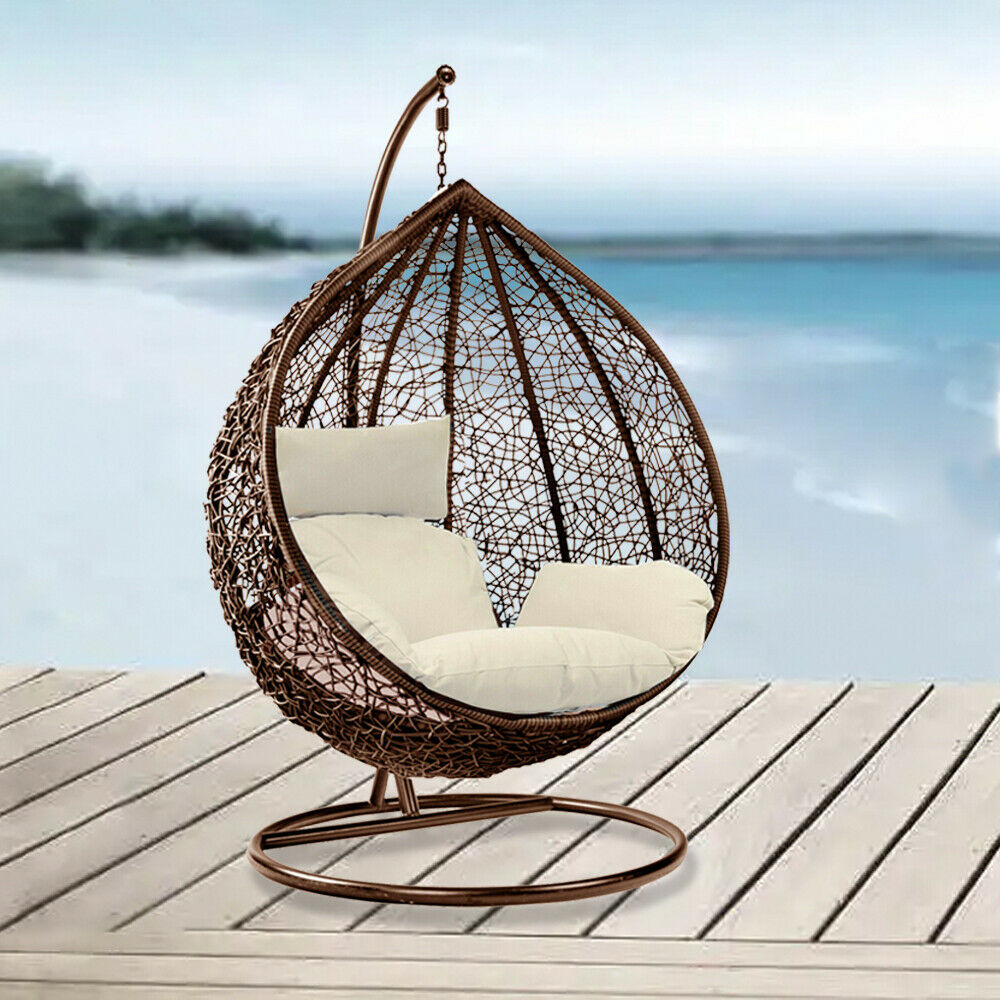
Why Egg Chairs Became So Popular
In recent years, rattan egg chairs have become especially popular — and it’s easy to see why.
They:
-
create a cosy, enclosed feeling
-
work indoors and outdoors
-
add a playful, modern touch to any space
Whether hanging in a garden or standing in a living room, an egg chair instantly signals relaxation. It’s less about function and more about creating a personal retreat.
Final Thoughts: Why Rattan Furniture Feels Like a Safe Choice
If you’re stuck choosing outdoor or leisure seating, rattan furniture often feels like the safest bet — and for good reason.
It’s:
-
visually versatile
-
genuinely comfortable
-
durable enough for daily life
-
easy to maintain
-
suitable for both indoor and outdoor spaces
Rather than chasing trends, rattan furniture quietly supports the way people actually live. And that’s why it continues to be a must-have in so many homes.
-