High-Quality IV Cannula for Safe Patient Care - GSTC
-
Posted by Garima Sharma Filed in Health #IV cannula #IV cannula exporters #iv cannula manufacturers 19 views
Introduction
One small device that is significant in saving lives in all hospitals or clinics is the IV cannula. An IV cannula can deliver fluids, medications, and emergency transfusions to a patient. It is one of those medical devices that seems simple but is extremely important in day-to-day care. To the healthcare professionals and to the procurement teams, choosing the right cannula matters. The quality products of reputed IV cannula manufacturers and IV cannula exporters are also safe, comfortable, and painless for patients of any age. This article is designed to help healthcare professionals gain for better understanding of IV cannulas, their applications, advantages, what they are, how they work, and why they are essential in medical practice.
What Is an IV Cannula?
An IV cannula is a small, flexible tube inserted into a vein with the help of a needle. Once the catheter is inside the vein, the needle is removed, leaving the tube in place. This tube allows medicines, fluids, or blood products to reach the bloodstream directly. An IV cannula helps doctors give treatment without repeatedly pricking the patient with a needle. It is widely used in emergency rooms, hospitals, surgical wards, and even in home care when IV therapy is required.
Sizes of IV Cannula
Available sizes of IV cannula are related to size, commonly described by the gauge
 system. This is the diameter of a cannula for IV, with lower gauge numbers meaning larger diameters. Choosing the right size is also one of the most important requirements that would guarantee proper treatment and patient comfort.
-
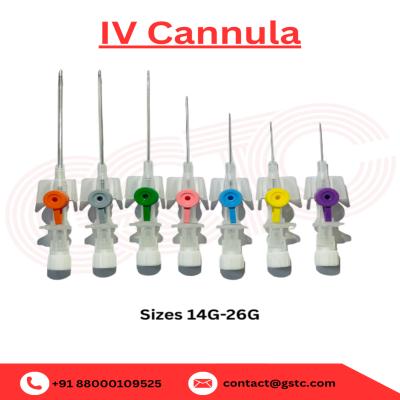
14G (Orange) – Used in trauma cases or when fluids need to be given very quickly.
-
16G (Grey) – Useful for surgery or rapid infusions.
-
18G (Green) – A common size for blood transfusions and general adult IV therapy.
-
20G (Pink) – The most widely used cannula for adults; comfortable and versatile.
-
22G (Blue) – Ideal for children, elderly patients, or those with narrow veins.
-
24G–26G (Yellow/Purple) – Used for newborns, infants, or patients needing delicate insertion.
Choosing the right size helps in managing flow rate and reduces discomfort.
Features of IV Cannula
-
Gauge Size
The size or gauge of the cannula is the key determinant of the fluid flow rate and type of IV.
-
Pointiguide Sharpness
A sharp, engineered cannula causes less pain at the time of insertion and produces less tissue trauma.
-
Flashback Chamber
It ensures that proper penetration of the vein is confirmed. It shows blood return immediately after the vein has been penetrated.
-
Safety Feature
Safety features, such as retractable needles or safety caps, reduce the likelihood that healthcare workers will experience a needle-stick injury.
-
Materials
The catheter material must be biocompatible and cause minimal irritation or allergic reaction.
Recommended Materials:
Polyurethane: More flexible and less prone to kinking.
Teflon (PTFE): Generally used for temporary cannulation because it is cheaper
-
Wings or Stabilisers
This improves patient comfort as well as reduces irritation at the entry site.
Conclusion
The IV cannula may look like a simple device, but it is truly a lifeline in modern healthcare. It helps deliver essential treatments quickly and safely, making patient care smoother and more effective. Choosing the right type, especially the IV cannula with a wing with port, improves comfort, reduces complications, and supports efficient workflow for medical staff. As one of India’s leading IV Cannula manufacturers and exporters, GST Corporation delivers high-quality, medically tested, and globally trusted solutions for healthcare professionals.
-