Understanding FAA Part 137 Certification for Agricultural Drone
-
Posted by Raptor Dynamic Filed in Business #Drones #Agricultural Drone #Agricultural drone technology #agricultural drones #Agriculture Drones Market 66 views
Operating a drone in agriculture isn’t just about learning how to fly—it’s about understanding the legal and safety framework that governs shared airspace. One of the most important components of that framework is the FAA Part 137 certification drone requirements. This certification outlines what is needed to legally use drones for spraying, seeding, and other agricultural applications in the United States.
FAA Part 137 Certification Considerations
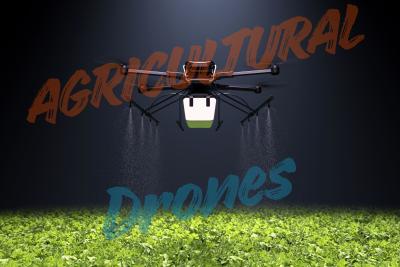
When a drone is used to apply fertilizers, pesticides, or other agricultural chemicals, it is regulated similarly to a traditional crop dusting aircraft. The FAA Part 137 certification drone requirements ensure that chemical application by drone is conducted safely, consistently, and responsibly.
Certification covers several factors, including:
-
The drone’s design, weight, and spray system
-
How the operator intends to use the aircraft
-
Safety, maintenance, and operational procedures
This process is far more than a regulatory formality. It protects the operator, the public, and the environment from risks such as sprayer malfunction, chemical leaks, or unsafe flight practices.
Once certified, operators gain the freedom to perform professional agricultural applications, work commercially, take on larger projects, and demonstrate compliance to clients, insurers, and regulators.
Eligibility Criteria
Before granting Part 137 approval, the FAA evaluates several key elements. The drone must have proper design and safety features, including stable sprayer systems and reliable flight controls. Operators must demonstrate understanding of safe operations, maintenance practices, and emergency procedures.
A major requirement is the Remote Pilot Certificate under Part 107. This ensures applicants already understand:
-
Airspace rules
-
Weather impacts
-
Flight operations
-
Safety regulations
Once these foundational requirements are met, operators can apply for Part 137, often with support from compliance professionals.
Pilot Training Facilitates the Process
Most operators don’t take on certification alone. Many facilities offer a structured agriculture drone pilot training course that walks pilots through every step. These programs teach:
-
Flight planning and route design
-
Spray system setup and maintenance
-
Chemical load management
-
Recordkeeping and paperwork for compliance
-
Handing real-world variables like wind, terrain, and nozzle adjustments
Hands-on training places operators in realistic field conditions, building confidence and competence long before certification flights begin.
Taking the Hassle Out of Certification
While the regulations may seem complex, the process is far more manageable with the right support. Many agricultural drone suppliers and service providers help operators meet FAA requirements by assisting with:
-
Documentation and application preparation
-
Hardware verification
-
Test-flight preparation
-
Compliance checks
For new operations, purchasing drones bundled with training and certification assistance is often the most cost-effective approach. It saves time, reduces errors, and removes the guesswork from regulatory compliance.
Conclusion
The future of agriculture depends on precision, safety, and technology that elevates field performance. Meeting FAA Part 137 certification drone requirements ensures aerial applications are conducted responsibly, while completing an agriculture drone pilot training course prepares operators to fly with confidence and professionalism.
Using drones in agriculture is more than following rules, it’s about strengthening the foundation of modern farming, improving outcomes, and supporting the next generation of precision agriculture.
-