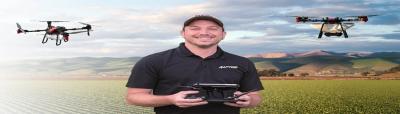
A 2025 Guide to Ag Drone Training
-
Posted by Raptor Dynamic Filed in Business #Agriculturedronepilottrainingcourse #VectorAGRHD580drone #VectorAGRHD580forsale #RTKprecisionagriculturedrone #XAGagriculturedealerUSA 106 views

Spray drones are reshaping how farms manage time, inputs, and terrain, but they’re not a simple plug-and-play. Operating one takes skill, awareness, and the right training.
A professional agriculture drone pilot training course is your first step toward flying safely, properly, and with confidence in the field.
Why Training Matters
Spray drones are a far cry from hobby drones. These machines carry heavy liquid payloads, follow precise GPS-based flight plans, and must operate within FAA or regional regulations. Operating them safely takes more than a good Wi-Fi signal and a few YouTube videos.
Training programs cover the full scope of drone operations. You’ll learn how to set up and calibrate your equipment, handle in-field emergencies, apply best practices for spraying, and use tools for real-time mapping and terrain tracking.
Choosing the Right Training: What to Expect
Whether you're brand new to drone tech or upgrading from manual spraying methods, reputable courses should cover:
-
FAA flight regulations and airspace safety
-
Drone components, setup, and field calibration
-
Route planning software and automated missions
-
Standard maintenance and repair guidelines
-
Spraying techniques for varied terrain and crop types
The goal is to ensure you’re not just flying safely, but using your equipment to its full potential.
The Power Behind Modern Spray Drones
Once you’re certified, you’re working with machines designed to handle what traditional sprayers can’t. These drones apply product evenly across uneven fields, avoid soil compaction, and deliver real-time performance data with every pass.
Their onboard systems adapt mid-flight, track application data, and minimize waste. Reaching tricky terrain is just the start, modern drones improve the way the whole farm operates.
Why the XAG P150 Stands Out
If you’ve read an XAG P150 review, you’ll know this drone is built for large-scale coverage. It’s fast, autonomous, and equipped with intelligent spray modes, obstacle sensing, and heavy-duty capacity for big jobs.
Farmers seeking efficiency and ease of use are turning to the P150 for its reliability and tech-forward design. In the hands of a trained pilot, it’s a serious upgrade to any spraying workflow.
The Case for the Vector AGR HD580
Another high-performing model gaining attention is the Vector HD580. With a large payload, rugged construction, and strong adaptability, it’s a fit for farms dealing with varied field conditions.
If you're exploring the Vector HD580, you'll likely compare specs like swath width, battery life, and control systems. This drone’s performance is amplified when paired with proper training, especially when navigating RTK flight paths or managing high-volume application zones.
Conclusion
A solid agriculture drone pilot training course is more than a requirement, it’s the foundation of success. With powerful platforms like the XAG P150 and the Vector HD580 becoming industry standards, trained operators are the key to unlocking their full value.
The demand for skilled drone pilots is only growing. Get certified today, and you’ll be ready to lead tomorrow’s farms with the tools, knowledge, and confidence to fly ahead of the curve.
-