Categories
Archives
Lithium Hydroxide: A Versatile Chemical Used in Many Industries
-
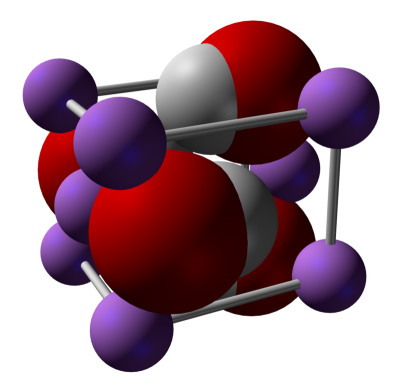
Lithium hydroxide (LiOH) is an inorganic compound that is highly soluble in water and ether. It exists as white crystalline powder or colorless crystals. LiOH dissociates in water to give lithium (Li+) and hydroxide (OH-) ions. Its empirical formula is LiOH and consists of one lithium cation bonded to one hydroxide anion. Lithium has an oxidation number of +1 while hydroxide has a oxidation number of -1. Lithium hydroxide has a melting point of 265°C and is hygroscopic, meaning it readily absorbs moisture from air.
Manufacturing
Commercially, lithium hydroxide is produced through two main routes - electrolysis of molten lithium chloride and reaction of lithium metal with water or steam. In the first process, a molten mixture of lithium chloride and potassium chloride is electrolyzed whereby lithium metal collects at the cathode and chlorine gas is produced at the anode. The molten lithium is exposed to steam to form lithium hydroxide. The second process involves spraying finely powdered lithium metal into a counter current of steam. The exothermic reaction between lithium and steam produces LiOH. It can also be prepared in the laboratory by passing steam over lithium metal.
Uses in Energy Storage
As the battery industry grows rapidly, lithium hydroxide finds increasing application as a precursor to manufacture cathodes for lithium-ion batteries. Almost all commercially produced lithium hydroxide is consumed for the production of lithium carbonate or lithium hydroxide monohydrate, both of which are used to manufacture lithium metal oxides such as lithium cobalt oxide (LiCoO2), lithium nickel manganese cobalt oxide (NMC) and lithium iron phosphate (LiFePO4) for lithium-ion batteries. Researchers are also exploring the possibility of using lithium hydroxide directly as solid polymer electrolyte or inorganic solid electrolyte in all-solid-state lithium batteries of the future.
Applications in Glass and Ceramics Industry
Lithium hydroxide serves as an important flux and accelerator in glass manufacturing. Along with sodium carbonate and potash, it is commonly used as a melting agent in glassmaking. The highly hygroscopic nature of lithium hydroxide helps reduce the melting point of glass. It also enhances chemical and thermal stability of glass. In ceramics technology, lithium hydroxide aids sintering and increases mechanical strength, electrical conductivity and corrosion resistance of ceramics. Specialty glasses and ceramics produced using lithium hydroxide include glass ceramics, low thermal expansion glass, petalite glass and lithium aluminosilicate glass.
Role in Nuclear Technology
In nuclear power plants, lithium hydroxide plays a critical role as a coolant. Being a strong base, it readily reacts with and absorbs gaseous and particulate fission products in the primary coolant circuit, thereby protecting equipment from radiation damage. It also helps maintain highly alkaline conditions needed for effective corrosion resistance of metallic surfaces inside nuclear reactors. Along with lithium aluminate or lithium zirconate, lithium hydroxide based ceramic mixtures are used as tritium breeder material in generation IV nuclear reactors and fusion experiments. The mixtures efficiently breed tritium, an important fuel for thermonuclear fusion, from lithium isotopes.
In the pharmaceutical industry, lithium hydroxide is approved by USFDA for treatment of bipolar disorder and other mental illnesses. As a mood stabilizing drug, it normalizes brain chemistry by increasing serotonin levels. Lithium hydroxide sequesters hydrated and semisolid forms of uric acid, making it useful for dissolving kidney stones composed predominantly of urate salts. Externally, it is used as an escharotic agent for treating skin lesions like warts through chemical cauterization. Its hygroscopic property led to historical use of lithium hydroxide mixtures for drying moist skin conditions.
Lithium Compound Production
Being the most stable lithium compound, lithium hydroxide serves as an important precursor in producing other industrially significant lithium salts and complexes. Key derivatives prepared from lithium hydroxide include lithium carbonate (Li2CO3) which is a versatile electrolyte for powering engines, lithium chloride (LiCl) with applications as a desiccant and in air conditioning, and lithium phosphate (Li3PO4) employed as a flux and fertilizer. Lithium complex salts like lithium nitrate (LiNO3), lithium bromide (LiBr), lithium fluoride (LiF) are also synthesized commercially from metathesis reactions involving lithium hydroxide as the starting material.
This covers the main properties, manufacturing process, and diverse applications of lithium hydroxide - a highly useful inorganic compound employed extensively across energy storage, nuclear technology, ceramics, pharmaceuticals, and chemical industries. With increasing global demand for lithium ion batteries, lithium hydroxide production is expected to grow substantially in the coming years. Ongoing research aims to develop better and more efficient processes for its manufacture on an industrial scale.Get More Insights On Lithium Hydroxide
Get this Report in Japanese Language
Get this Reports in korean Language
About Author:
Alice Mutum is a seasoned senior content editor at Coherent Market Insights, leveraging extensive expertise gained from her previous role as a content writer. With seven years in content development, Alice masterfully employs SEO best practices and cutting-edge digital marketing strategies to craft high-ranking, impactful content. As an editor, she meticulously ensures flawless grammar and punctuation, precise data accuracy, and perfect alignment with audience needs in every research report. Alice's dedication to excellence and her strategic approach to content make her an invaluable asset in the world of market insights.
(LinkedIn: www.linkedin.com/in/alice-mutum-3b247b137 )