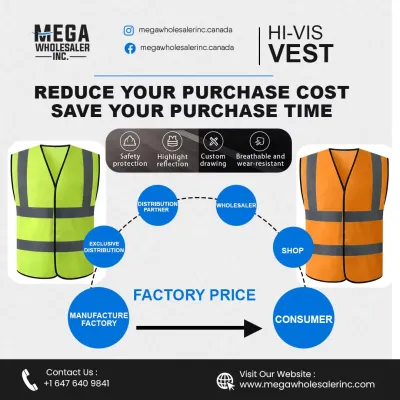
Essential Features of the Perfect Safety Vest
-
Safety vests are vital for ensuring visibility and protection in hazardous environments. Whether you're a construction worker, cyclist, or first responder, a well-designed safety vest can make all the difference in preventing accidents. However, not all safety vests are created equal. The perfect safety vest combines several essential features that ensure both visibility and comfort while meeting safety standards. In this article, we’ll explore the key features that make a safety vest truly effective.
1. High-Visibility Fabric
The primary function of any safety vest is to ensure that the wearer is visible, especially in environments with low light or high traffic. The fabric of the vest plays a huge role in achieving this visibility.
- Bright Colors: The best safety vests are made from fluorescent colors such as neon yellow, orange, or lime green. These colors stand out in daylight and help you be noticed from a distance.
- Reflective Tape: In low-light conditions, reflective tape is essential. These strips bounce light back toward the source, ensuring that the wearer is visible even at night or during foggy, rainy conditions. Look for vests with wide reflective bands that cover the torso and shoulders for maximum visibility.
2. Comfort and Breathability
A safety vest should be something you can wear comfortably for extended periods. Whether you're working on a construction site or cycling in the heat, comfort is crucial.
- Breathable Materials: Fabrics like mesh or lightweight polyester allow airflow, preventing overheating when working in hot conditions.
- Adjustable Fit: A vest with adjustable straps ensures a snug, secure fit. This feature is particularly important for those who need to wear the vest throughout the day, as it allows you to adjust the vest based on your clothing or the level of physical activity.
3. Durability
Safety vests need to be durable enough to withstand the rigors of daily work. Construction workers, road crews, or first responders often work in environments that involve heavy lifting, dirt, and exposure to the elements. Therefore, durability is a must.
- Strong, Tear-Resistant Fabric: A good safety vest will be made from durable materials like high-quality polyester or nylon, which resist wear and tear.
- Weather-Resistant Properties: Vests designed for outdoor work should also be able to handle different weather conditions. Some safety vests feature water-resistant coatings, which keep you dry when working in the rain or wet conditions.
4. Reflective Stripes for 360° Visibility
Reflective strips or panels are non-negotiable when it comes to safety vests. For optimal visibility, these strips should cover the vest in a way that maximizes your chances of being seen from all angles.
- Placement of Reflective Tape: Ensure the vest has reflective strips on the front, back, and sides. This placement ensures that regardless of your position—whether facing forward, sideways, or walking away from traffic—you will still be visible to oncoming vehicles or machinery.
- Width and Quality: The quality of the reflective tape matters. High-quality tape will be thicker and more visible from a greater distance. It should also maintain its reflective properties over time, even with repeated washing.
5. ANSI Certification
When selecting a safety vest, it’s essential to check for certification. The American National Standards Institute (ANSI) sets the standards for high-visibility clothing, ensuring it meets the minimum requirements for visibility and durability.
- Class 1: For areas with minimal traffic or lower-speed environments (e.g., parking lots or warehouses).
- Class 2: For environments with moderate traffic or moderate-speed traffic (e.g., roadwork areas or construction zones).
- Class 3: For high-speed, high-risk environments (e.g., highways or emergency responders working near traffic). These vests offer maximum visibility.
ANSI certification ensures that the vest meets safety regulations and will perform as expected in hazardous conditions.
6. Additional Features for Practical Use
Some safety vests come with extra features that make them more functional and convenient, particularly for people who need to carry tools or equipment during work.
- Pockets and Compartments: Many safety vests come with multiple pockets to store tools, radios, pens, or other essential items. This is especially useful for construction workers, security guards, or emergency responders who need quick access to their gear.
- MOLLE Webbing: Tactical vests often include MOLLE webbing, which allows the wearer to attach extra pouches or equipment for added convenience.
- ID Badge Holders: Some safety vests include holders for identification cards, making them ideal for security personnel or workers in regulated environments.
7. Weather Adaptability
Depending on your work environment, the perfect safety vest should be adaptable to different weather conditions.
- Insulated Vests: If you’re working in cold conditions, consider a safety vest with added insulation or one that can be worn over a jacket. These vests keep you warm while still maintaining visibility.
- Cooling Vests: In hot climates, some safety vests are designed with cooling properties. These vests are made with moisture-wicking fabrics and even feature cooling gel or ventilation systems to help keep the body temperature regulated.
8. Ease of Use
A safety vest should be easy to put on and take off, especially for those who need to wear them frequently or in an emergency. Look for vests with simple closures like hook-and-loop fasteners, zippers, or easy-to-adjust straps that don’t take too long to manage.
9. Lightweight Design
While durability is key, a safety vest shouldn’t be overly heavy or bulky. The perfect vest strikes a balance between offering protection and maintaining a lightweight design, ensuring that the wearer can move freely without being weighed down.
10. Cost and Value
Price matters when selecting a safety vest, but it’s important to view it as an investment in your safety. High-quality vests may cost a little more upfront, but their durability and comfort make them a better choice in the long run.
Look for vests that offer the best value for your needs. Some vests may be more affordable but sacrifice essential features like reflective tape, durability, or comfort. Finding the right balance of quality and price is crucial for both personal safety and long-term investment. Many wholesale suppliers offer customization to their clients.
Conclusion
The perfect safety vest goes beyond just being visible. It should be comfortable, durable, and built to withstand tough conditions. By ensuring that your vest includes high-visibility fabric, reflective strips, breathability, and key features like durability and weather adaptability, you can ensure maximum protection and comfort. Whether you’re a construction worker, a cyclist, or a first responder, choosing the right safety vest with the essential features will help keep you visible and safe in any environment.
FAQs
How do I choose the right size for my safety vest?
Safety vests typically come in various sizes. Check the sizing chart to ensure a good fit. Vests should fit comfortably but not too tight, with adjustable straps for a secure fit.
Can I wear a safety vest over a jacket?
Yes, many safety vests are designed to be worn over jackets or other outerwear, especially during cold weather.
Are reflective safety vests waterproof?
Not all reflective vests are waterproof, but some are water-resistant or made with moisture-wicking materials to help keep you dry in light rain.
Can I use a safety vest for cycling?
Yes, safety vests are highly recommended for cyclists, especially during low-light conditions, to improve visibility and reduce the risk of accidents.
How long do safety vests last?
A safety vest’s lifespan depends on the material and how frequently it is used. On average, you should replace your vest every 1-2 years or sooner if it becomes damaged or the reflective elements wear out.