Categories
Tags
-
#photo booth
#kraft containers
#oven cleaning
#mid century modern drawer pulls
#mid century cabinet pulls
#mid century drawer pulls
#Modern Cabinet Pulls
#Cabinet Pulls
#Modern Cabinet Hardware
#Cabinet Hardware
#Washing Powder
#wedding dj
#Bathroom Vanity Organizer
#Bathroom Organizer
#countertop organizer
#Vending Machines
#Sweet Treats Vending Machines
#carpal aid patch
#carpal aid
#hand patch
#migraine aid
#migraine pain
#carpal tunnel syndrome
#Is Carpal Tunnel Genetic
#carpal tunnel
#Non-Bio Washing Powder
#Carpet Rug
#Shaggy Carpet Rug
#Shaggy Rug
#Disposable Container
#wine glasses
#Bento Lunch Box
#Oven Cleaning Products
Archives
How Pain Relievers and Wrist Patches Help With Carpal Tunnel
-
Carpal tunnel pain can sneak up on you—from light tingling to burning pain that keeps you awake at night. It’s especially common in people who type, text, lift, or use their hands repeatedly throughout the day. For many, the first instinct is to grab over-the-counter pain relievers. But are they the best option? Or is there a better, more targeted way to manage wrist pain?
In this article, we’ll look at how traditional medications compare with new solutions like wrist patches—and why more people are switching to a natural, drug-free approach for long-lasting comfort.
The Role of Traditional Pain Relievers
Over-the-counter pain relievers like ibuprofen or acetaminophen are often the first thing people reach for when wrist pain hits. These medications work by reducing inflammation and blocking pain signals, providing temporary relief.
However, they have limitations:
-
Short-lived effects – You may need to take multiple doses throughout the day.
-
Systemic impact – These drugs affect your entire body, not just your wrist.
-
Side effects – Long-term use can lead to stomach irritation, ulcers, or liver problems.
That’s why alternative solutions like patches are becoming more popular.
What Is a Wrist Pain Relief Patch?
A wrist pain relief patch is a small, adhesive product applied directly to the painful area. These patches are designed to deliver localized support, often using drug-free techniques or natural ingredients.
Unlike oral pain medications that affect the whole body, patches focus on targeted relief—helping reduce pain exactly where it hurts, with fewer risks and less hassle.
Why a Pain Patch for the Wrist Is a Smart Choice
Using a pain patch for wrist provides many benefits over pills or creams:
-
Localized relief – Patches work exactly where you apply them.
-
Discreet wear – Thin, breathable designs allow all-day comfort.
-
No mess or residue – Unlike lotions or gels.
-
Drug-free options available – Ideal for people who want to avoid medication.
This makes pain patches especially useful for conditions like carpal tunnel syndrome, repetitive strain injuries, and overuse discomfort.
The Carpal Aid Patch: Natural Wrist Relief Without Drugs
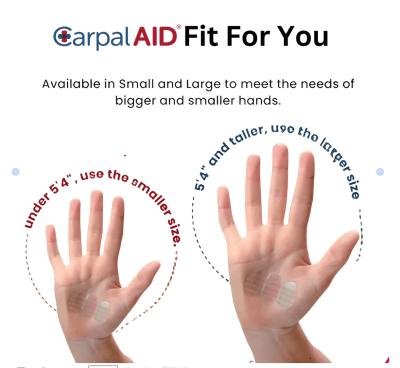
One of the most effective, non-invasive products available today is the Carpal Aid Patch. Unlike traditional pain relievers or menthol-based patches, this innovative product works by gently lifting the skin on your wrist, reducing pressure on the median nerve.
It’s:
-
Drug-free
-
Latex-free
-
Hypoallergenic
-
Comfortable enough to wear all day or night
For those dealing with persistent wrist pain or early signs of carpal tunnel, this patch provides a unique, safe option without the risks associated with oral medications.
When to Consider a Pain Patch Over Medication
If you’re experiencing any of the following symptoms, it might be time to try a wrist patch instead of relying solely on pills:
-
Numbness or tingling in the fingers
-
Burning pain in the palm or wrist
-
Weak grip or difficulty holding objects
-
Pain that worsens at night or after repetitive tasks
Using a patch like Carpal Aid allows you to address the root of the issue—nerve pressure—without masking symptoms or dealing with unpleasant side effects.
Can You Combine Both for Better Results?
Absolutely. In some cases, combining oral medications and a patch during flare-ups may provide the best short-term results. You can take a fast-acting medication to manage immediate discomfort and wear the patch during the day to provide ongoing support.
You should also consider:
-
Stretching and wrist mobility exercises
-
Wearing a brace at night
-
Modifying repetitive tasks or using ergonomic tools
-
Taking frequent breaks from computer use or manual work
These strategies, when paired with a topical patch, can help reduce your symptoms naturally and support long-term recovery.
Final Thoughts
Whether you’re dealing with carpal tunnel syndrome or general wrist fatigue, you don’t have to suffer in silence. While oral medication may provide temporary relief, drug-free options like a patch are changing the game by offering comfort exactly where you need it.
This targeted approach is constructive for anyone who wants to avoid pills or chemicals while managing pain effectively. And if you’re looking for a proven solution, the Carpal Aid Patch offers a modern, effective way to manage wrist discomfort—naturally and easily.
-