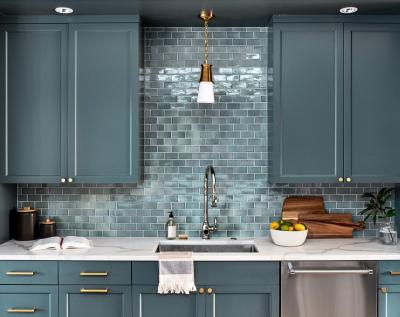
Subway tiles, with their classic rectangular shape and clean lines, have become a staple in kitchen design, offering both timeless appeal and versatile functionality. Originating from the early 20th century, these tiles were first popularized in New York City’s subway stations, and their enduring style has made them a favorite in contemporary kitchens around the world.
Aesthetic Appeal:
Subway tiles are renowned for their simple, yet sophisticated look. Typically measuring 3x6 inches, these tiles are arranged in a brick-like pattern that creates a uniform and polished appearance. Their glossy finish reflects light, brightening up kitchen spaces and enhancing the overall ambiance. Available in a range of colors—from classic white to bold hues like navy blue or emerald green—subway tiles can be adapted to suit any kitchen decor, whether you’re aiming for a minimalist modern look or a vibrant, eclectic design.
Versatility and Design Options:
One of the greatest advantages of subway tiles is their versatility. They can be installed in various patterns to achieve different looks. The most common installation pattern is the running bond or brick pattern, where tiles are offset in each row. However, other patterns such as herringbone, vertical stack, or diagonal can add a unique twist to traditional subway tile layouts. Additionally, subway tiles come in a variety of finishes, including matte, glossy, and textured, allowing you to tailor the look to your specific design vision.
Functionality and Durability:
Subway tiles are not only stylish but also practical. Their smooth, non-porous surface makes them highly resistant to moisture and stains, making them an ideal choice for kitchen backsplashes and countertops. They are easy to clean, which is a significant benefit in the kitchen where spills and splashes are common. Simply wipe them down with a mild detergent to keep them looking pristine.
The durability of subway tiles is another key factor in their popularity. Made from materials such as ceramic, porcelain, or glass, subway tiles are built to withstand the rigors of everyday use. Porcelain tiles, in particular, are known for their toughness and resistance to wear and tear, making them a long-lasting option for high-traffic areas.
Complementary Design Elements:
Subway tiles can be paired with a range of design elements to enhance their visual impact. For a classic look, combine them with sleek, modern cabinetry and stainless steel appliances. To create a more rustic or farmhouse-inspired kitchen, pair subway tiles with wooden cabinetry and vintage fixtures. They also work well with various countertop materials, including marble, granite, and quartz, allowing for a seamless integration into different design schemes.
Installation and Maintenance:
Installing subway tiles is a straightforward process, often manageable for DIY enthusiasts with some tiling experience. The tiles are typically installed with standard thin-set mortar and grout, and they can be cut to fit around corners and edges as needed. Maintenance is minimal, requiring regular cleaning to maintain their shine and luster. It’s important to keep grout lines sealed to prevent staining and to ensure the longevity of the installation.
In summary, subway tiles offer a perfect blend of aesthetic charm and practical benefits for kitchen design. Their classic look, coupled with their versatility and durability, makes them an enduring choice that can adapt to various styles and preferences. Whether you’re renovating an existing kitchen or designing a new one, incorporating subway tiles can add a touch of timeless elegance and functionality to your space