Categories
Tags
-
#Used semi trucks
#Material Handling Equipment
#semi truck
#semi trucks
#r and d tax credit for dentists
#off campus housing by utah valley university
#apartments in provo utah
#Auto industry technology
#mazda demo sale
#apartment in provo
#rexburg student housing
#best investment properties
#solar module distributor
#student apartments in denton
#roof coating companies in salt lake city
#couples student housing rexburg
#truck dealership near me
#mono perc pv modules
#fcra compliance
#sponsorship control
#sponsor management device
#background check for employment
#used semi truck for sale
#Trina Solar energy panels
#Commercial Truck Sales
#order office printer anchorage ak
#pump blower
#Employee testing Jackson MS
#patient communication solutions
Archives
Pump Blowers 101: The Basics
-
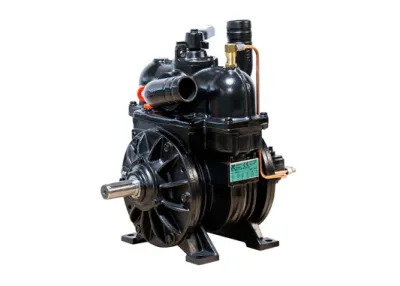
Industrial vacuum systems rely on a lot of moving parts—literally. One of the most important, yet least understood, is the pump blower. These machines are designed to move air or gas, create pressure differentials, and help with everything from pneumatic conveying to dust control.
When a system starts losing efficiency or sounding a little off, the blower is often worth a closer look. Here’s what you need to know about what pump blowers do, the types you’ll encounter, and how to troubleshoot the most common problems.
What Pump Blowers Actually Do
A pump blower helps keep air moving in a vacuum or pneumatic system. Unlike a vacuum pump, which removes air to create suction, a blower pushes air at low to moderate pressure—creating airflow that can help carry materials, ventilate a workspace, or maintain balance in a pressurized line.
In many applications, it’s the blower that gives a vacuum system its steady performance. No big pressure spikes or complex timing—just a consistent push or pull of air to keep everything flowing.
Types of Blowers
Blowers come in a few key varieties, each with strengths depending on the job:
- Rotary Lobe Blowers. These use two lobed rotors to trap and move air in a continuous, pulse-free stream. Common in wastewater, bulk material handling, and vacuum truck systems.
- Centrifugal Blowers. Built around a fast-spinning impeller, centrifugal blowers accelerate air outward. They move large volumes at low pressure and are often used for cooling, dust collection, and general ventilation.
- Regenerative Blowers. Also called side-channel blowers, these create a high-speed vortex for lower-pressure applications. You’ll find them in cleanrooms, lab setups, or systems that require quiet, continuous airflow.
Choosing the right blower means looking at your required flow rate, pressure, operating environment, and whether the system needs to push, pull, or do a bit of both.
Common Issues and Fixes
Blowers don’t just fail out of the blue—there are usually warning signs. Here’s what to watch for:
- Drop in Pressure or Flow. Could mean a clogged intake, a failing rotor, or blocked ductwork. Always check for simple obstructions before digging deeper.
- Unusual Noise. Grinding, knocking, or whining noises might point to worn bearings, shaft misalignment, or foreign debris inside the housing.
- Overheating. Blowers run hot by design, but excessive heat may signal airflow restriction, over speeding, or poor ventilation.
- Vibration. Excessive shaking can wear components quickly. Causes range from imbalanced impellers to loose mounting hardware or failing dampers.
Blowers are mechanical devices—they need regular inspection, lubrication, and cleaning. Keep filters fresh, monitor operating conditions, and don’t ignore changes in sound or performance.
Understanding how your blower works—and how to tell when something’s off—can make a big difference in system reliability. Whether it’s a small regenerative blower or a heavy-duty rotary lobe model, keeping this component in good shape helps the rest of the system do its job.